When Do You Need Robotic Joint Replacement Surgery?
Joint pain can gradually affect your ability to walk, climb stairs, work, exercise, and perform everyday activities. While medications, physiotherapy, lifestyle changes, and other non-surgical treatments may help many patients, some people continue to experience severe pain and limited mobility despite conservative treatment.
Robotic joint replacement surgery is an advanced treatment option for selected patients with significant joint damage, particularly those with severe knee or hip arthritis and other conditions affecting joint function.
If you are experiencing persistent symptoms or your daily activities are becoming increasingly difficult, consulting an experienced robotic joint replacement surgeon in Pune can help determine whether surgery is appropriate for your condition.
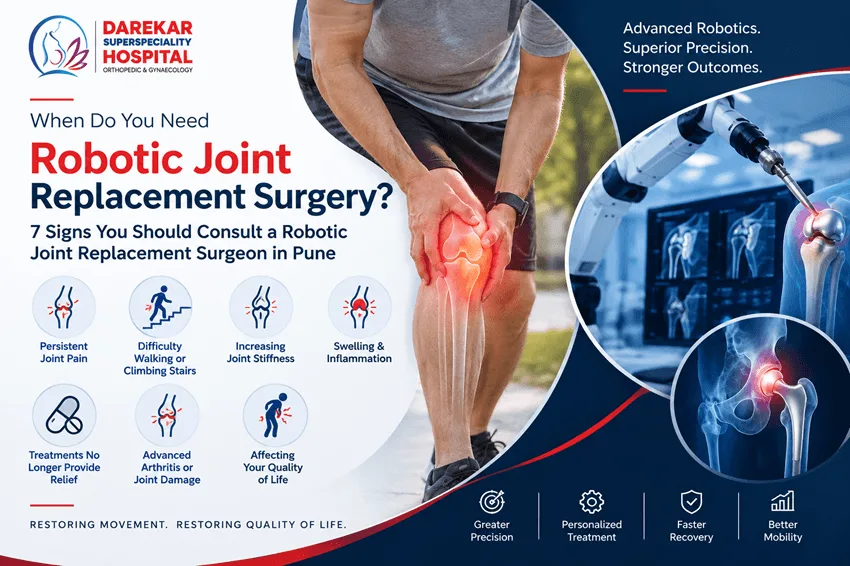
7 Signs You Should Consult a Robotic Joint Replacement Surgeon
1. Persistent Joint Pain
Pain that continues for weeks or months despite medication, physiotherapy, or other conservative treatments should not be ignored.
Persistent knee or hip pain may indicate progressive joint damage. If pain is affecting your ability to walk, sleep, work, or perform everyday activities, a specialist evaluation may be recommended.
2. Difficulty Walking or Climbing Stairs
If walking short distances, climbing stairs, standing for long periods, or getting up from a chair has become difficult because of joint pain, it may indicate significant joint degeneration.
A detailed orthopedic assessment can help determine the underlying cause and appropriate treatment options.
3. Increasing Joint Stiffness
Severe stiffness can make it difficult to bend or straighten the knee or move the hip comfortably.
When stiffness progressively limits your range of motion and affects daily activities, an orthopedic consultation can help assess whether joint replacement may be required.
4. Swelling and Inflammation That Keeps Returning
Repeated swelling, tenderness, and inflammation around the knee or hip may be associated with arthritis or other joint conditions.
If these symptoms continue despite treatment, your doctor may recommend imaging and other investigations to understand the extent of joint damage.
5. Non-Surgical Treatments Are No Longer Providing Relief
Many patients initially manage joint problems with medicines, physiotherapy, injections, weight management, and activity modification.
However, when these approaches no longer provide sufficient relief and pain continues to interfere with daily life, your orthopedic surgeon may discuss surgical options, including joint replacement.
6. Advanced Arthritis or Significant Joint Damage
Severe osteoarthritis, joint degeneration, previous injury, or other conditions can cause substantial damage to the knee or hip joint.
When the joint becomes severely damaged and conservative treatment is no longer effective, joint replacement may be considered after a detailed evaluation.
7. Joint Pain Is Affecting Your Quality of Life
One of the important signs is when joint pain starts controlling your everyday life.
If you are avoiding walking, social activities, exercise, travel, or routine tasks because of pain or limited mobility, it is worth consulting an orthopedic joint replacement specialist to understand your treatment options.
What Is Robotic Joint Replacement Surgery?
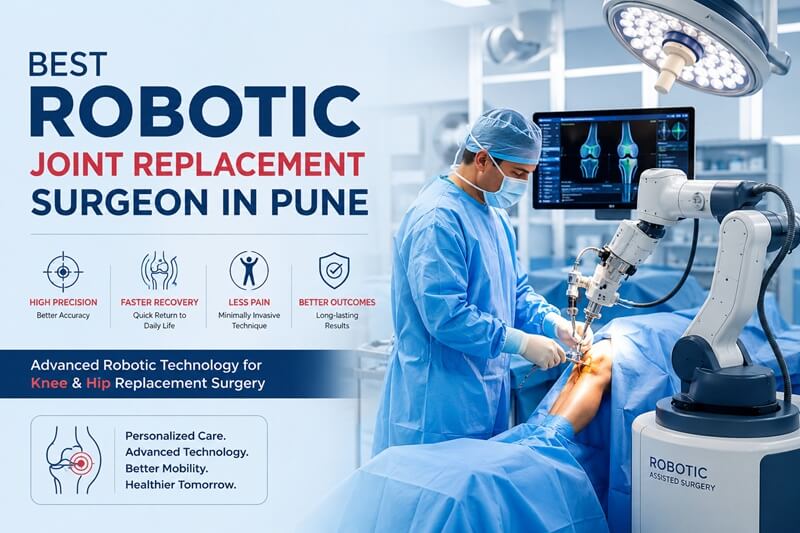
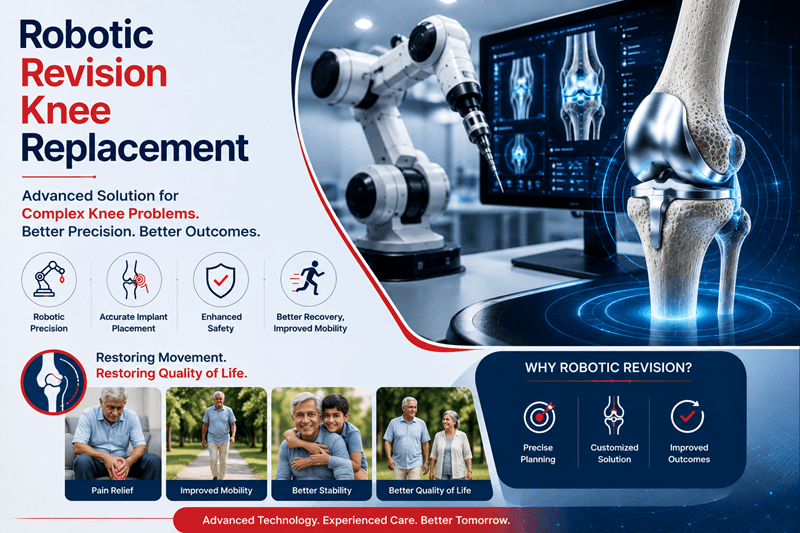
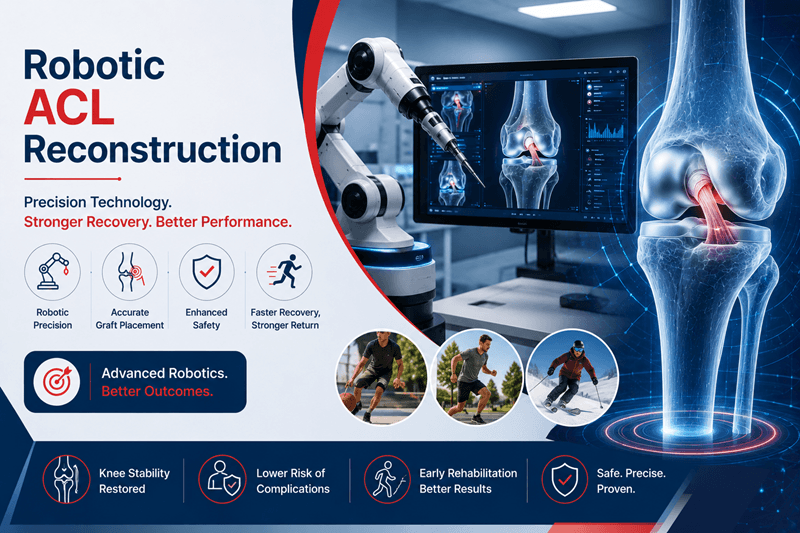
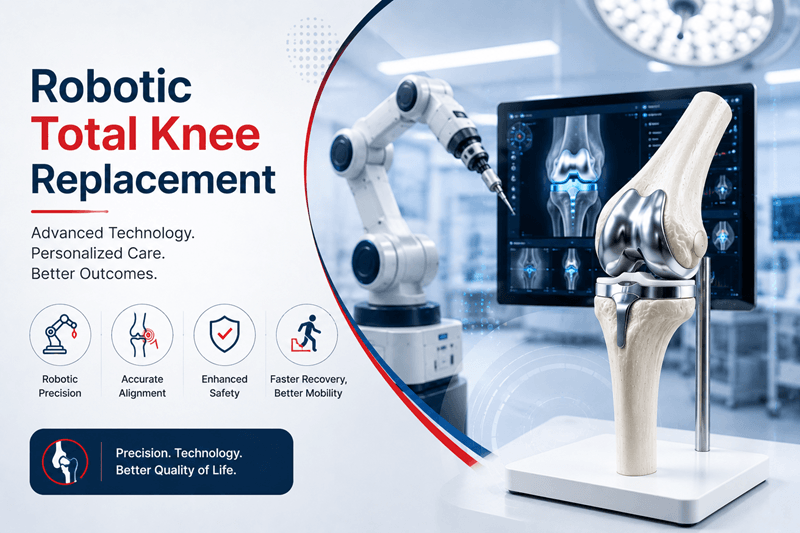
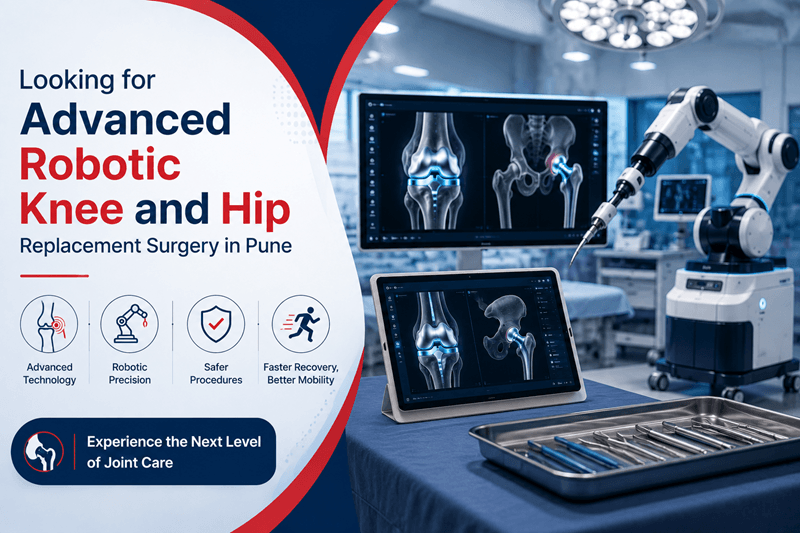
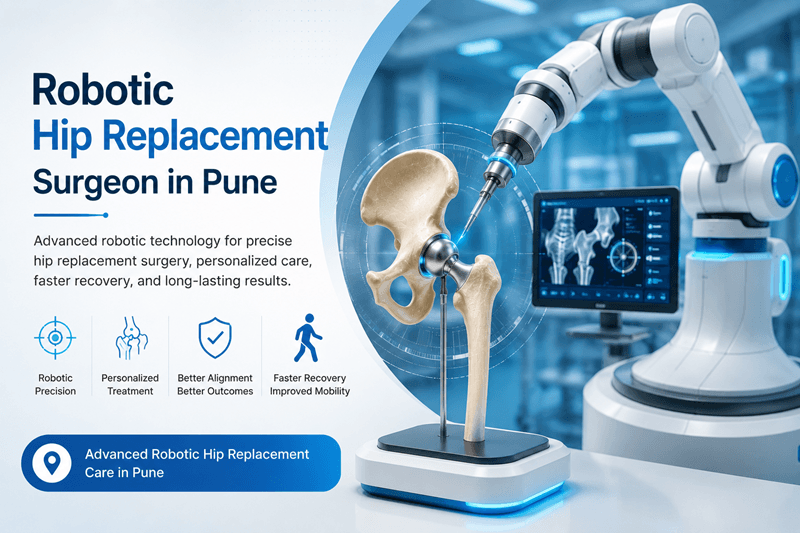
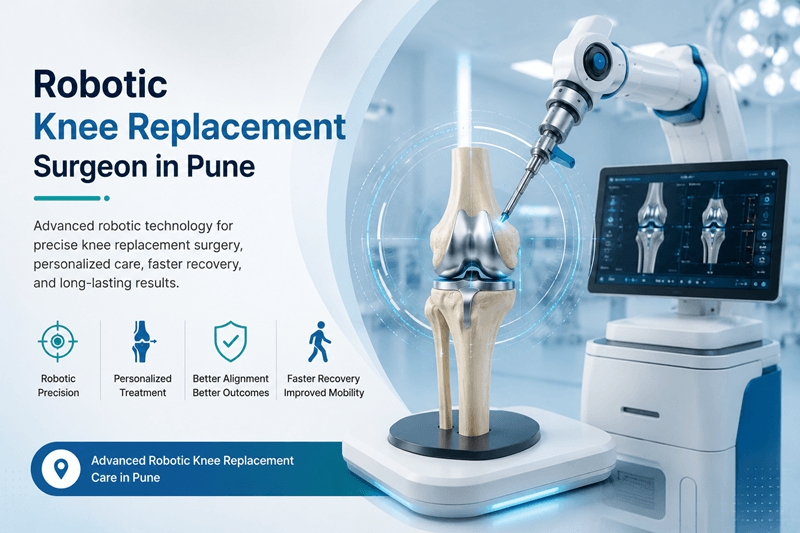
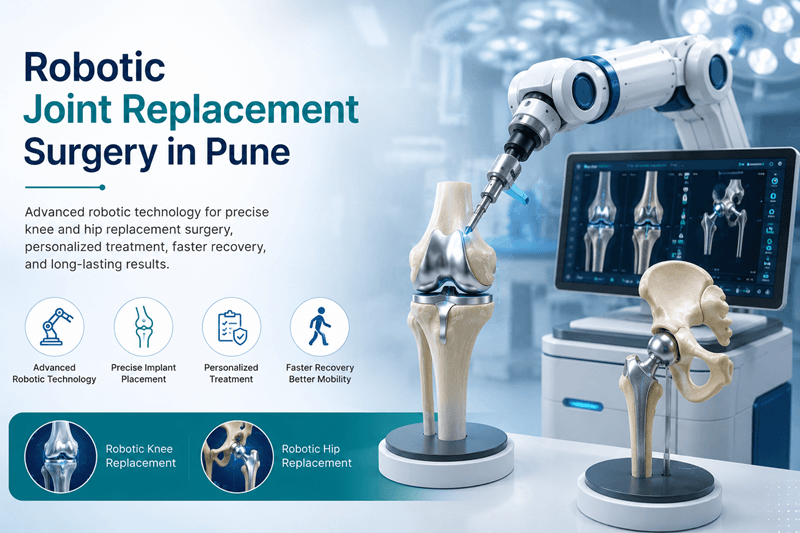
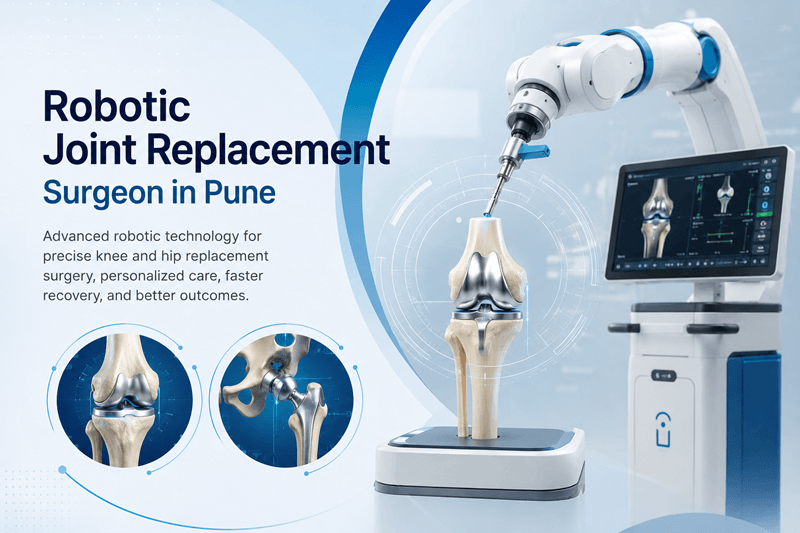
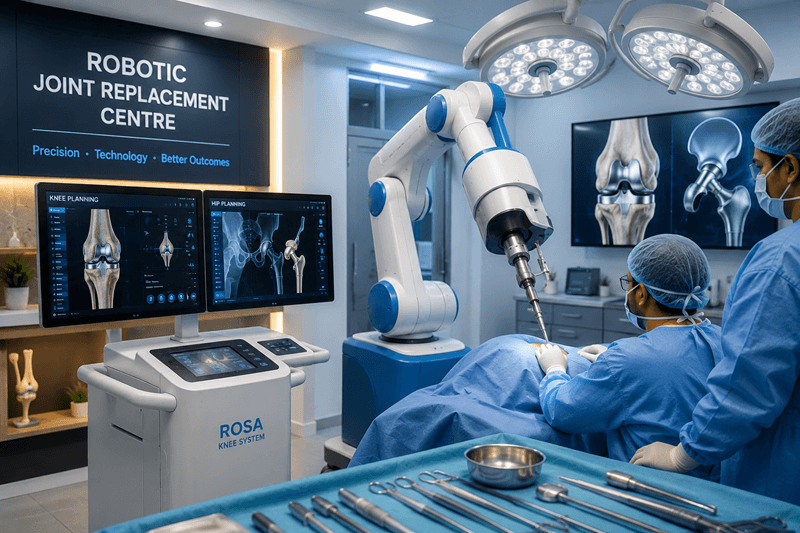
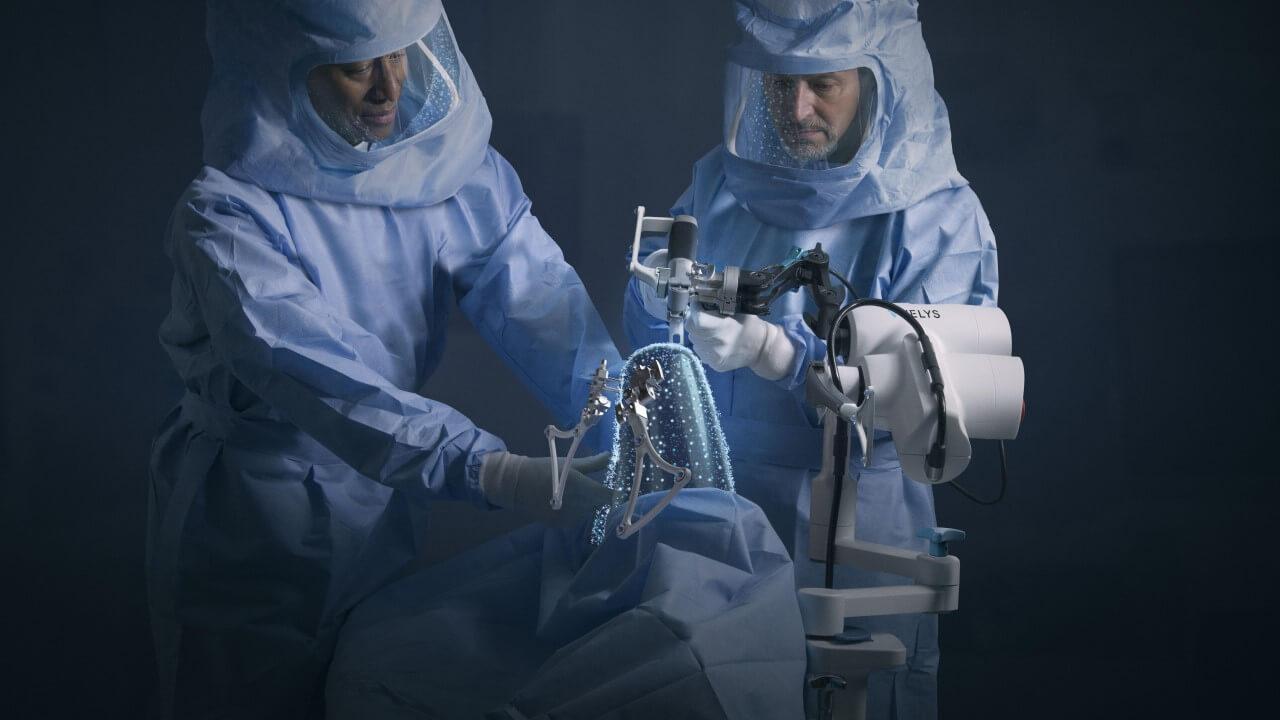
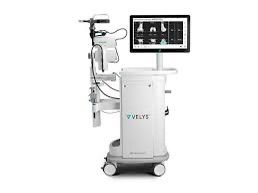
Robotic joint replacement surgery combines the expertise of an orthopedic surgeon with advanced robotic-assisted technology.
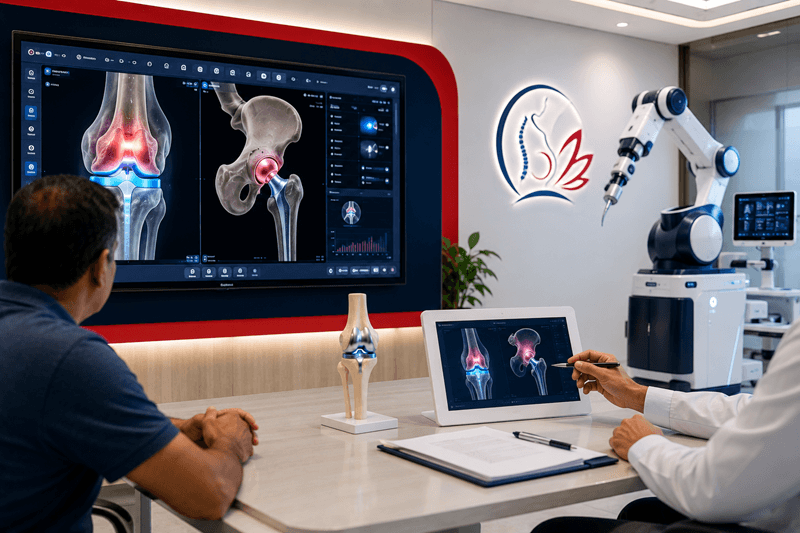
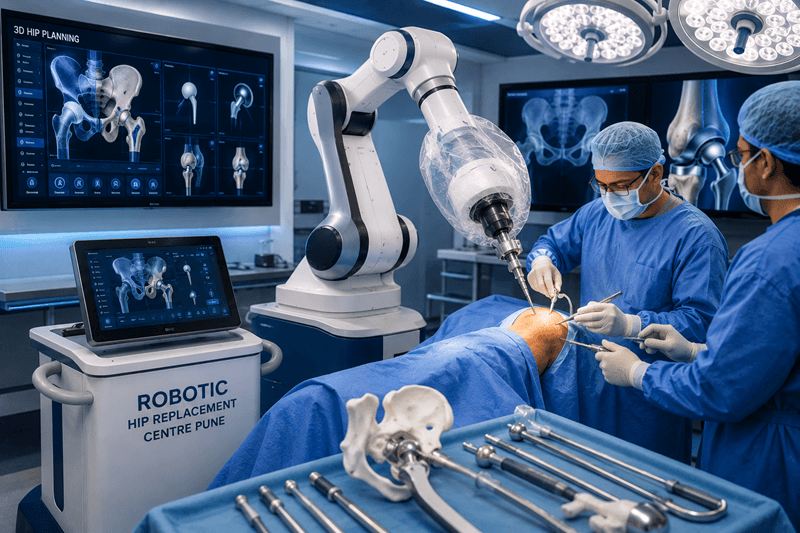
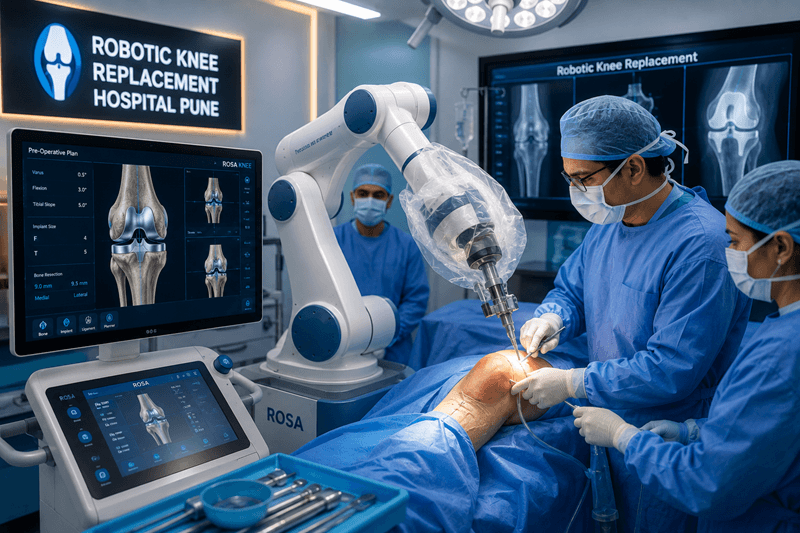
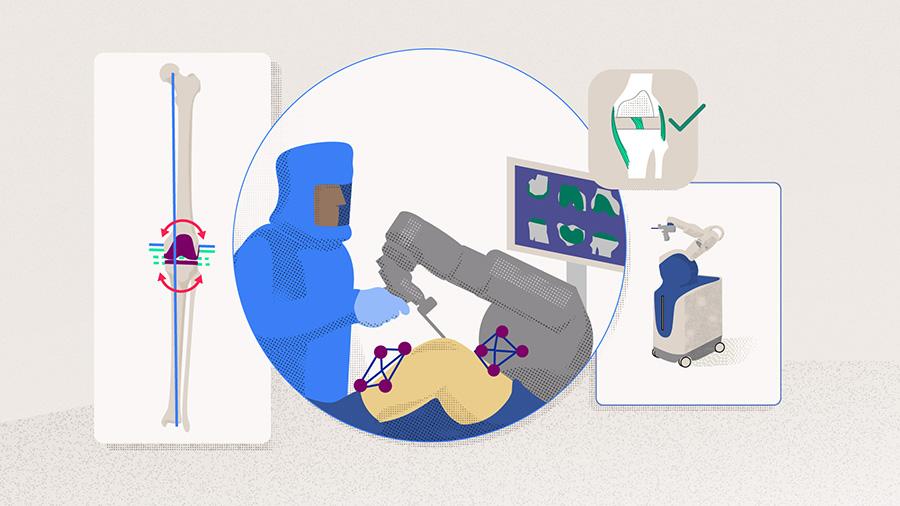
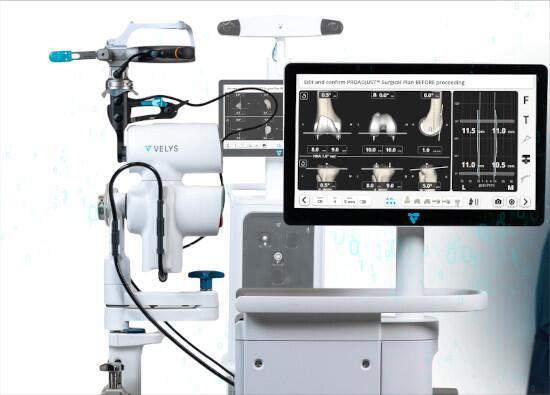
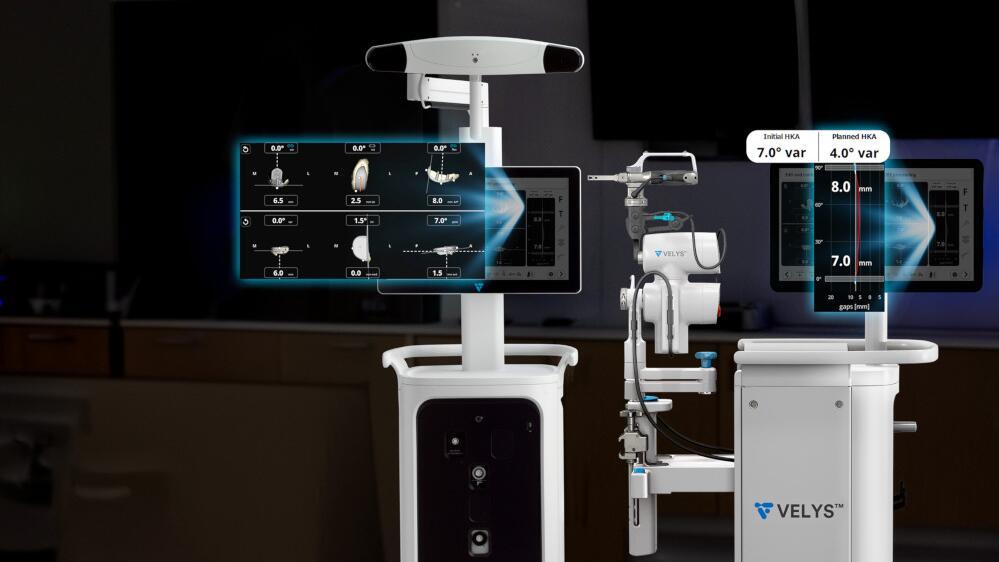
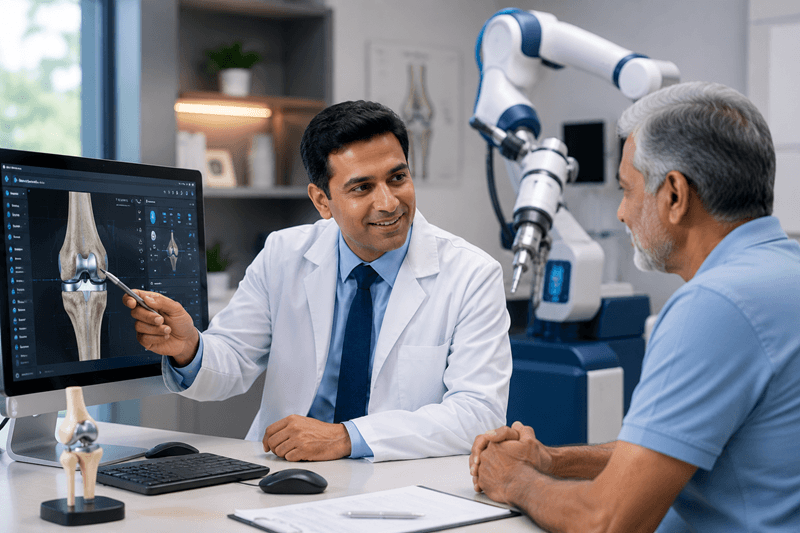
Before surgery, detailed imaging and 3D planning can help the surgeon understand the patient's joint anatomy and plan the procedure according to individual requirements.
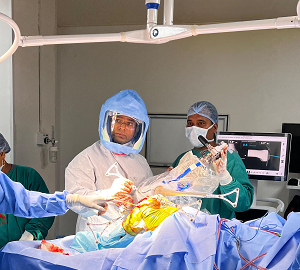
During surgery, robotic assistance can support accurate bone preparation and implant positioning while the surgeon remains in control of the procedure.
The suitability of robotic joint replacement depends on the patient's condition, joint damage, medical history, and overall treatment requirements.
What Are the Benefits of Robotic-Assisted Joint Replacement?
Depending on the patient's condition and surgical approach, robotic-assisted joint replacement may offer benefits such as:
- Detailed pre-surgical planning
- Enhanced surgical precision
- Accurate implant positioning
- Personalized surgical planning
- Improved joint alignment
- Support for efficient recovery and rehabilitation
Your orthopedic surgeon can explain the potential benefits and limitations after evaluating your condition.
Why Choose Dr. Mangesh Darekar for Robotic Joint Replacement in Pune?
18+ Years of Orthopedic Experience
Dr. Mangesh Darekar has more than 18 years of experience in orthopedic care and specializes in advanced joint replacement procedures.
Expertise in Robotic Joint Replacement
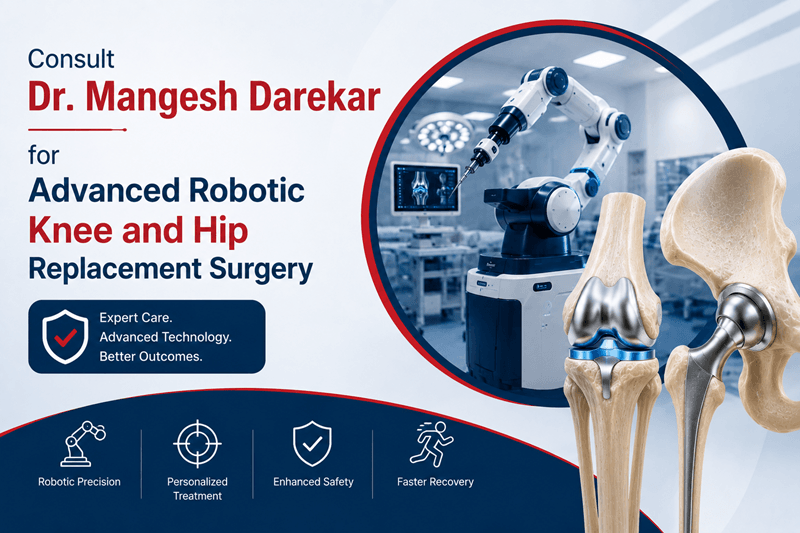
Dr. Mangesh Darekar provides robotic-assisted knee and hip replacement procedures, combining orthopedic surgical expertise with advanced robotic technology.
Personalized Treatment Planning
Every patient's joint condition is different. Treatment planning can be based on clinical evaluation, imaging, joint condition, medical history, and individual mobility requirements.
Advanced Robotic Technology
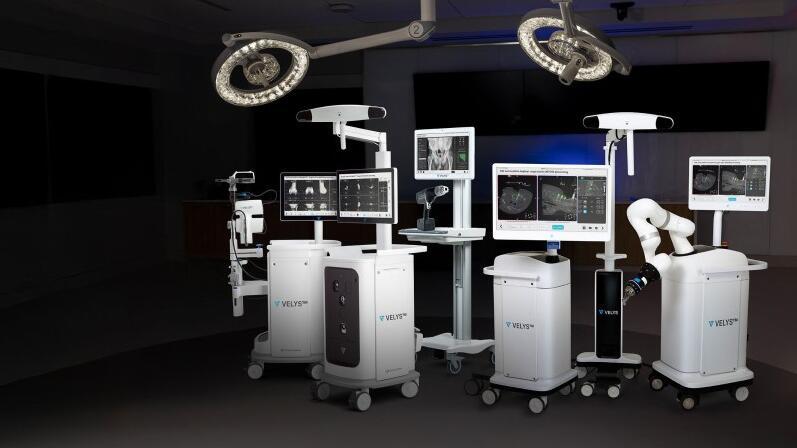
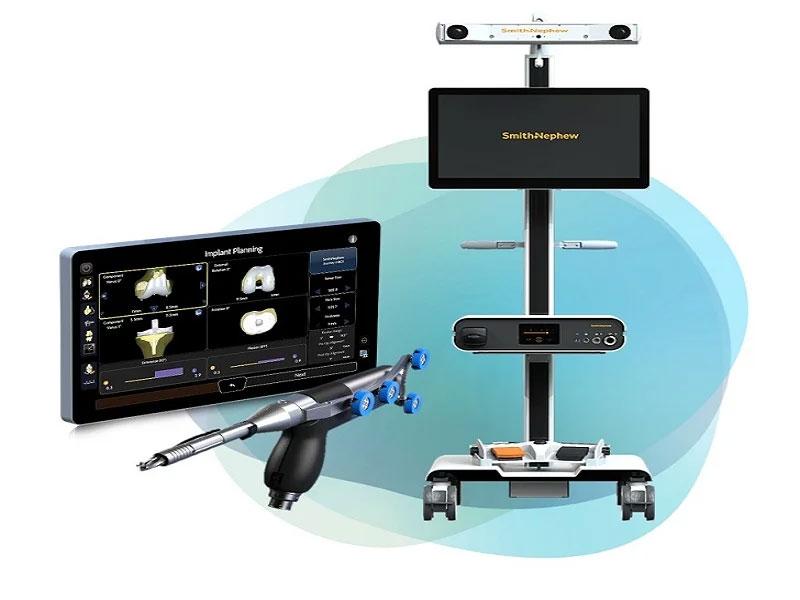
Robotic-assisted technology can support detailed planning and precision during selected joint replacement procedures, including knee and hip replacement.
Dedicated Robotic Joint Replacement Centre
Treatment is provided at Darekar Superspeciality Hospital and Robotic Joint Replacement Centre in Pune, where robotic orthopedic procedures and related care are offered.
When Should You Consult a Robotic Joint Replacement Surgeon?
You should consider an orthopedic consultation if persistent joint pain, stiffness, swelling, or reduced mobility is affecting your daily activities.
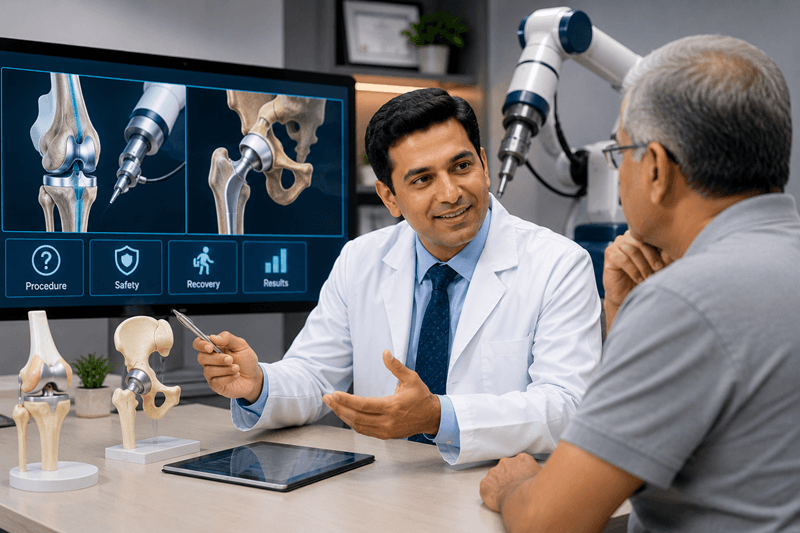
A consultation does not necessarily mean that you need surgery. Your doctor can evaluate your symptoms, examine the affected joint, review imaging, and discuss non-surgical and surgical treatment options based on your condition.
Early specialist evaluation can help you understand the available treatment options and make an informed decision about your joint health.
Frequently Asked Questions About Robotic Joint Replacement Surgery
1. What is robotic joint replacement surgery?
Robotic joint replacement is an advanced surgical approach in which robotic-assisted technology supports the surgeon during planning and selected steps of joint replacement surgery. The surgeon remains responsible for the procedure and treatment decisions.
2. Who may need robotic joint replacement surgery?
Patients with severe joint damage, advanced arthritis, persistent pain, significant mobility limitations, or joint problems that have not improved with conservative treatment may be evaluated for joint replacement.
3. Does everyone with knee or hip pain need robotic surgery?
No. Joint replacement is not required for every patient with joint pain. Treatment depends on the severity of joint damage, symptoms, medical history, physical examination, imaging, and response to non-surgical treatment.
4. What are the signs that I may need joint replacement?
Persistent pain, difficulty walking, severe stiffness, recurring swelling, reduced range of motion, significant joint damage, and failure of conservative treatments may be signs that a joint replacement evaluation is appropriate.
5. Is robotic joint replacement safe?
Robotic-assisted technology is used to support surgical planning and precision. As with any major surgery, joint replacement has potential risks and complications. Your surgeon can explain the benefits, risks, and suitability of the procedure for your specific condition.
6. How long does recovery take after robotic joint replacement?
Recovery varies from patient to patient depending on the joint replaced, overall health, surgical procedure, and rehabilitation. Many patients begin movement and walking soon after surgery under medical supervision, followed by physiotherapy and rehabilitation.
7. Will I need physiotherapy after robotic joint replacement?
Yes. Physiotherapy and rehabilitation are important parts of recovery. A guided rehabilitation program can help improve strength, mobility, balance, and joint function.
8. How long do joint replacement implants last?
The lifespan of an implant varies depending on factors such as implant type, activity level, body weight, overall health, and care after surgery. Your surgeon can provide more specific information based on your individual case.
9. How can I consult Dr. Mangesh Darekar?
You can contact Darekar Superspeciality Hospital and Robotic Joint Replacement Centre in Pune to schedule a consultation and discuss your joint condition and treatment options. The website currently lists the consultation/contact number as 09766955988.
Conclusion
Persistent joint pain does not always mean that you need surgery, but symptoms that continue despite treatment should be properly evaluated.
If knee or hip pain is affecting your mobility, sleep, work, or everyday activities, consulting an experienced orthopedic surgeon can help you understand the cause of your symptoms and the treatment options available.
For patients who are suitable candidates, robotic joint replacement can be considered as part of a personalized treatment plan.


.png)
.jpg)