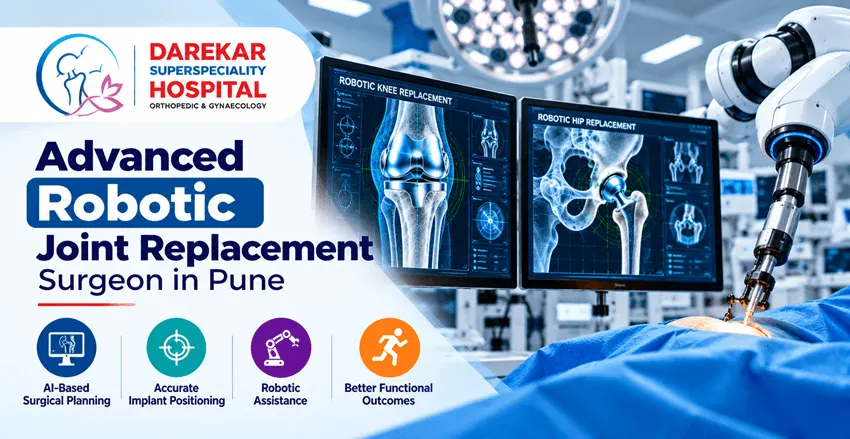
Advanced Robotic Joint Replacement Surgeon in Pune
Joint pain can gradually affect walking, standing, climbing stairs, sleeping, and other everyday activities. When damage to the knee or hip joint becomes severe, routine movements may become difficult despite medication, physiotherapy, activity modification, or other non-surgical treatments. For some patients, an orthopaedic surgeon may recommend evaluating the need for joint replacement surgery.
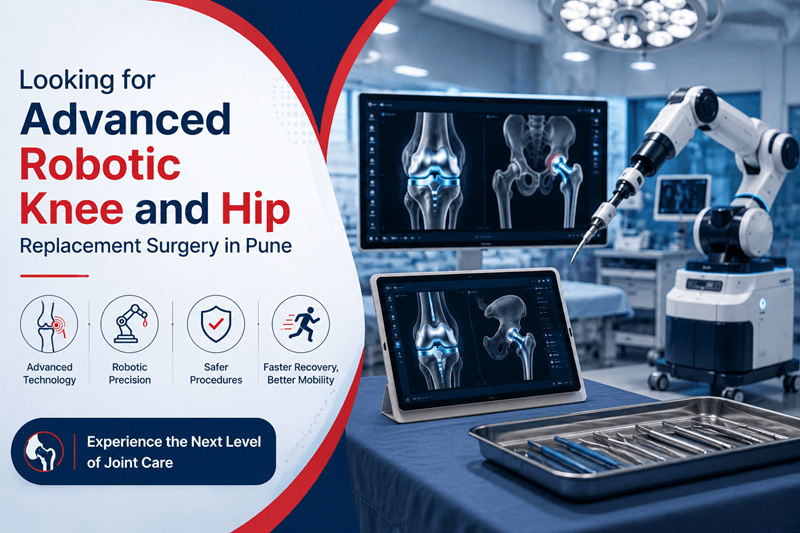
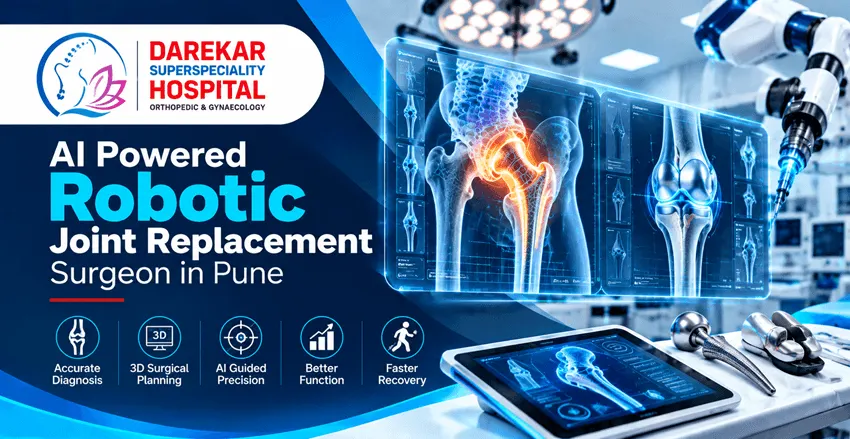
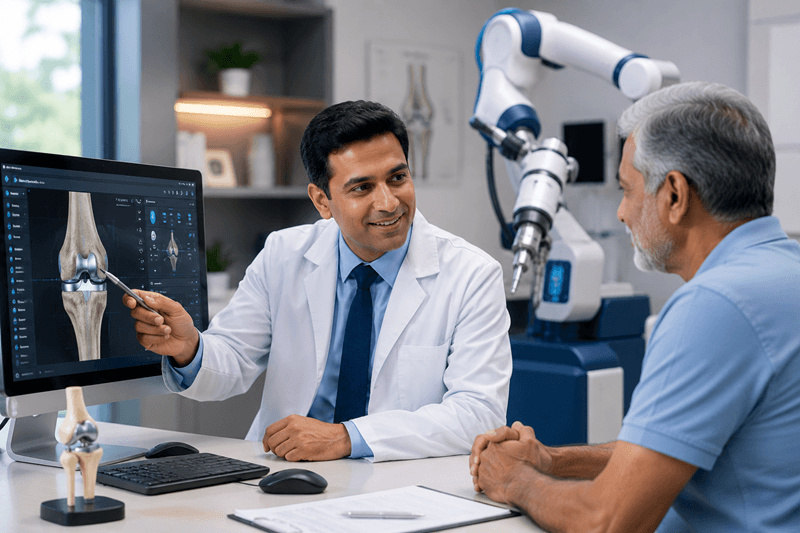
Advances in orthopaedic technology have introduced robotic-assisted joint replacement, which can support surgical planning, anatomical measurements, navigation, and selected stages of an operation. Patients searching for an advanced robotic joint replacement surgeon in Pune often want to understand how the technology works, whether it is suitable for them, and how knee and hip replacement options differ.
At Darekar Superspeciality Hospital and Robotic Joint Replacement Centre in Pune, patients can enquire about an orthopaedic assessment and available joint replacement treatment options. The most appropriate treatment depends on the diagnosis, extent of joint damage, general health, anatomy, and the surgeon's clinical assessment.
What Is Advanced Robotic Joint Replacement?
Joint replacement surgery involves removing damaged joint surfaces and replacing them with artificial components called implants. Knee and hip replacements are commonly considered when arthritis or another condition causes substantial pain and reduced function despite appropriate non-surgical care.
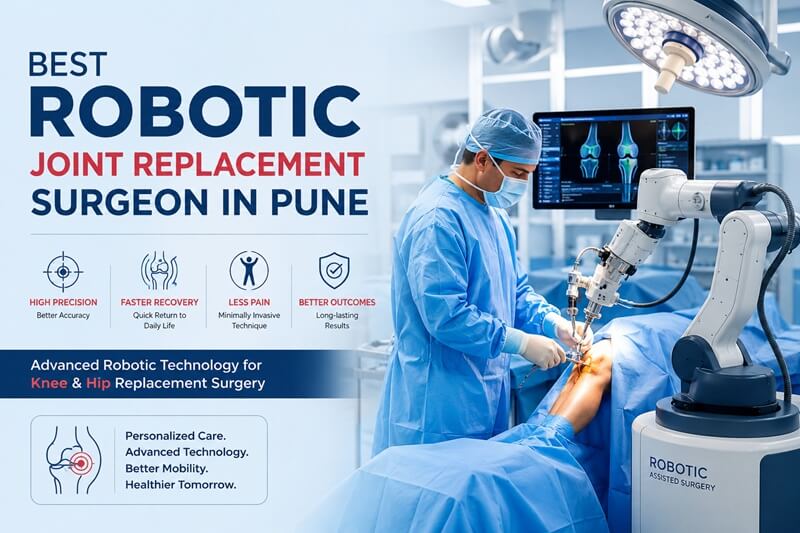
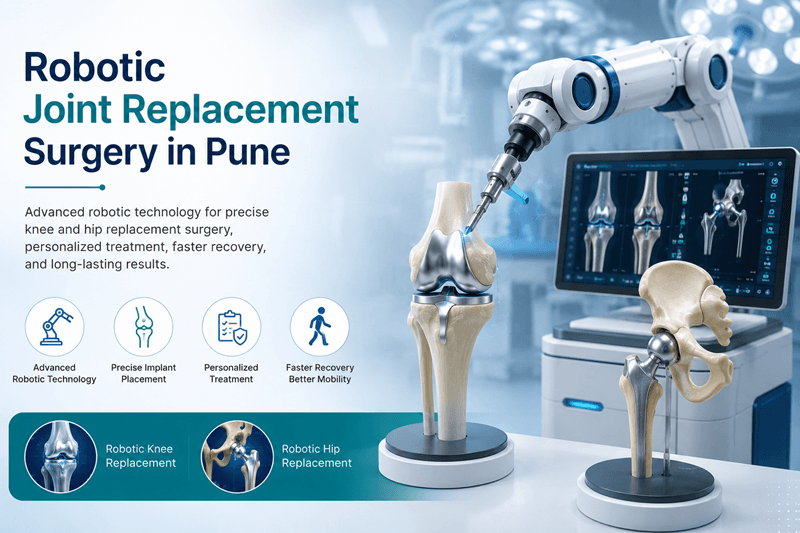
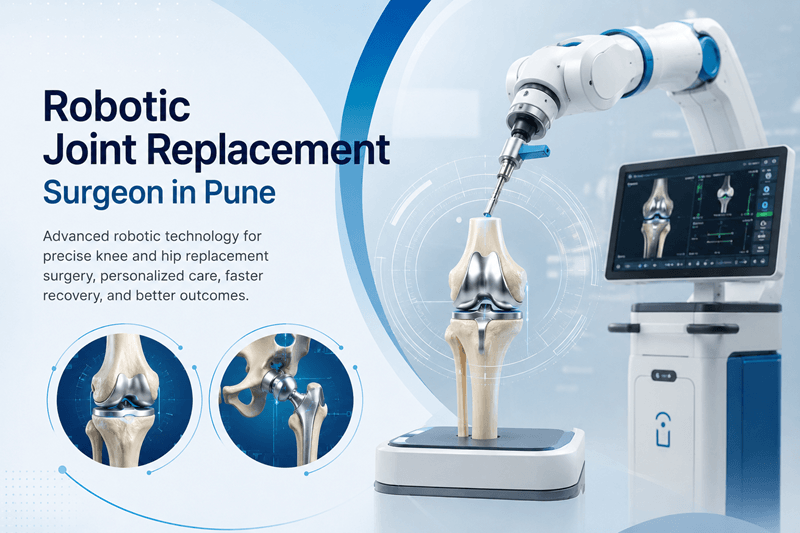
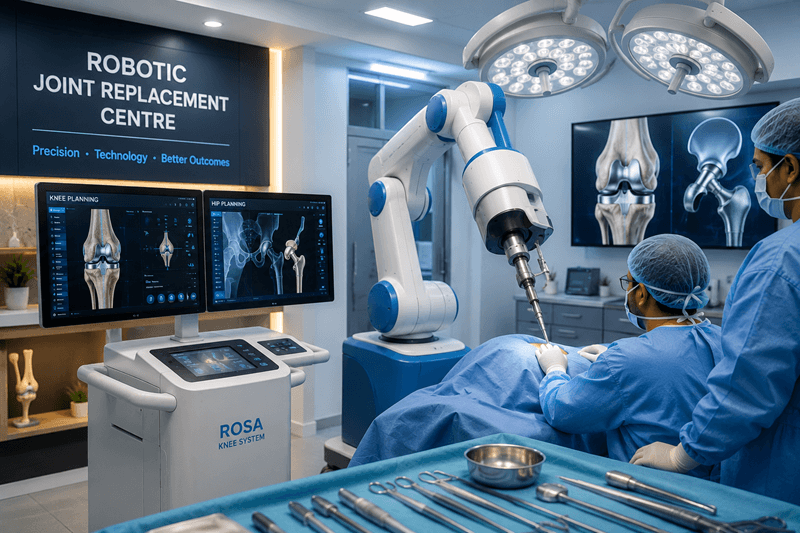
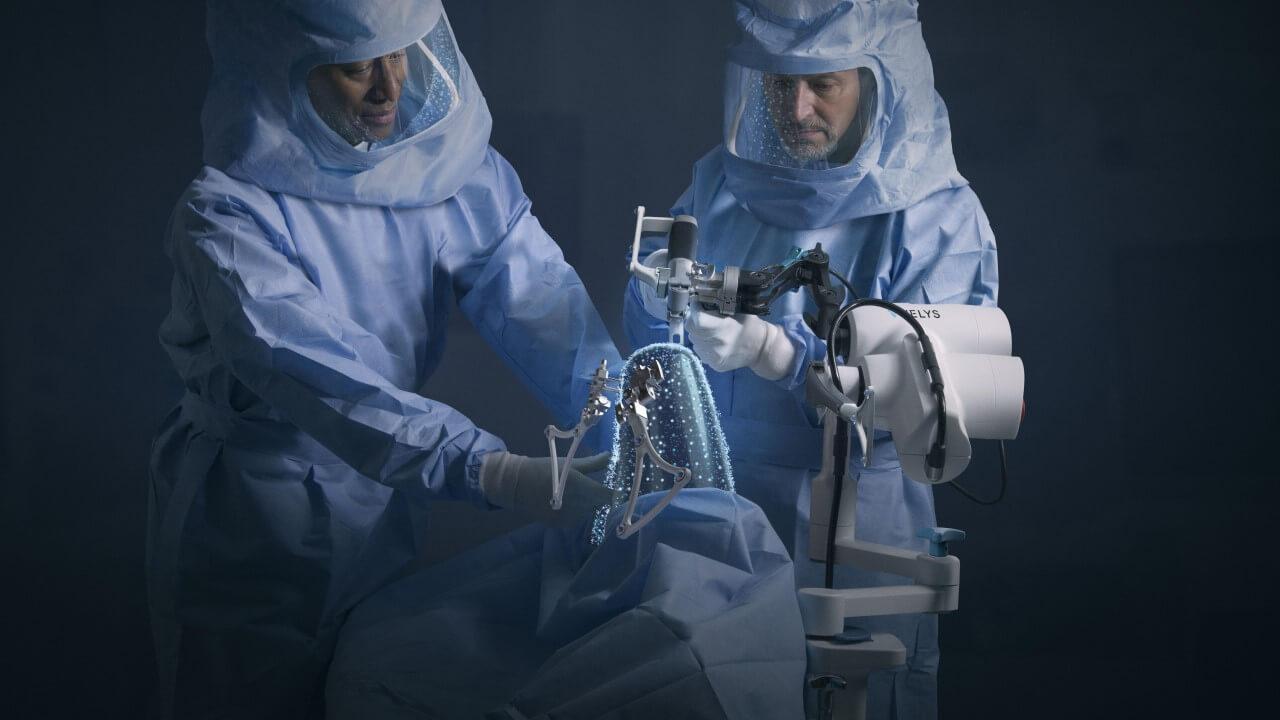
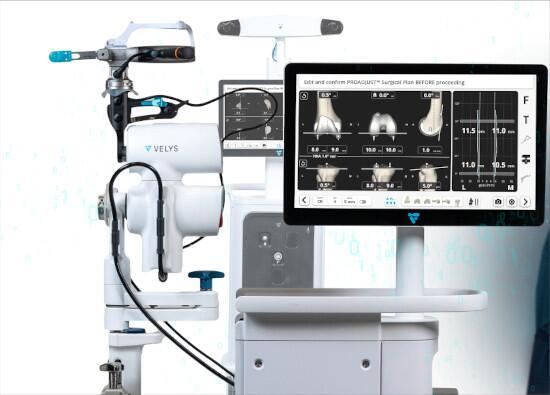
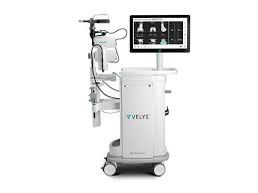
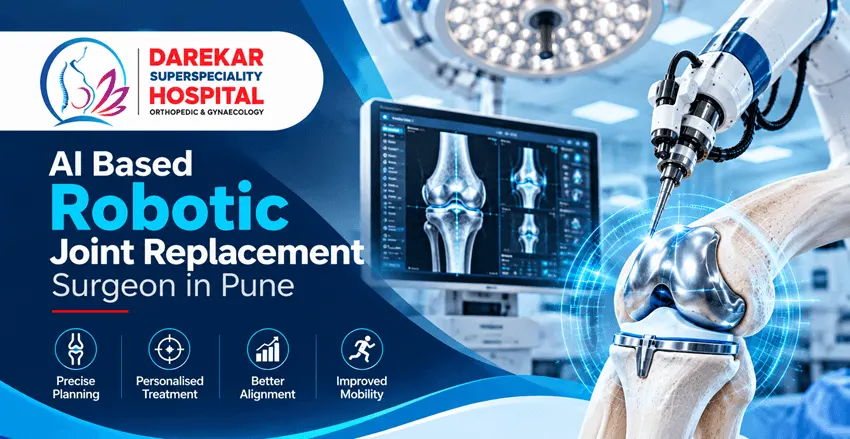
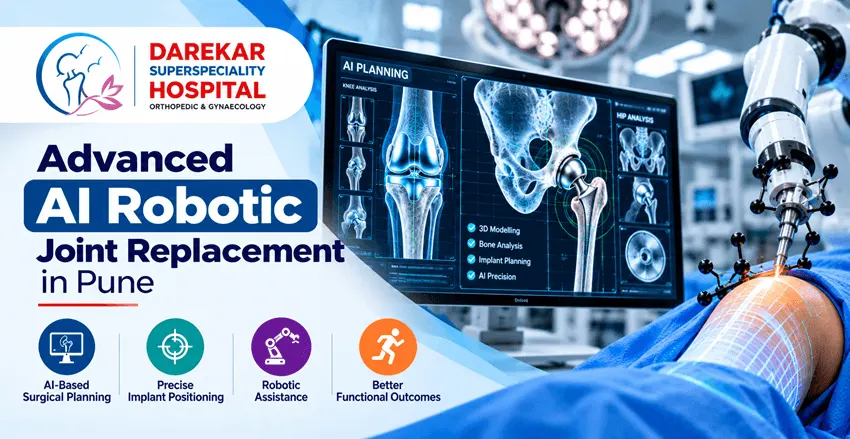
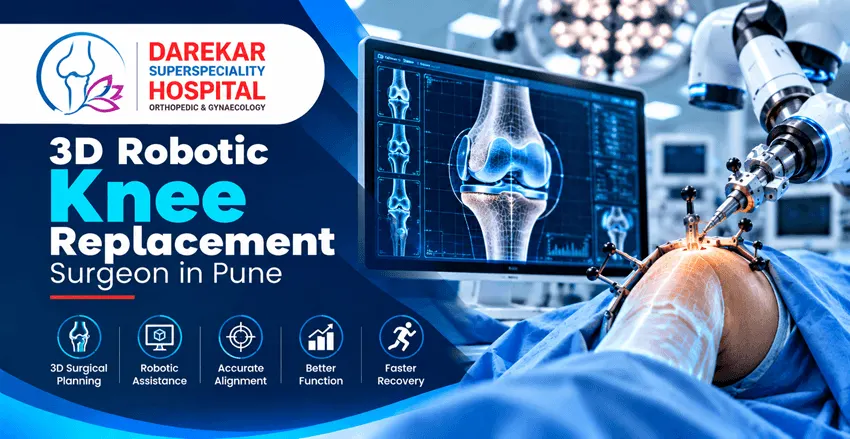
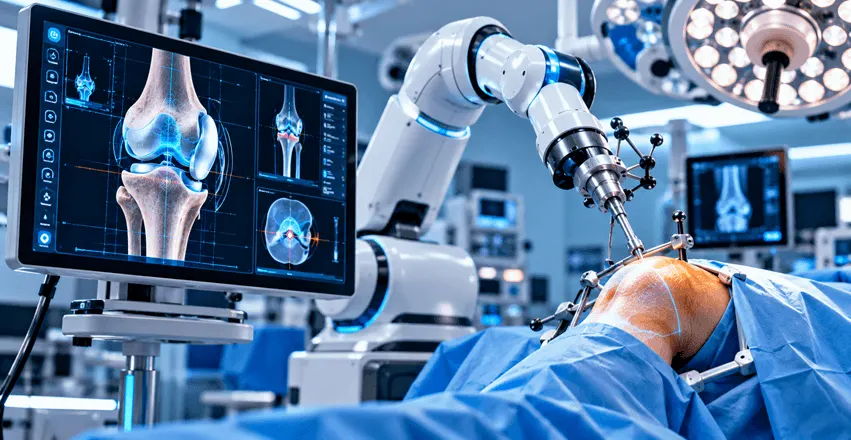
Robotic-assisted joint replacement uses specialised technology to help the surgeon plan and perform selected parts of the procedure. Depending on the robotic platform, the technology may use medical imaging, three-dimensional planning, anatomical measurements, navigation, or real-time feedback.
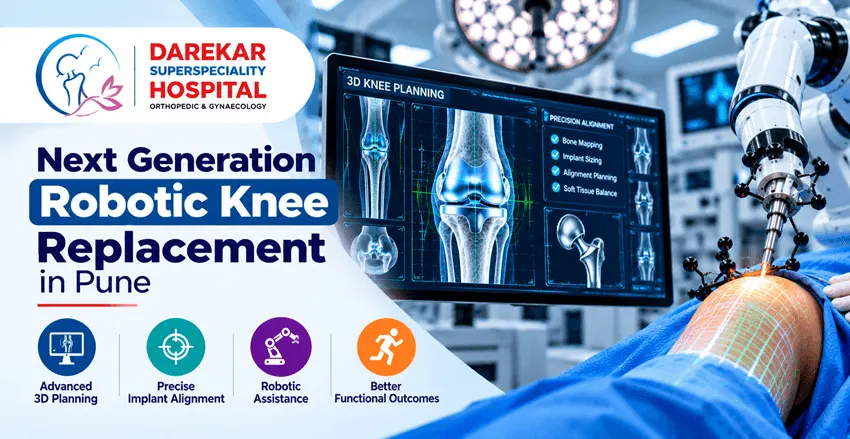
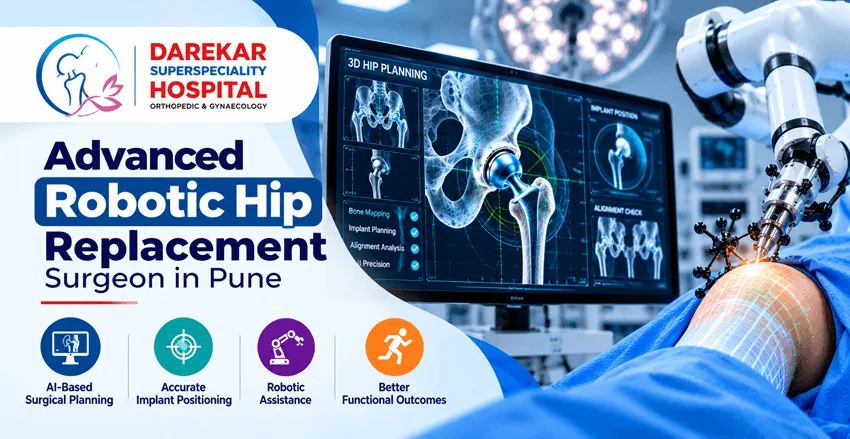
For knee replacement, robotic assistance may help the surgeon plan bone preparation and assess implant alignment. For hip replacement, certain systems may support planning and positioning of the artificial joint components.
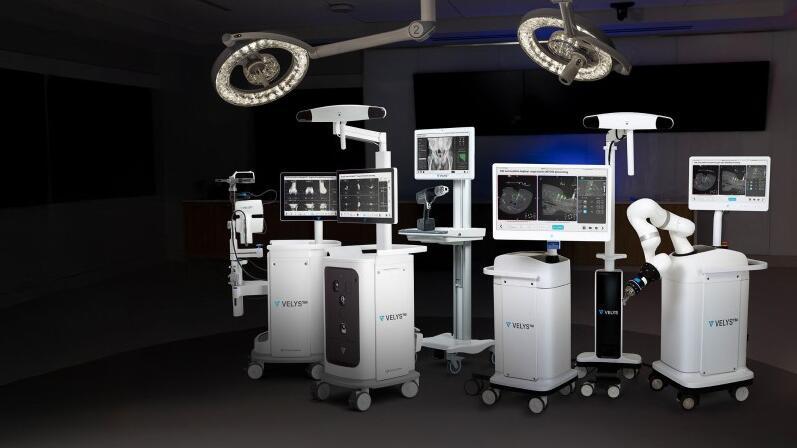
The exact capabilities differ between systems. Some use preoperative CT imaging to create a three-dimensional model, while other platforms use different planning or measurement methods.
Robotic-assisted surgery is not an operation performed independently by a robot. The orthopaedic surgeon remains responsible for treatment decisions, surgical technique, implant selection, and patient care.
How Robotic Technology Supports Joint Replacement
1. Assessment of Joint Damage
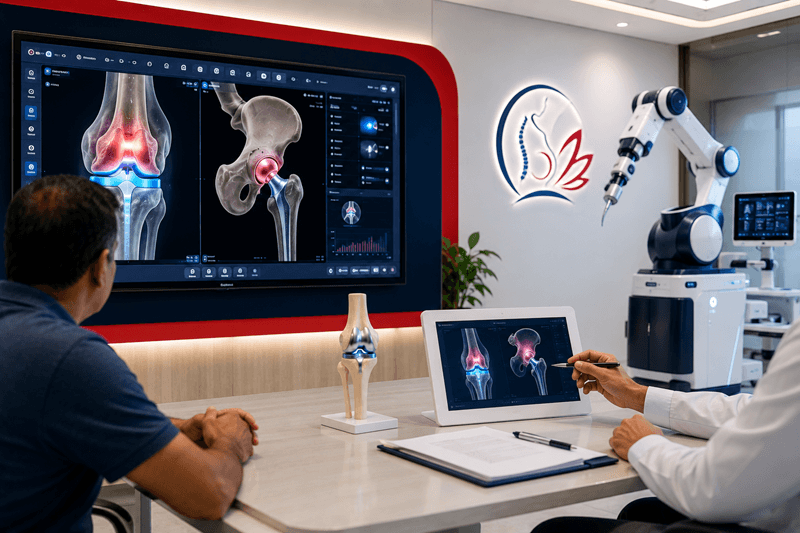
Before recommending surgery, the orthopaedic surgeon reviews symptoms, medical history, physical examination findings, and appropriate imaging. This assessment helps establish the cause of pain, identify the extent of joint damage, and determine whether replacement is appropriate.
For knee problems, the evaluation may consider joint alignment, movement, stability, and which compartments are affected. For hip problems, the surgeon evaluates pain, mobility, joint damage, and factors that may influence implant positioning.
The results help the surgeon discuss suitable treatment options with the patient.
2. Digital and Three-Dimensional Surgical Planning
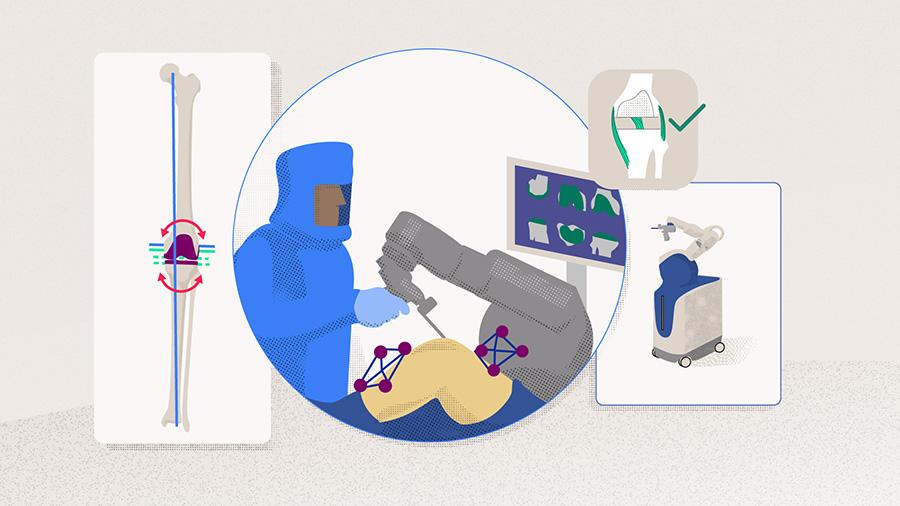
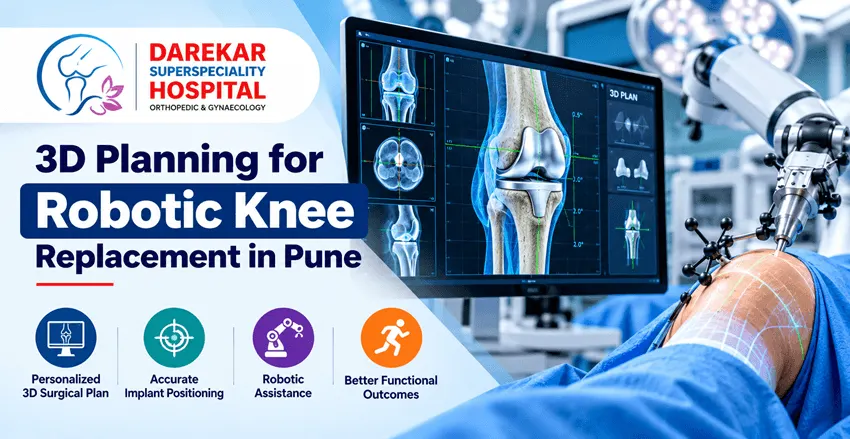
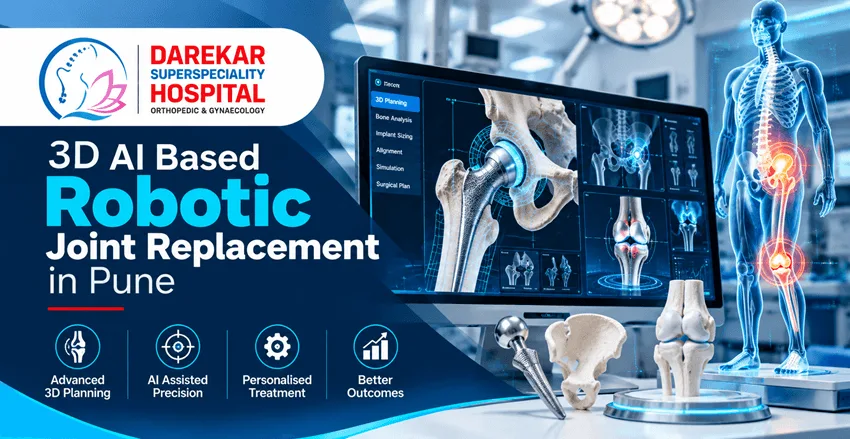
Some robotic systems use medical imaging or measurements to create a digital representation of the joint. This information can help the surgeon plan aspects of the operation before surgery.
For knee replacement, planning may include the intended bone cuts and implant alignment. For hip replacement, planning may include component size and orientation, depending on the system.
The plan is a guide rather than a substitute for clinical judgement. The surgeon may need to adapt the approach according to the patient's anatomy and findings during the procedure.
3. Support for Implant Positioning
Correct implant positioning is an important technical consideration in joint replacement. Robotic-assisted systems may provide measurements, navigation, or instrument guidance to help the surgeon follow the planned approach.
For knee replacement, this may involve assessing alignment and bone preparation. For hip replacement, the technology may help assess aspects of component orientation and positioning.
The benefits depend on the particular system and the patient's clinical circumstances. Technical precision does not automatically guarantee less pain, fewer complications, or better long-term function.
4. Measurements and Feedback During Surgery
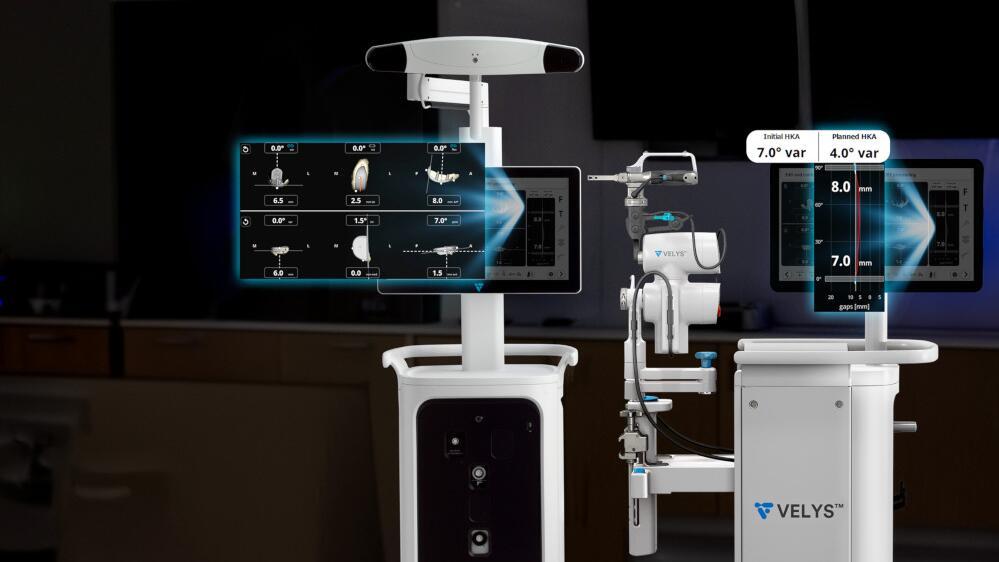
Depending on the robotic platform, the surgeon may receive information about anatomical landmarks, alignment, instrument position, or other measurements during surgery.
This information can supplement the surgeon's experience and direct assessment. The surgeon interprets the feedback and decides how to proceed, including whether changes to the original plan are needed.
5. Individualised Surgical Decisions
Every patient has a different combination of joint damage, anatomy, activity requirements, and general health. Digital planning may help the surgical team consider these differences before the operation.
However, robotic technology does not make the same procedure suitable for everyone. Conventional joint replacement may be the appropriate option for some patients.
Types of Robotic-Assisted Joint Replacement
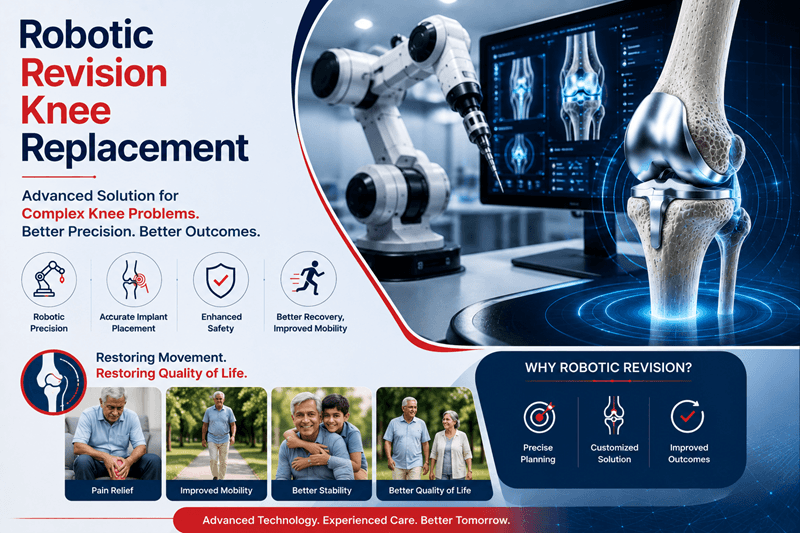
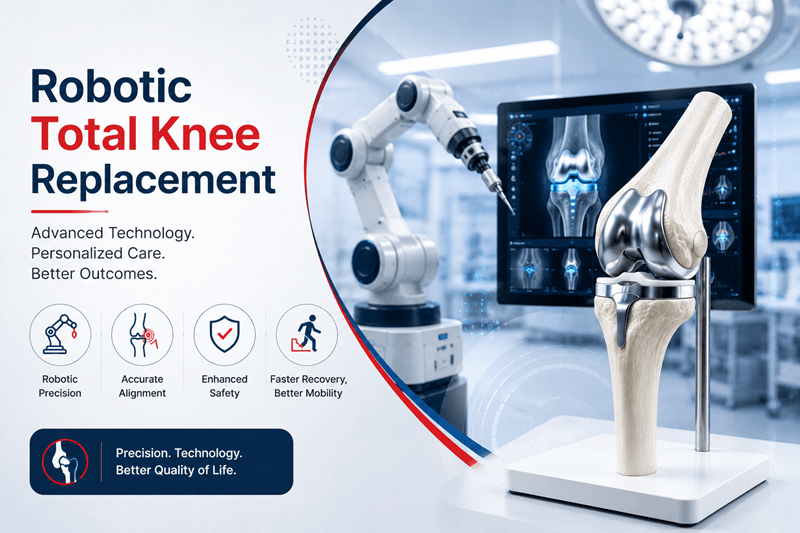
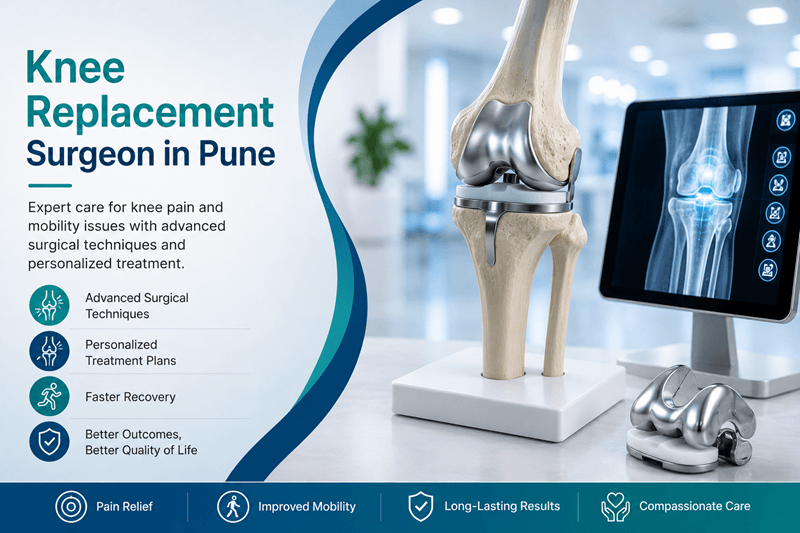
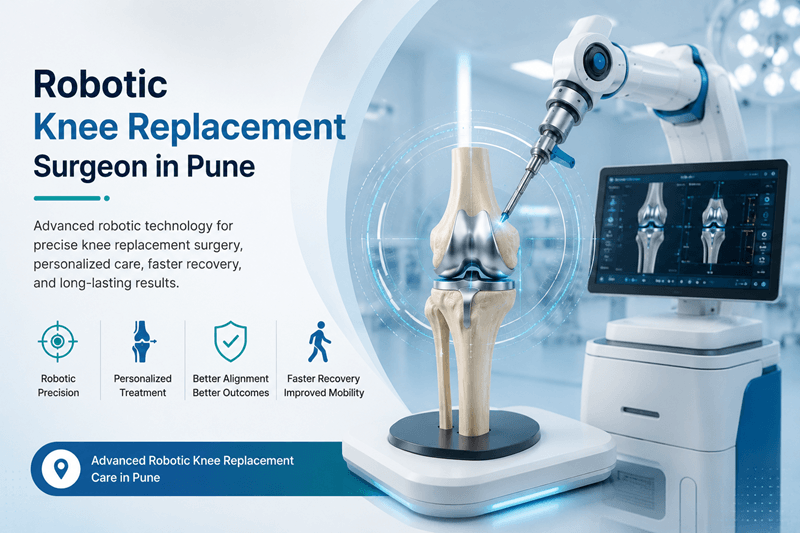
Robotic-Assisted Knee Replacement
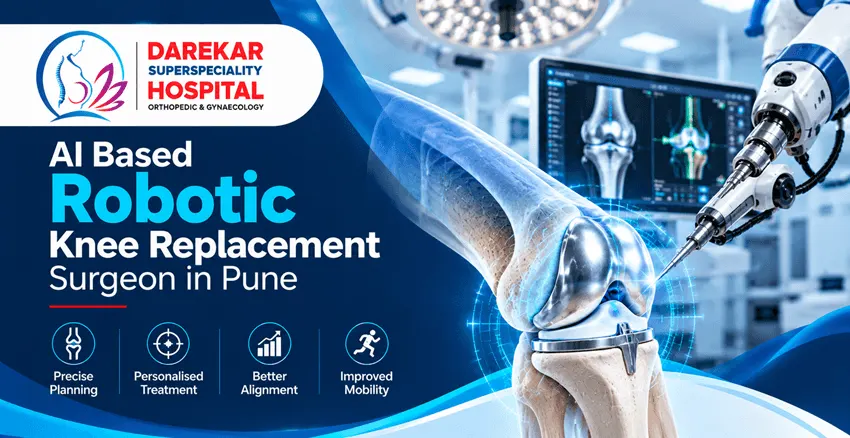
Knee replacement may be considered for advanced arthritis or other conditions that damage the joint and cause persistent pain, stiffness, swelling, or difficulty walking.
Depending on the location and extent of damage, a surgeon may recommend total knee replacement or partial knee replacement. Total knee replacement treats the damaged joint surfaces across the main compartments, while partial knee replacement treats a selected damaged compartment in suitable patients.
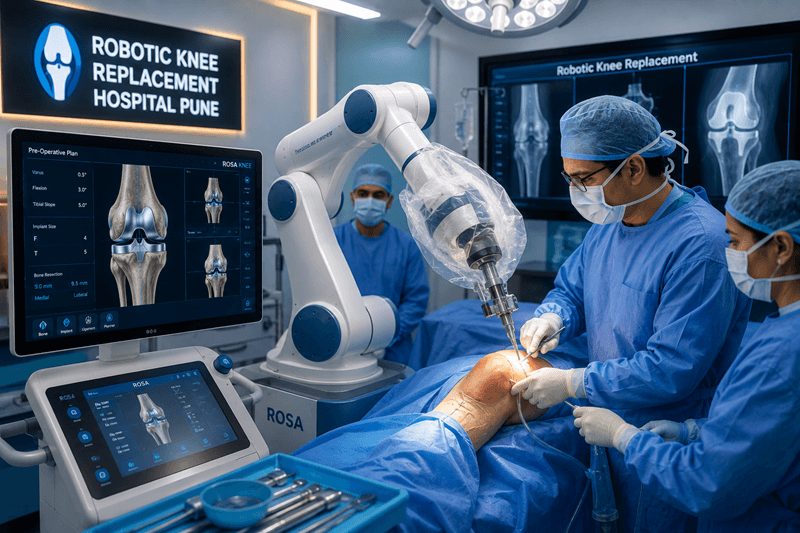
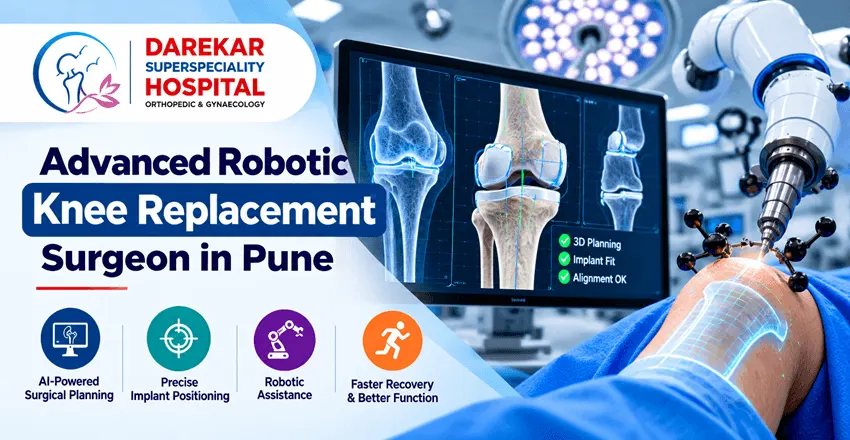
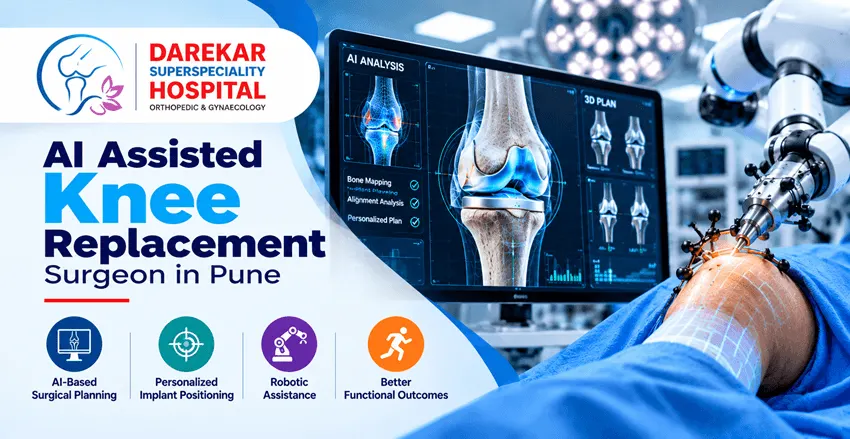
Robotic-assisted technology may support planning, measurements, and guidance during eligible procedures. The decision to use it depends on the patient's condition, the available system, and the surgeon's assessment.
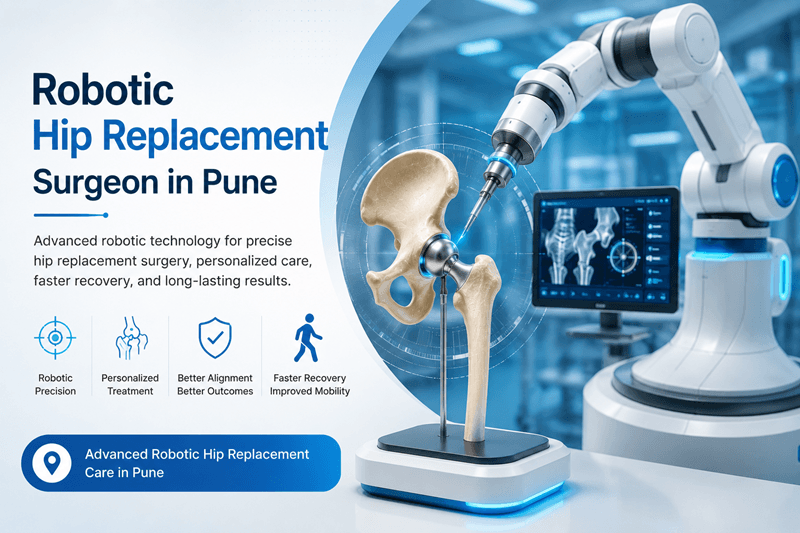
Robotic-Assisted Hip Replacement
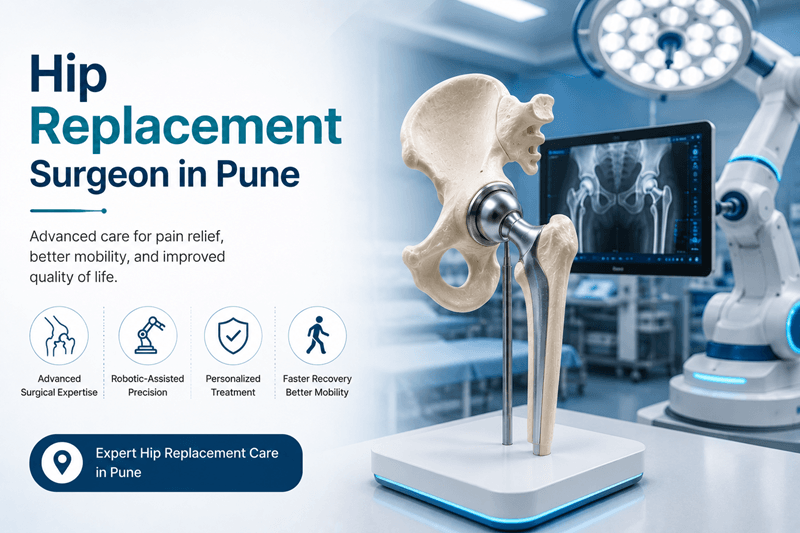
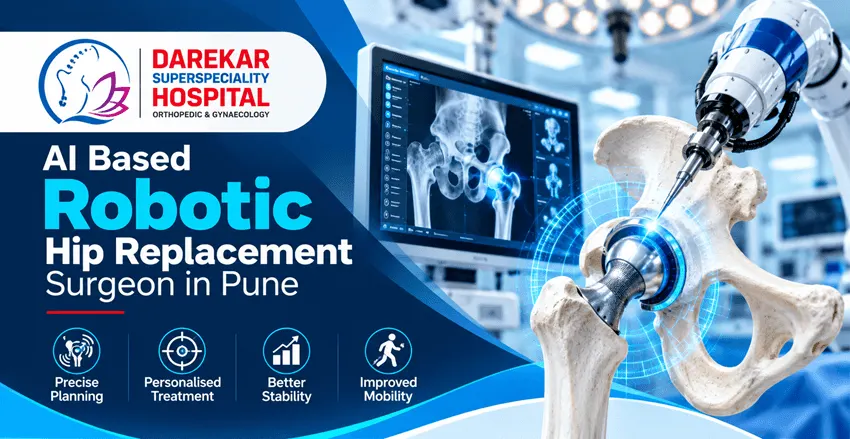
The hip is a ball-and-socket joint that allows the leg to move in different directions. Conditions such as osteoarthritis, certain inflammatory diseases, avascular necrosis, and some injuries can damage the joint.
Hip replacement may be considered when joint damage causes substantial pain and limits daily activities despite appropriate treatment.
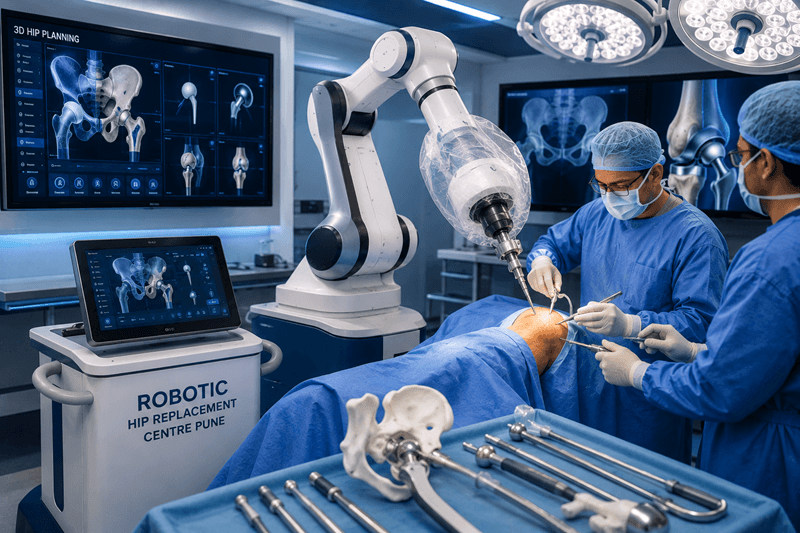
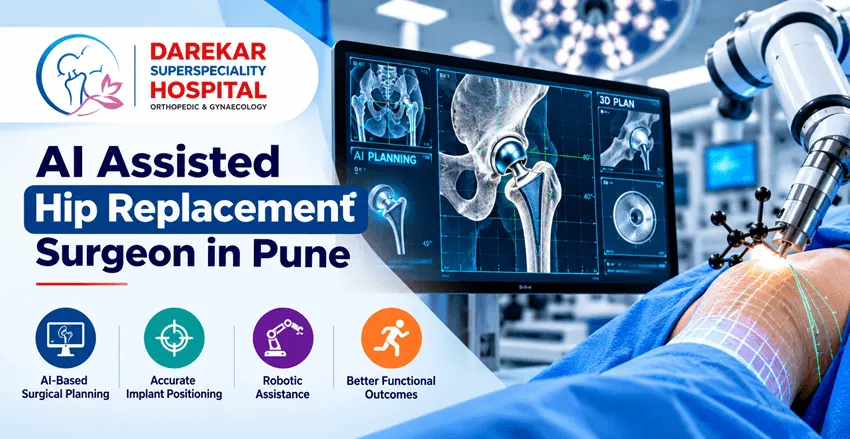
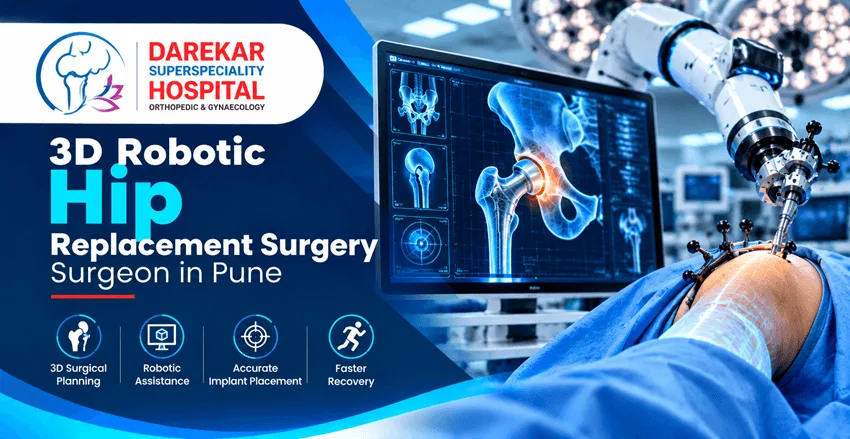
Depending on the robotic platform, technology may help the surgeon plan implant size and positioning or provide navigation during selected stages of surgery. The exact capabilities and imaging requirements vary between systems.
Who May Need Joint Replacement Surgery?
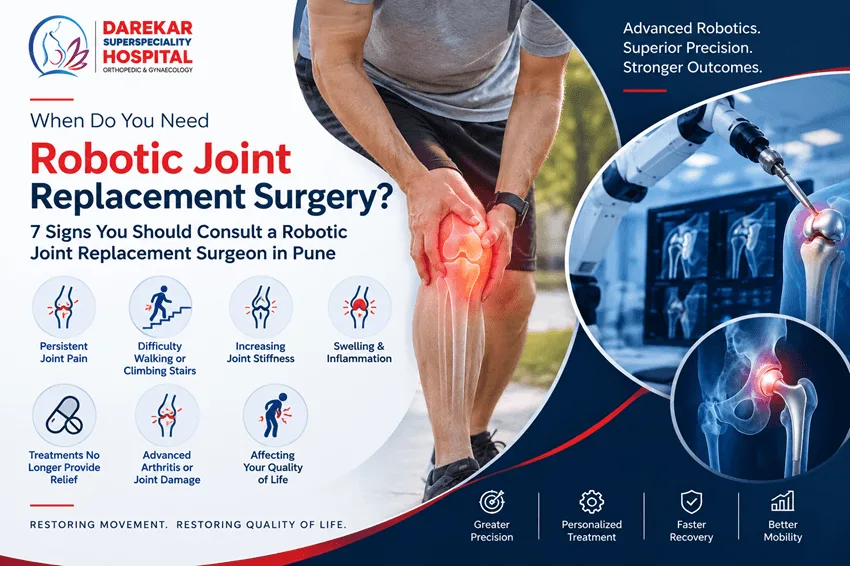
Joint replacement may be considered when joint damage causes persistent symptoms that interfere with daily life and appropriate non-surgical treatment has not provided enough relief.
An orthopaedic assessment may be appropriate if a person experiences:
Persistent knee or hip pain that limits walking or other daily activities.
Stiffness or reduced joint movement.
Difficulty climbing stairs, standing up, or sitting comfortably.
Pain that affects sleep or occurs during rest.
Reduced independence because of joint symptoms.
Ongoing symptoms despite suitable medication, physiotherapy, activity modification, or walking support.
Osteoarthritis is a common cause of severe joint damage. Other conditions, including certain inflammatory joint diseases, avascular necrosis of the hip, and previous injuries, may also lead to joint replacement being considered.
These symptoms do not automatically mean surgery is necessary. The surgeon assesses the diagnosis, severity of joint damage, general health, activity needs, and previous treatments before making a recommendation.
Potential Benefits of Robotic-Assisted Joint Replacement
Robotic-assisted technology may offer additional planning and measurement capabilities in appropriately selected cases. Potential benefits depend on the system used and the patient's clinical circumstances.
Patient-Specific Planning
Some systems allow the surgeon to review a digital model or detailed measurements of the joint. This can help the team plan aspects of the procedure according to the patient's anatomy.
Support for Implant Alignment and Positioning
Robotic guidance or navigation may help the surgeon follow the planned approach and assess implant position. The precision of certain technical steps may improve with some systems, but the relationship between these measurements and patient-reported outcomes varies.
Additional Measurements
Certain platforms provide intraoperative feedback that can supplement the surgeon's assessment. The information available depends on the system and the procedure being performed.
Structured Surgical Workflow
Technology-assisted planning may help organise selected parts of the operation. The practical advantages depend on the surgeon's training, the complexity of the case, and the equipment available.
Important: Robotic-assisted joint replacement does not guarantee a pain-free joint, faster recovery, fewer complications, or a longer-lasting implant. Outcomes also depend on patient health, surgical expertise, implant factors, and rehabilitation.
Robotic-Assisted vs Conventional Joint Replacement
Both robotic-assisted and conventional joint replacement aim to relieve symptoms caused by significant joint damage and improve function when surgery is appropriate.
In conventional surgery, the surgeon uses established instruments, anatomical landmarks, imaging, and clinical judgement to prepare the joint and position the implant.
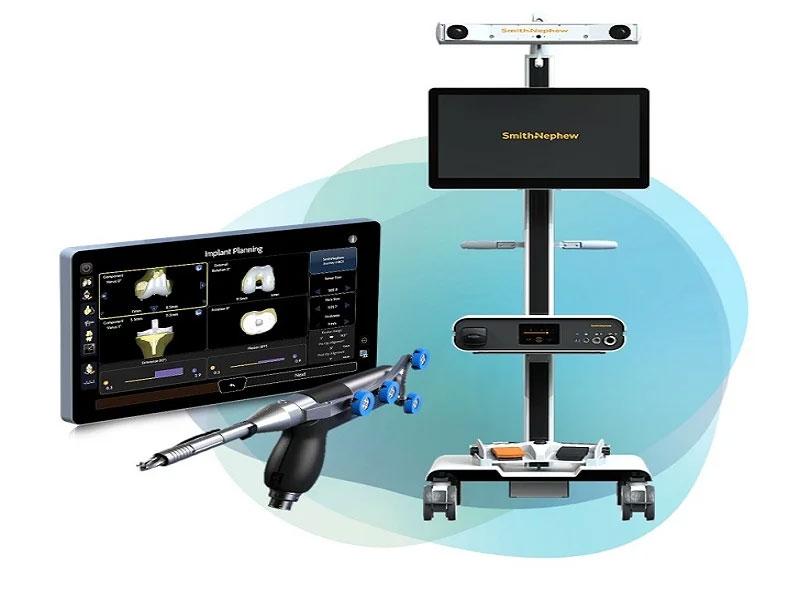
Robotic-assisted surgery adds specialised technology that may support planning, navigation, measurements, or instrument guidance. The features vary between platforms, and not every system requires the same type of preoperative imaging.
When discussing the options, patients should ask which technology is being used, what it does during the operation, whether additional imaging is required, and how it may affect costs and the proposed treatment plan.
Robotic assistance is not automatically the best option for every patient. The surgeon should explain why a particular approach is suitable and discuss the advantages, limitations, and alternatives.
What Are the Risks and Limitations?
Joint replacement is a major surgical procedure. Robotic-assisted surgery carries the usual risks associated with knee or hip replacement, along with possible technology-specific considerations.
Potential complications may include:
Infection.
Blood clots.
Bleeding or anaesthesia-related complications.
Persistent pain or stiffness.
Nerve or blood vessel injury.
Fracture or other bone-related complications.
Implant loosening, wear, or other implant problems.
Dislocation or instability after hip replacement.
Leg length differences after hip replacement.
The possibility of additional surgery in the future.
Depending on the robotic platform, other considerations may include preoperative CT imaging, pin-related complications where fixation pins are used, additional costs, or longer planning and setup time.
Robotic systems require appropriate training and familiarity. Technology cannot eliminate all surgical risks, and not every patient is suitable for every system. The surgeon should explain the relevant risks, alternatives, expected benefits, and costs before consent.
What Happens Before Joint Replacement Surgery?
Preoperative assessment helps determine whether surgery is appropriate and which procedure may best suit the patient's needs.
The process may include:
Discussing symptoms, medical history, and previous treatments.
Examining joint movement, pain, stability, and function.
Reviewing appropriate X-rays or other imaging.
Assessing general health and medical conditions that could affect surgery.
Discussing whether knee or hip replacement is appropriate.
Comparing robotic-assisted and conventional surgical options.
Explaining the implant options, likely costs, and possible risks.
Planning hospital care, rehabilitation, and follow-up appointments.
Patients should inform the healthcare team about all medicines, allergies, previous operations, and existing medical conditions. Do not stop or change prescribed medicines without medical advice.
Recovery After Robotic-Assisted Joint Replacement
Recovery varies from person to person. The joint being replaced, the procedure performed, general health, muscle strength, and individual healing can all affect rehabilitation. Robotic assistance alone does not determine how quickly a patient recovers.
After surgery, the care team provides instructions about pain management, wound care, safe movement, walking aids, exercises, and follow-up appointments. Physiotherapy is often an important part of recovery and helps patients work toward improving strength, movement, and everyday function.
Patients should follow their personalised rehabilitation plan and discuss driving, returning to work, and resuming more demanding activities with their treating team.
Contact the healthcare team promptly if there is fever, increasing wound redness or discharge, worsening pain, or new swelling. Sudden breathlessness or chest pain requires urgent medical attention.
How to Choose a Robotic Joint Replacement Surgeon in Pune
Choosing a joint replacement surgeon involves more than selecting a procedure based on technology. Patients should consider orthopaedic training and experience, the suitability of the proposed treatment, the hospital's facilities, and the availability of rehabilitation and follow-up care.
Useful questions to ask during a consultation include:
What is causing my joint pain?
Have appropriate non-surgical treatments been considered?
Do I need knee replacement, hip replacement, or another treatment?
Why do you recommend robotic-assisted or conventional surgery for my case?
Which robotic system will be used, and what does it do?
Will I need additional imaging?
What are the expected benefits, risks, and costs?
What rehabilitation and follow-up care will I need?
A clear consultation should explain the diagnosis, available options, and uncertainties. Patients should have enough information and time to make an informed decision.
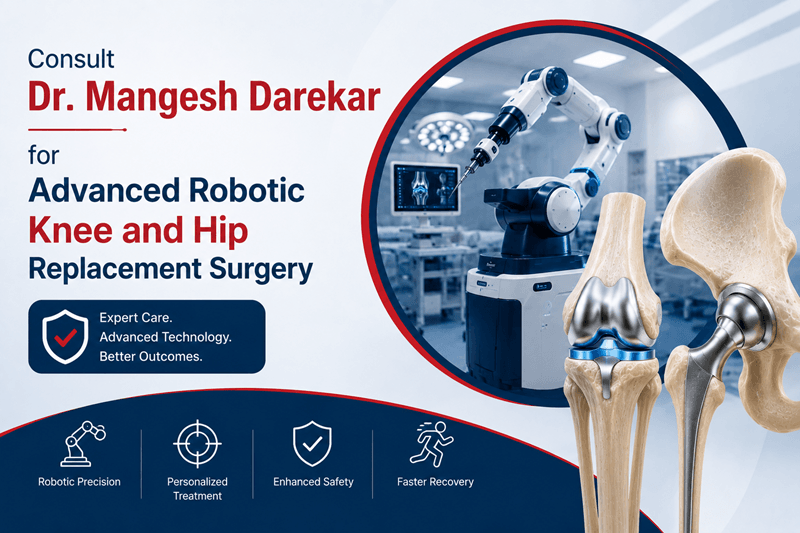
Why Consult Dr. Mangesh Darekar for Joint Replacement in Pune?
Patients seeking an orthopaedic consultation in Pune can contact Darekar Superspeciality Hospital and Robotic Joint Replacement Centre to enquire about knee and hip joint assessment and replacement options.
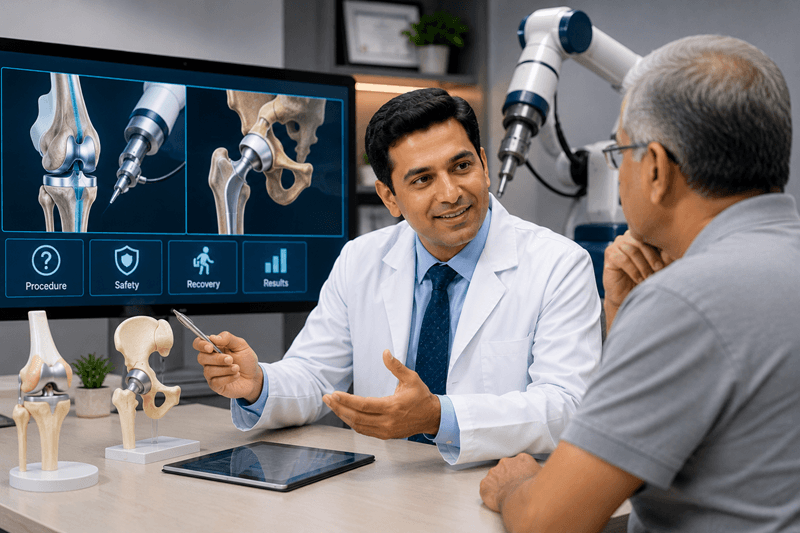
Dr. Mangesh Darekar and the hospital team can be contacted to discuss symptoms, assessment requirements, and possible treatment pathways. Patients considering surgery should ask about the recommended procedure, the role of robotic assistance in their particular case, potential risks, costs, and the rehabilitation plan.
The most appropriate treatment depends on an individual clinical assessment. A consultation can help determine whether joint replacement is appropriate and whether robotic-assisted or conventional surgery should be considered.
Hospital: Darekar Superspeciality Hospital and Robotic Joint Replacement Centre
Address: 2nd Floor, Shivpushpa Landmark, Sinhagad Road, Sun City Road, above Bharti Bazaar, Pune, Maharashtra 411041
Phone: +91 97669 55988
Website: https://www.roboticjointreplacementpune.com/
Conclusion
Advanced robotic joint replacement combines orthopaedic surgical expertise with technology that may support digital planning, measurements, navigation, and instrument guidance during selected knee and hip replacement procedures. These tools can provide additional information to the surgeon, but they do not replace clinical judgement or guarantee superior outcomes for every patient.
People living with persistent knee or hip pain should begin with a proper orthopaedic evaluation. Understanding the diagnosis, comparing suitable treatment options, discussing the specific technology available, and following a personalised rehabilitation plan are important steps toward informed treatment decisions.
Medical disclaimer: This article is for general educational purposes only and does not replace professional medical advice, diagnosis, or treatment. A qualified healthcare professional should assess each patient's condition and suitability for surgery individually.





.png)
.jpg)