AI Powered Robotic Joint Replacement Surgeon in Pune
Joint pain, stiffness and reduced mobility can affect everyday activities such as walking, climbing stairs, standing for long periods and getting up from a chair. When joint damage becomes severe and non-surgical treatments no longer provide adequate relief, joint replacement may be considered.
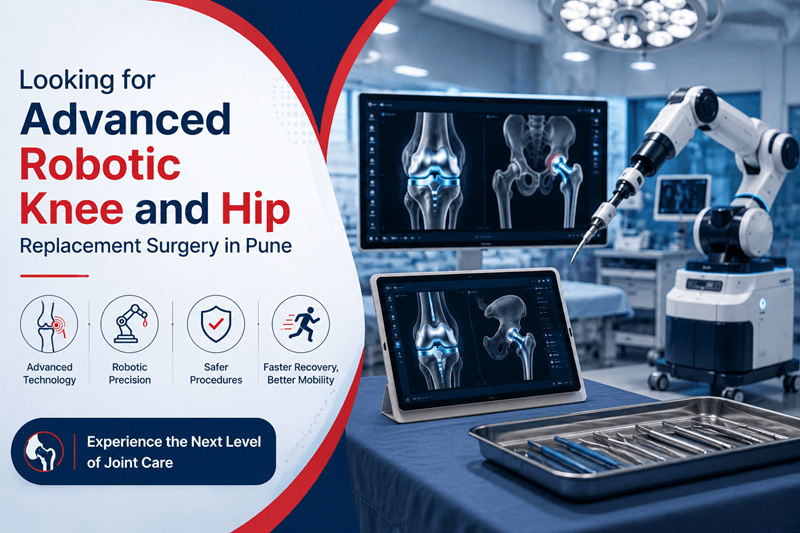
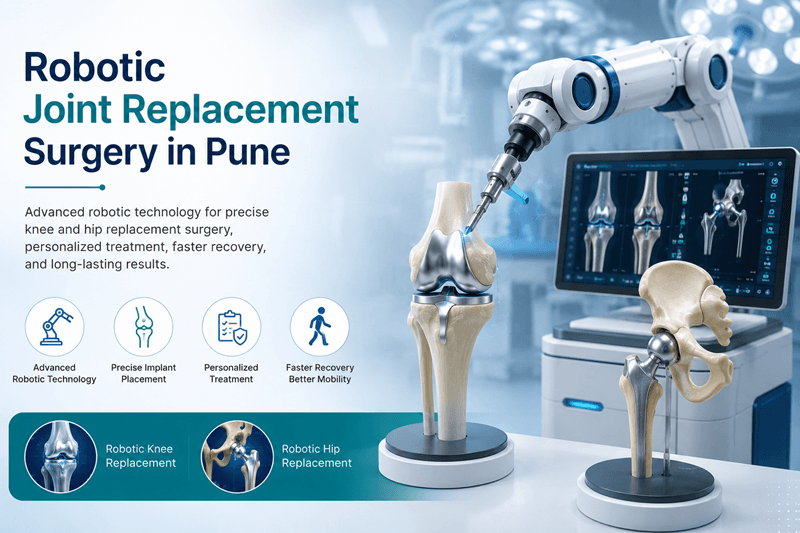
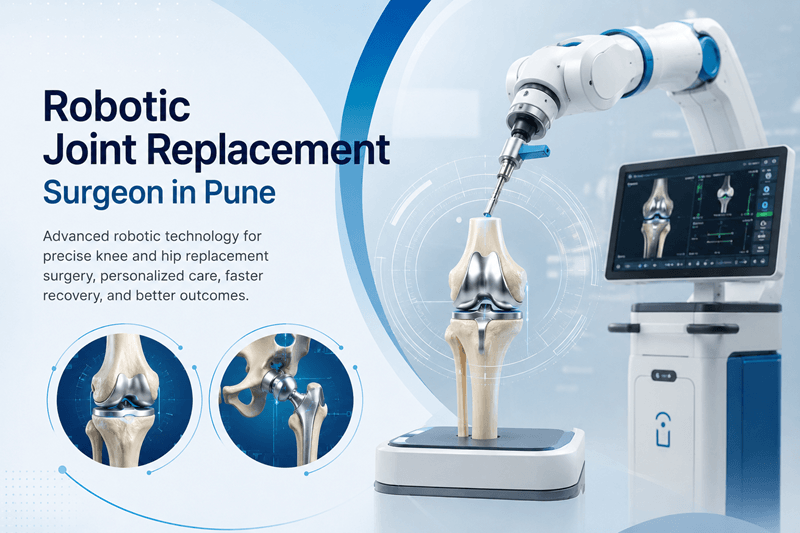
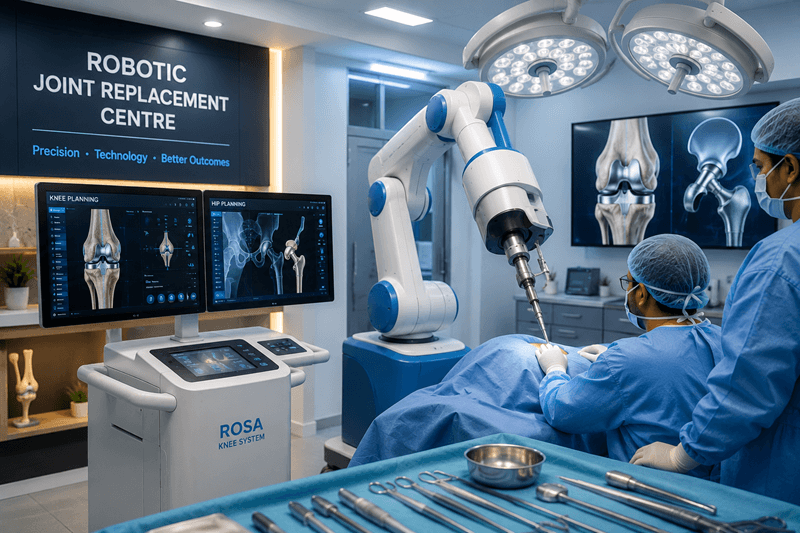
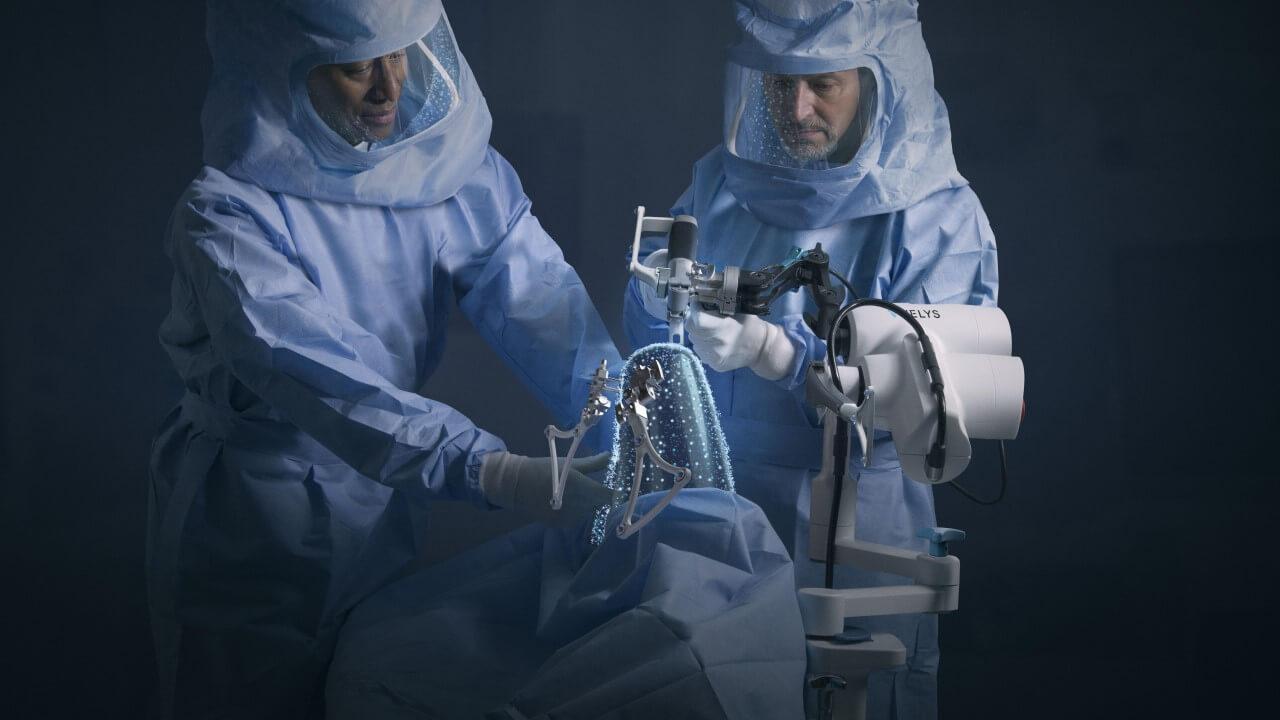
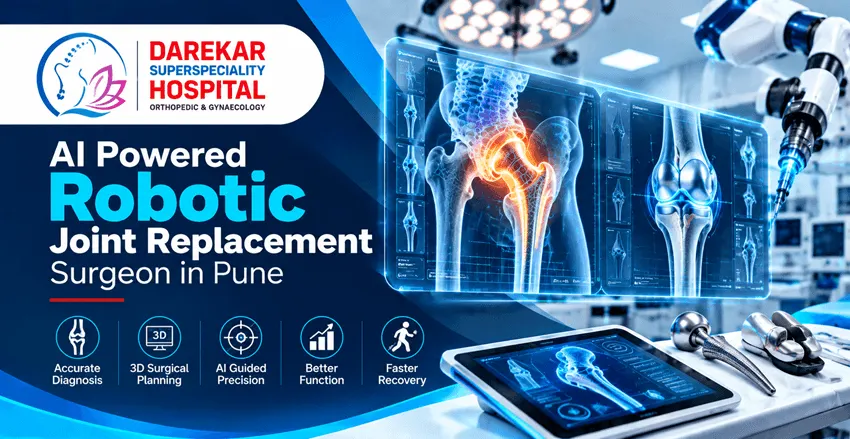
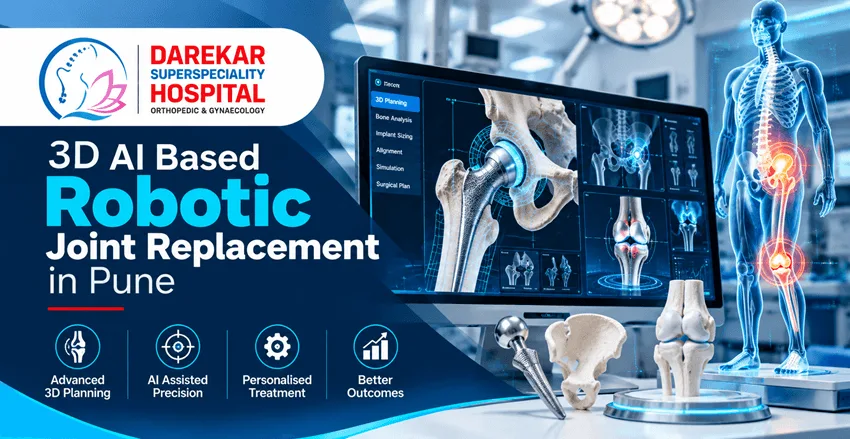
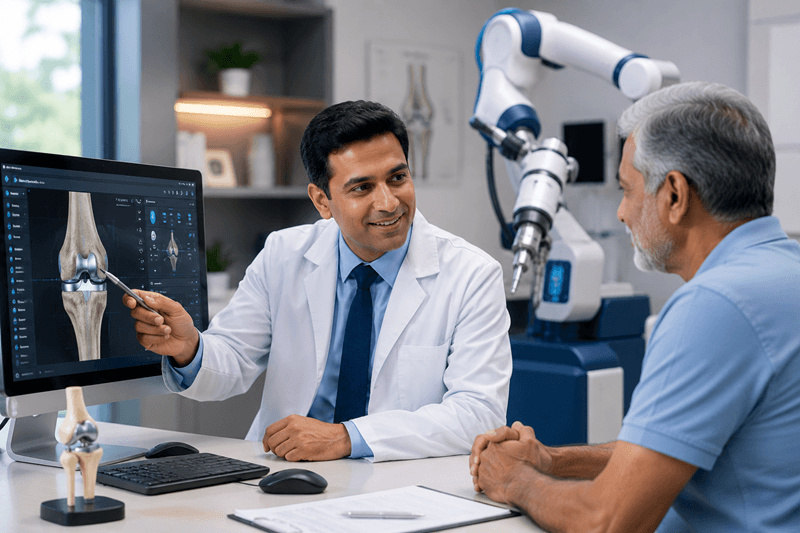
Advances in orthopaedic technology have introduced robotic-assisted joint replacement, combining a surgeon's clinical expertise with computer-based planning and robotic guidance. Depending on the system used, this technology may help the surgeon assess joint anatomy, plan implant positioning and guide selected stages of surgery.
If you are searching for an AI Powered Robotic Joint Replacement Surgeon in Pune, it is important to understand how the technology works, which conditions may require joint replacement, what potential benefits and limitations exist, and how recovery is managed.
What Is AI-Powered Robotic Joint Replacement?
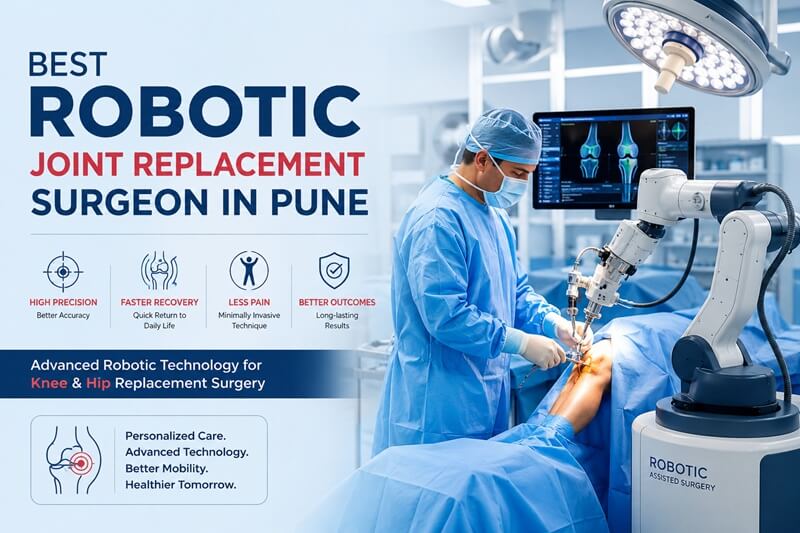
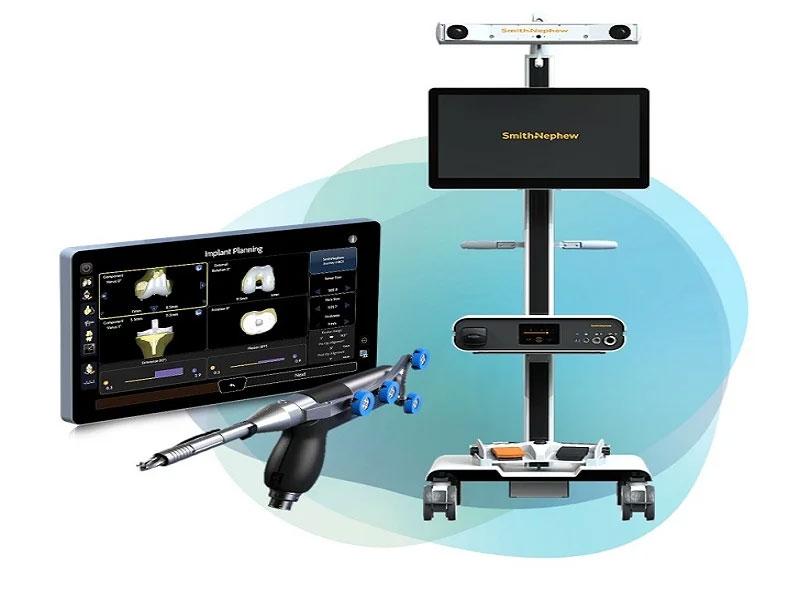
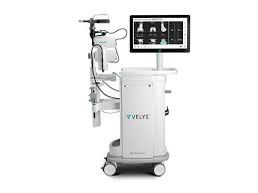
AI-powered robotic joint replacement generally refers to joint replacement surgery supported by digital planning tools, computer-assisted navigation or a robotic surgical system. The precise capabilities differ between systems, and not every robotic platform uses artificial intelligence in the same way.
In procedures such as knee and hip replacement, technology may help the surgeon assess a patient's anatomy and plan selected aspects of the operation. Some systems provide real-time guidance or feedback during surgery.
The surgeon remains responsible for diagnosing the condition, deciding whether surgery is appropriate and performing the operation. Robotic technology assists the surgeon; it does not independently perform the entire procedure.
How Does Robotic-Assisted Joint Replacement Work?
The process generally involves clinical assessment, surgical planning, the operation itself and postoperative rehabilitation. The exact steps depend on the joint being treated, the patient's condition and the robotic system available.
1. Joint Evaluation and Diagnosis
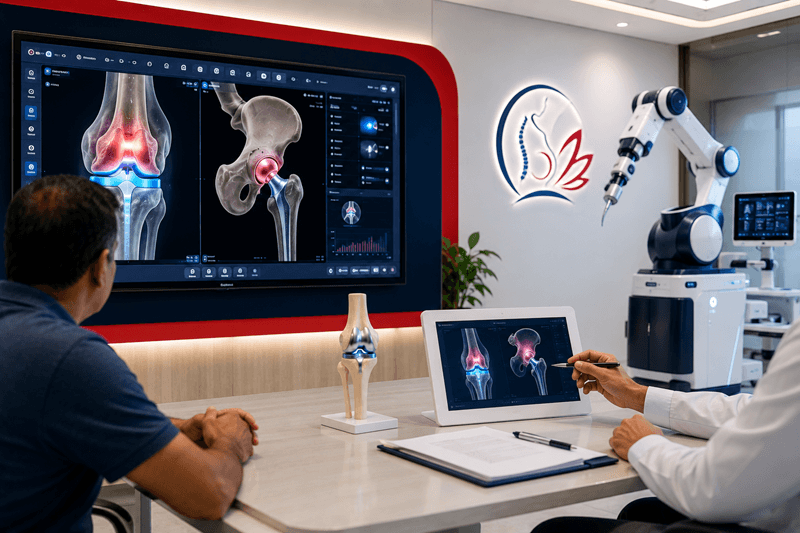
The surgeon reviews the patient's symptoms, medical history, physical examination and relevant imaging. This helps establish the cause and severity of joint damage and determine whether joint replacement is appropriate.
2. Digital or Computer-Assisted Planning
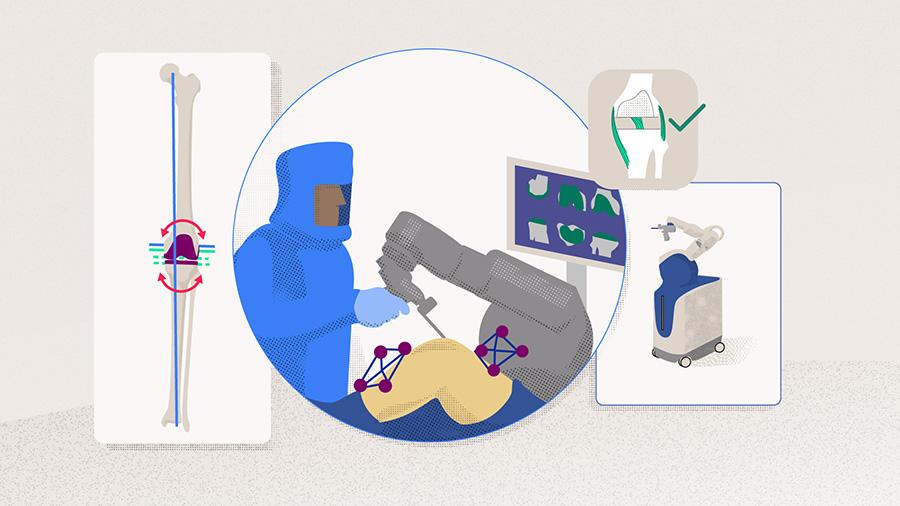
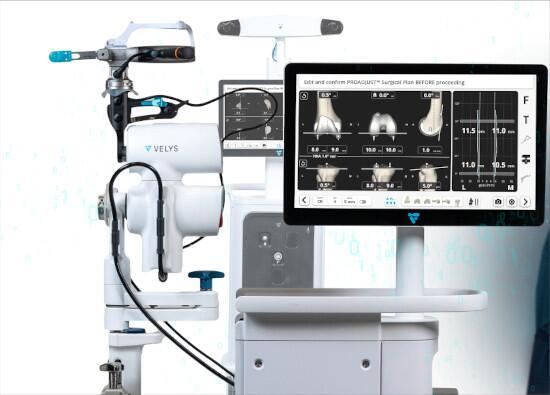
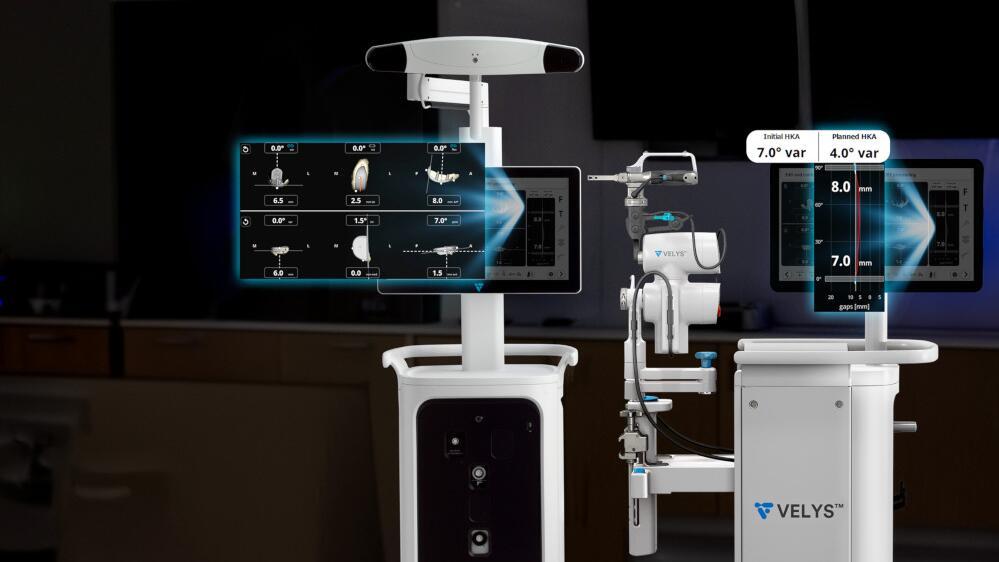
Depending on the platform, the surgeon may use medical imaging, anatomical measurements or information collected during surgery to plan selected aspects of the procedure. Some systems support three-dimensional planning of the joint and implant positioning.
3. Personalised Surgical Planning
The surgeon reviews the proposed implant size, position and alignment in relation to the patient's anatomy and the intended surgical procedure. The final plan depends on clinical judgement and the capabilities of the system.
4. Robotic-Assisted Surgery
During surgery, the surgeon operates the robotic system and uses its available guidance or feedback. Depending on the platform, it may assist with navigation, bone preparation or assessment of planned surgical parameters.
5. Postoperative Monitoring and Rehabilitation
After surgery, the care team monitors the patient and provides instructions for wound care, pain management, safe movement, physiotherapy and follow-up appointments.
Which Joint Replacement Procedures May Use Robotic Assistance?
Robotic technology is available for selected orthopaedic procedures. The exact procedures offered depend on the hospital's equipment, the surgeon's training and the patient's clinical needs.
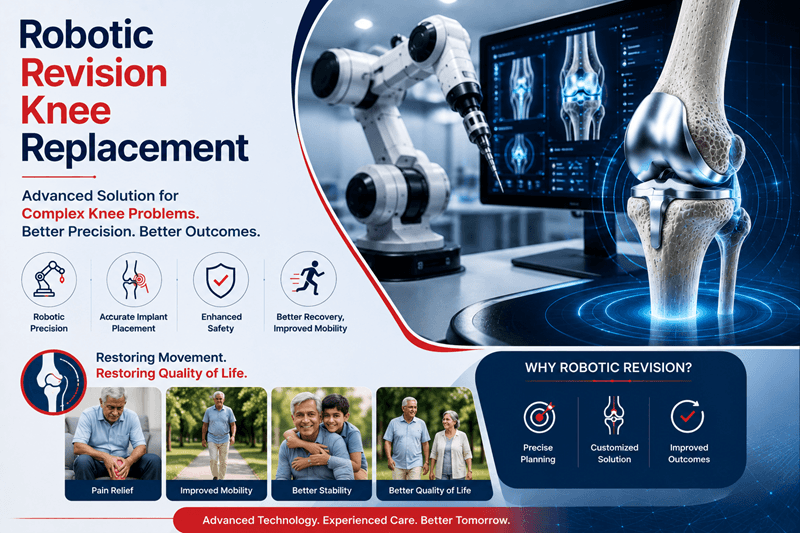
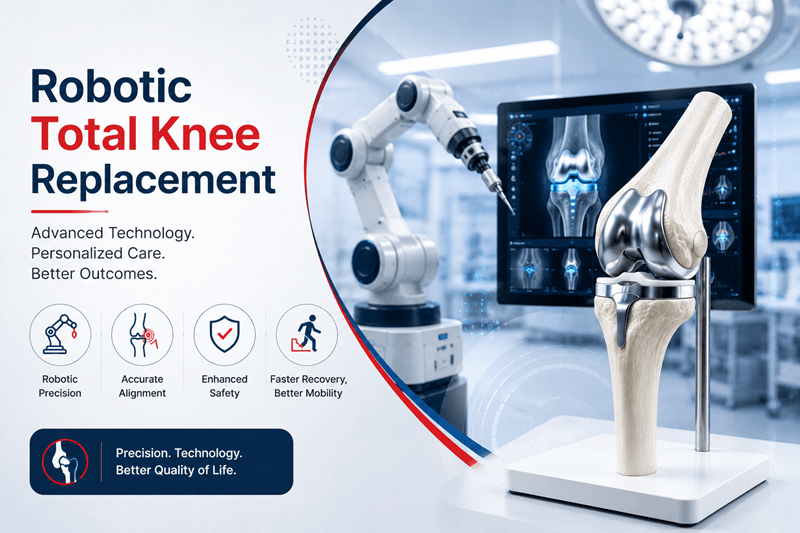
Robotic Knee Replacement
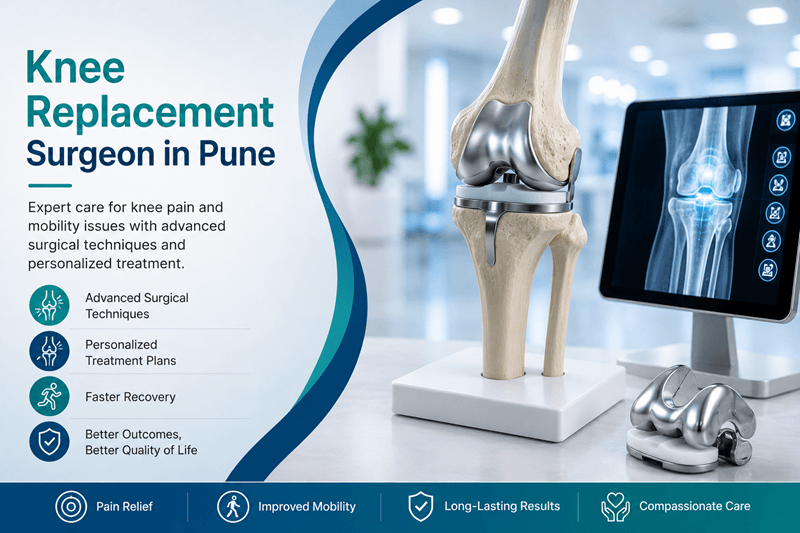
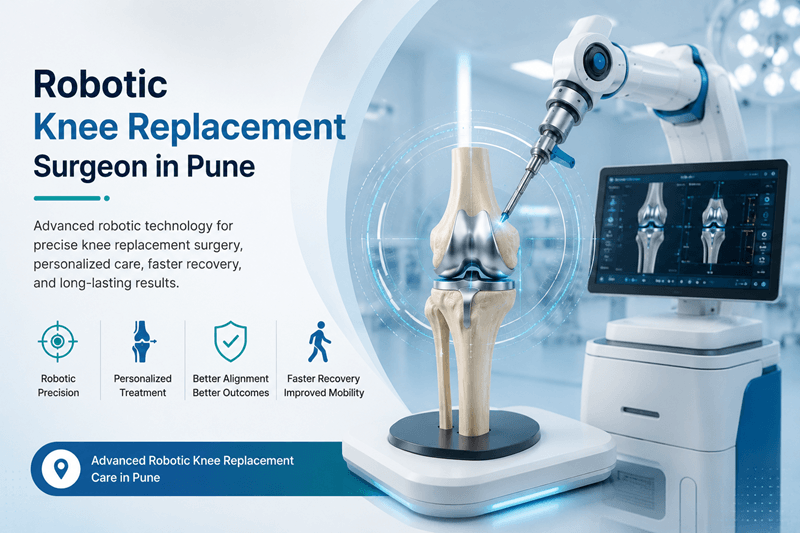
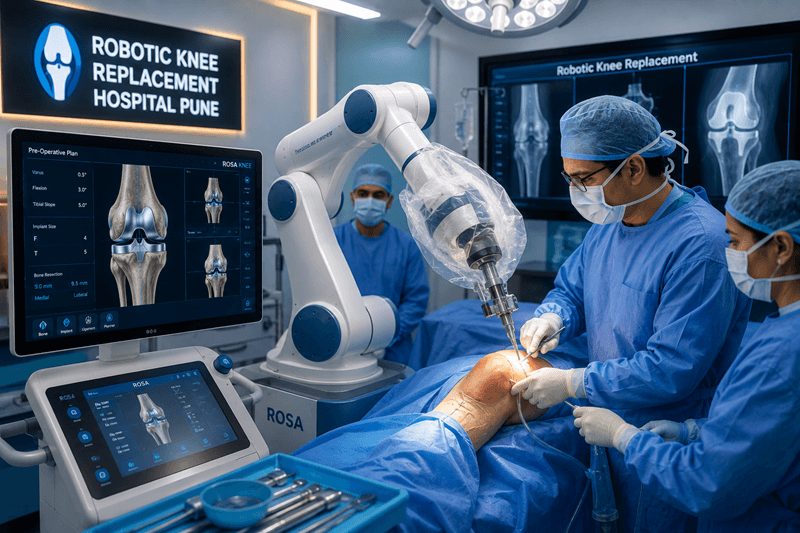
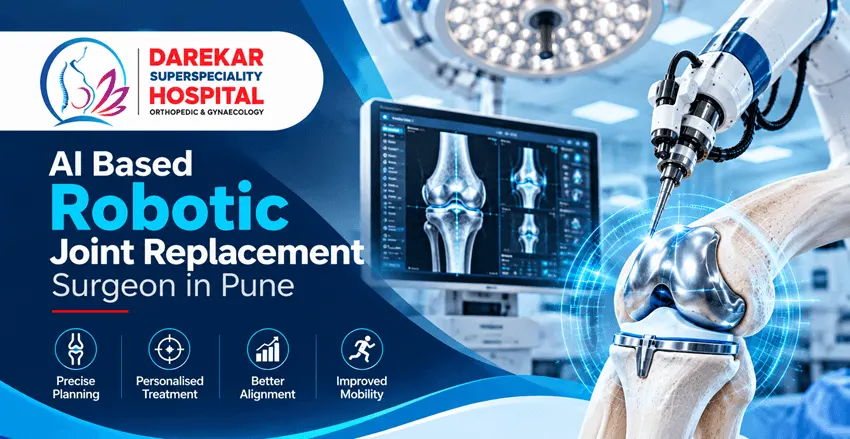
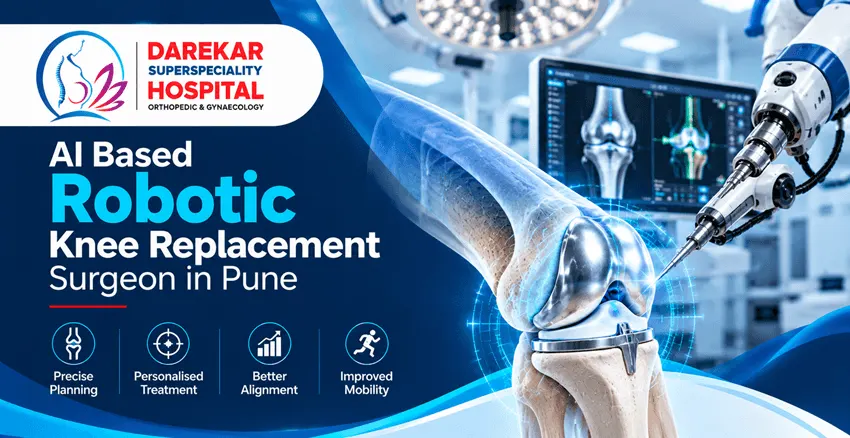
Knee replacement may be considered for patients with severe knee joint damage, often due to osteoarthritis. Depending on the system and diagnosis, robotic assistance may be used during total or partial knee replacement to support planning and surgical guidance.
Robotic Hip Replacement
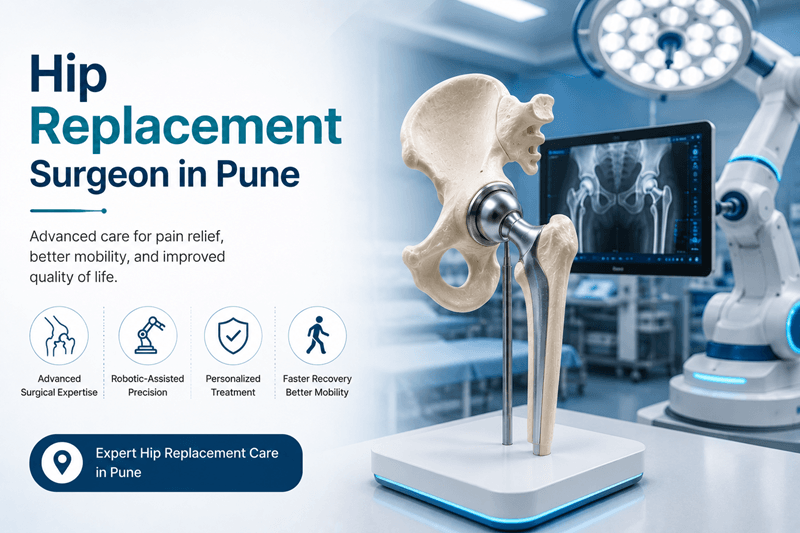
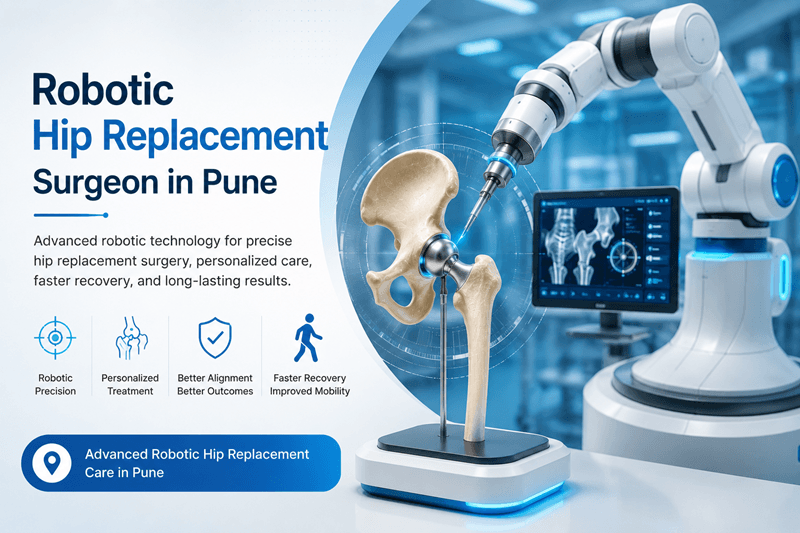
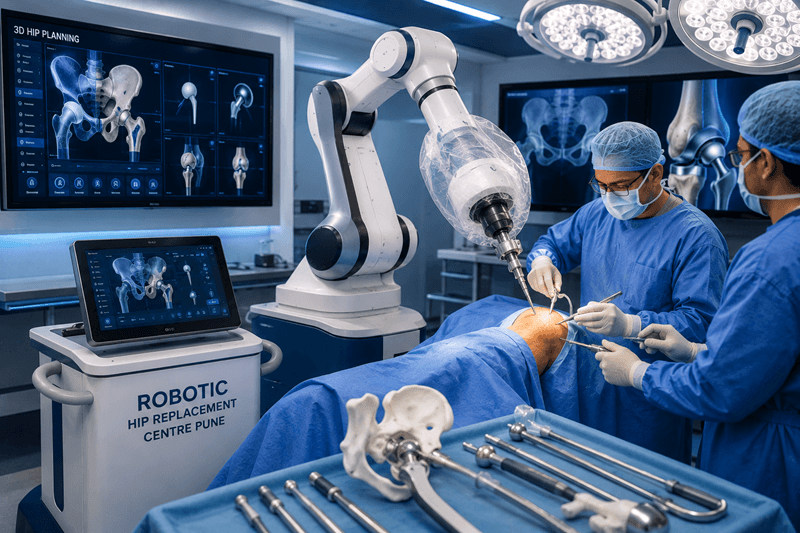
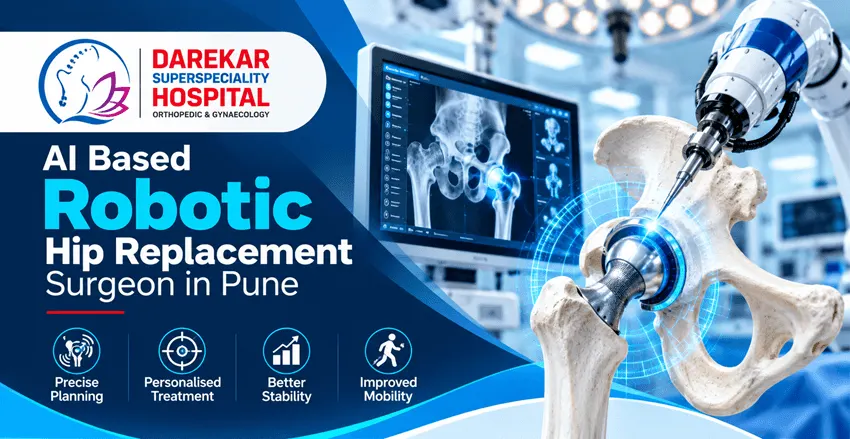
Hip replacement may be considered when severe arthritis or other joint damage causes persistent pain and limits daily activities. Some robotic systems support planning and assessment of implant positioning during hip replacement.
Other Selected Orthopaedic Procedures
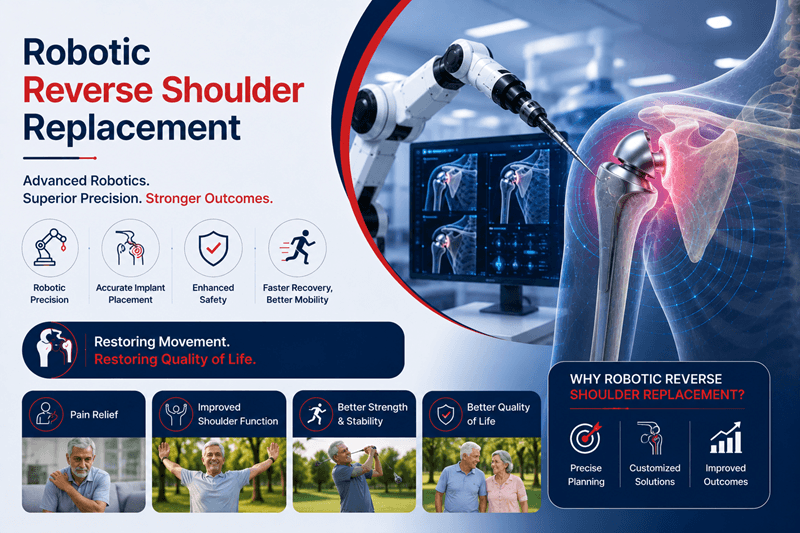
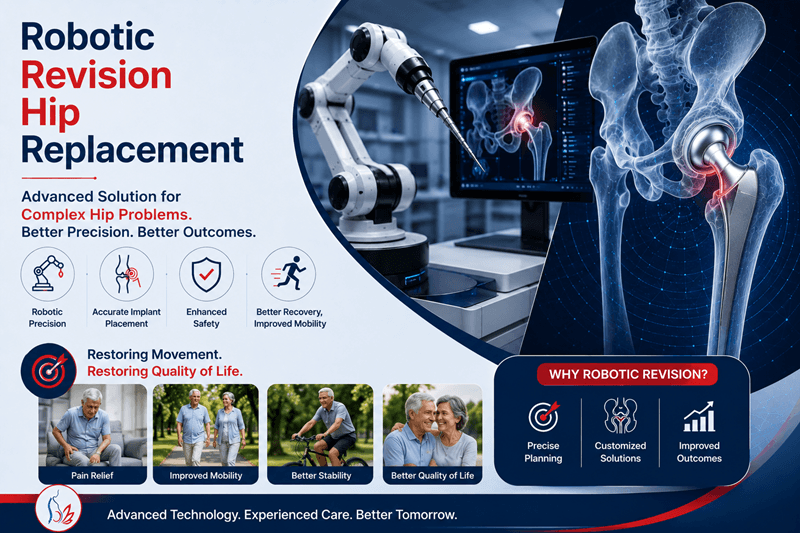
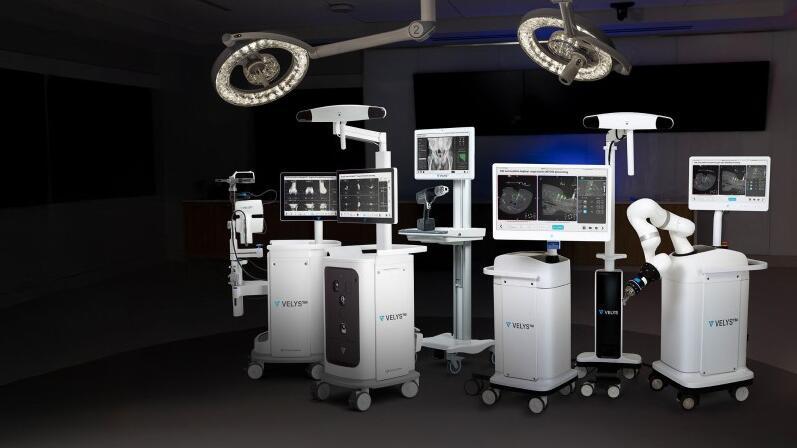
Certain robotic or computer-assisted platforms are designed for additional orthopaedic procedures. Their availability should be confirmed directly with the treating hospital. Not every robotic system is suitable for every joint or operation.
Who May Need Robotic-Assisted Joint Replacement?
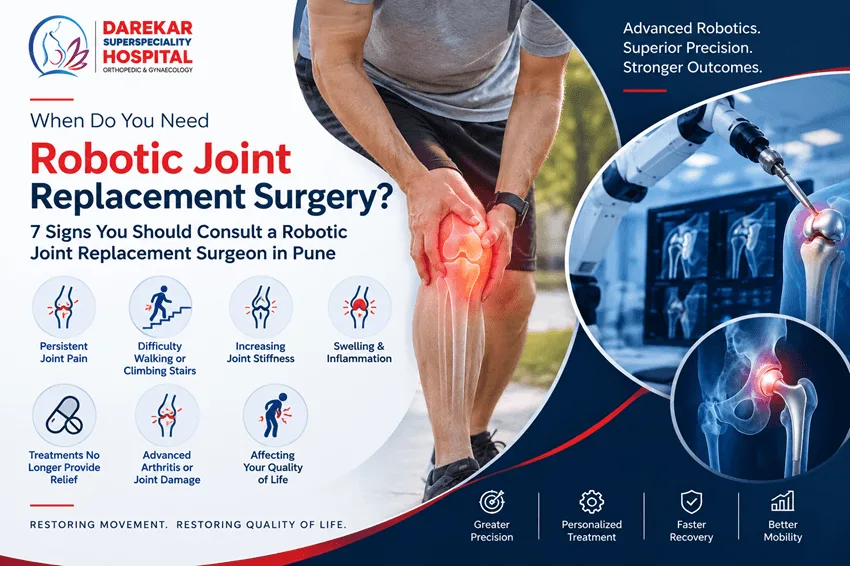
Robotic-assisted joint replacement may be considered for patients who are suitable candidates for joint replacement surgery. The decision depends on symptoms, the degree of joint damage, examination findings, imaging, general health and the surgeon's assessment.
Conditions that may lead to consideration of joint replacement include:
Osteoarthritis: Damage and wear of joint cartilage that may cause pain, stiffness and restricted movement.
Rheumatoid arthritis: An inflammatory disease that can damage joint structures.
Advanced joint degeneration: Severe damage that interferes with walking, standing or other everyday activities.
Selected joint deformities: Some patients may require detailed planning because of anatomical variations or deformity.
Certain injuries or fractures: In selected cases, joint replacement may be considered depending on the location and severity of the injury.
Joint replacement is not necessary for everyone with joint pain. Depending on the diagnosis, non-surgical options may include medication, physiotherapy, activity modification, walking aids or other appropriate treatments.
Potential Benefits of AI-Powered Robotic Joint Replacement
Computer-assisted planning and robotic guidance may offer useful support during selected joint replacement procedures. Potential advantages depend on the system, the surgeon's experience and the patient's individual condition.
Possible advantages include:
Detailed surgical planning: Digital tools may help the surgeon evaluate joint anatomy and plan selected steps before surgery.
Implant positioning guidance: Some systems provide information or guidance about implant size, position and alignment.
Patient-specific assessment: Planning tools may help account for anatomical differences between patients.
Intraoperative feedback: Certain platforms provide information during surgery to assist the surgeon in evaluating planned parameters.
Structured surgical execution: Robotic tools may help the surgeon carry out selected parts of the planned procedure within the system's capabilities.
These are potential advantages, not guaranteed outcomes. Robotic assistance does not automatically mean less pain, fewer complications, faster recovery or a longer-lasting implant for every patient. Outcomes also depend on the diagnosis, surgical technique, general health and rehabilitation.
AI-Powered Robotic Surgery vs Conventional Joint Replacement
Both conventional and robotic-assisted joint replacement aim to reduce pain and improve function when a damaged joint requires surgery. The main difference is the use of computer-assisted planning, navigation or robotic guidance during selected stages of the robotic-assisted procedure.
Robotic-Assisted Joint Replacement
May use digital planning, computer navigation and robotic guidance.
Can provide additional information about anatomy or implant positioning, depending on the system.
Requires compatible equipment and appropriate patient selection.
May involve additional planning, imaging or costs.
Conventional Joint Replacement
Relies on the surgeon's training, experience and clinical judgement.
Uses established surgical instruments and techniques.
May also use medical imaging and other planning tools.
Can provide good outcomes when performed for appropriate indications.
Neither approach is automatically the best choice for every patient. Your surgeon can explain whether robotic assistance is suitable for your condition and compare the expected benefits, risks, alternatives and costs.
Is AI-Powered Robotic Joint Replacement Safe?
Joint replacement is an established surgical treatment, but complications can occur with both robotic-assisted and conventional procedures. Individual risks depend on the patient's health, the operation being performed and postoperative care.
Possible complications include:
Infection
Blood clots
Bleeding
Persistent pain or stiffness
Implant positioning or stability problems
Fracture around the implant
Nerve or blood vessel injury
Implant wear or loosening
Need for further surgery
Anaesthesia-related complications
Depending on the robotic system, additional imaging or temporary navigation pins may be required. Robotic assistance does not eliminate surgical risks. Ask your surgeon about the risks relevant to your procedure and medical history.
Recovery After Robotic Joint Replacement
Recovery depends on which joint is treated, the type of surgery, the patient's general health and progress with rehabilitation. The use of robotic assistance alone cannot predict how quickly a patient will recover.
Early Recovery
The care team monitors the patient after surgery and provides guidance on pain management, wound care and safe movement. Standing or walking with support may begin when medically appropriate.
Physiotherapy and Rehabilitation
Rehabilitation may include walking practice, joint movement exercises, muscle strengthening and guidance on performing daily activities safely. The plan is tailored to the procedure and the patient's progress.
Returning to Daily Activities
The time required to return to work, driving, household activities or exercise varies from person to person. Follow the instructions provided by your surgeon and physiotherapist rather than relying on a fixed recovery timeline.
Contact your medical team if you develop concerning symptoms such as fever, increasing wound redness or drainage, sudden worsening pain or new leg swelling. Sudden chest pain or breathlessness requires emergency medical attention.
How to Choose an AI-Powered Robotic Joint Replacement Surgeon in Pune
When choosing a surgeon or hospital, consider the quality of clinical assessment and follow-up care as well as the technology available.
Questions worth asking include:
What is causing my joint pain, and do I need joint replacement?
What non-surgical and surgical options are appropriate for my condition?
Which robotic system is used, and what functions does it support?
Is robotic assistance suitable for my anatomy and diagnosis?
What benefits and risks should I expect in my individual case?
What is included in the treatment cost?
What rehabilitation and follow-up arrangements are available?
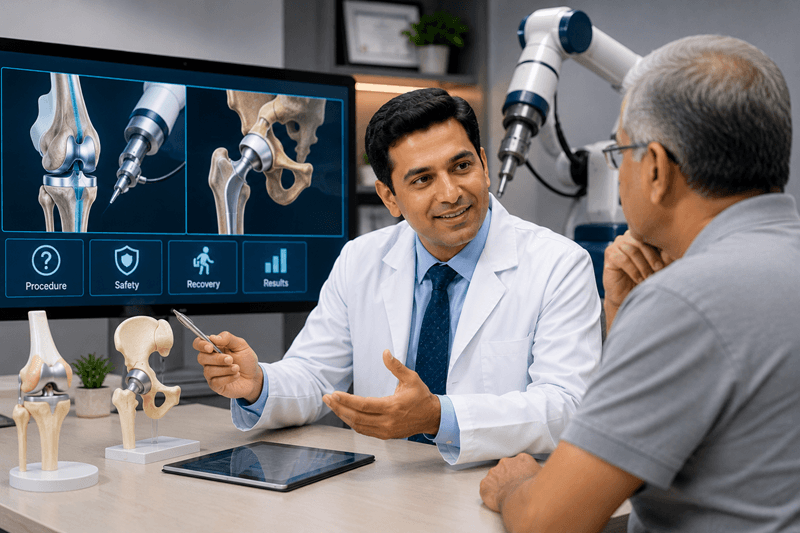
A detailed consultation can help you understand your options and make a decision based on your individual needs rather than technology alone.
Why Choose Dr. Mangesh Darekar?
Dr. Mangesh Darekar is associated with Darekar Superspeciality Hospital and Robotic Joint Replacement Centre in Pune. Patients experiencing persistent knee or hip pain can discuss their symptoms, examination findings and available treatment options with the orthopaedic team.
The appropriate treatment plan should be based on the patient's diagnosis, joint condition, general health and the expected benefits and risks of the proposed procedure. The suitability of robotic assistance and the features available should be confirmed during consultation.
Before deciding on surgery, ask about relevant surgical experience, the proposed procedure, the technology being used, rehabilitation arrangements, follow-up care and costs. This information helps patients make an informed decision.
Book a Consultation for Robotic Joint Replacement in Pune
If joint pain, stiffness or reduced mobility is affecting your daily routine, an orthopaedic assessment can help identify the cause and determine the appropriate treatment.
Darekar Superspeciality Hospital and Robotic Joint Replacement Centre
2nd Floor, Shivpushpa Landmark, Sinhagad Road, Sun City Road, above Bharti Bazaar, Pune, Maharashtra 411041.
Phone: +91 97669 55988
Contact the hospital to enquire about a consultation and discuss whether joint replacement and robotic assistance may be appropriate for your condition.
Conclusion
AI-powered robotic joint replacement combines orthopaedic surgical expertise with digital planning and technology-assisted guidance during selected stages of surgery. It may be suitable for certain patients with advanced joint damage, but it is not necessary or superior for everyone.
If you are looking for an AI Powered Robotic Joint Replacement Surgeon in Pune, focus on an accurate diagnosis, an individualised treatment plan, a clear explanation of the available options and appropriate rehabilitation. A consultation with an orthopaedic surgeon can help you decide on the next step.




.png)
.jpg)