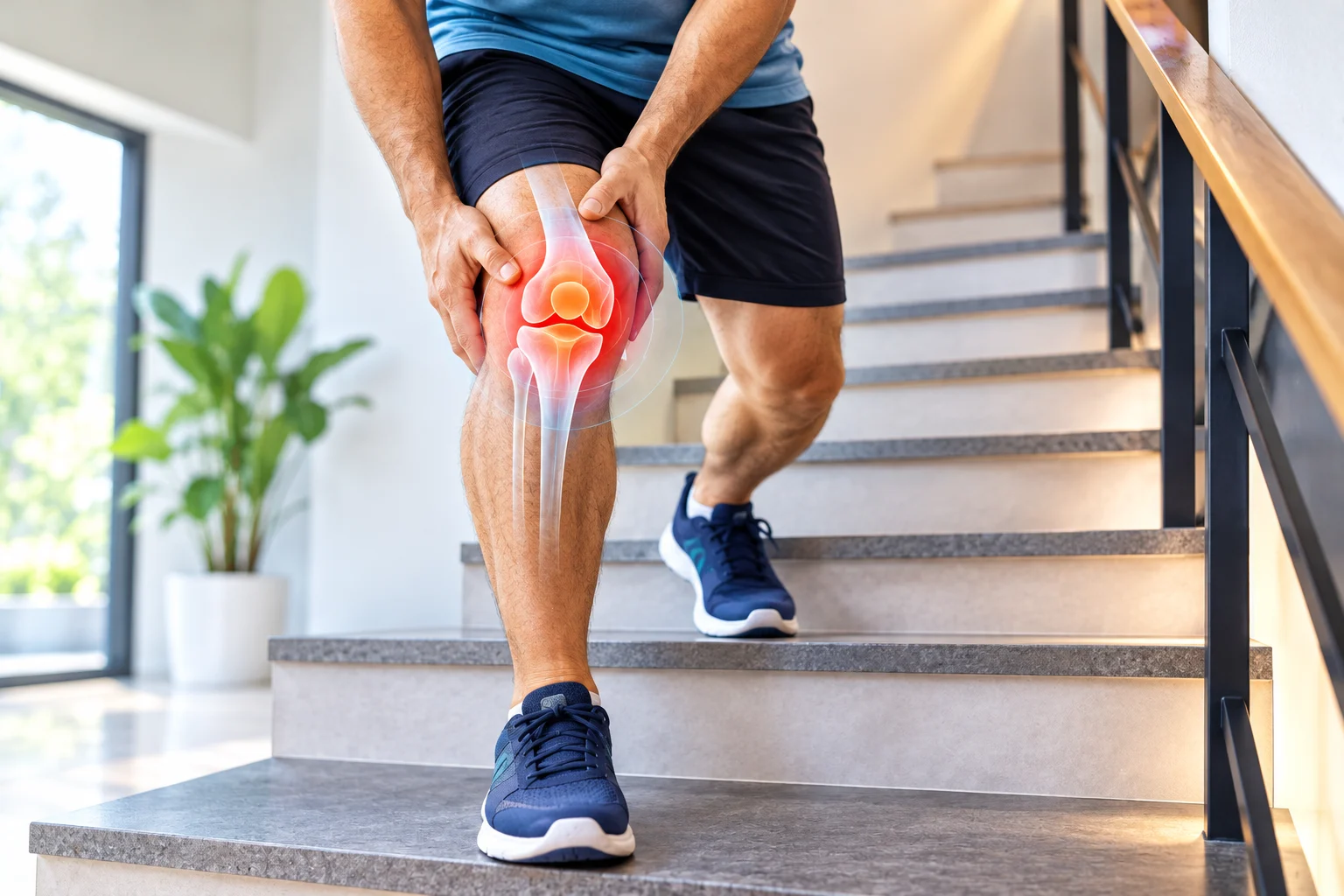
<h2>Severe Knee Pain While Walking: When to See an Orthopedic Surgeon</h2> <p>Severe knee pain while walking can make everyday activities such as going to the market, climbing stairs, standing for long periods, or taking a morning walk increasingly difficult. While occasional discomfort may improve with rest, persistent or severe knee pain should not be ignored.</p> <p>The knee joint supports body weight and helps maintain balance and mobility. Problems affecting the cartilage, ligaments, meniscus, or surrounding structures can cause pain and difficulty walking. In older adults, knee osteoarthritis is a common cause of persistent knee pain.</p> <p>If you are experiencing severe knee pain while walking, understanding its possible causes and knowing when to consult an orthopedic surgeon can help you take the next step towards appropriate treatment.</p> <h2>What Causes Severe Knee Pain While Walking?</h2> <p>Several conditions can cause knee pain during walking. The correct diagnosis depends on your symptoms, medical history, and physical examination.</p> <h3>1. Knee Osteoarthritis</h3> <p>Knee osteoarthritis occurs when the protective cartilage within the knee joint gradually deteriorates. This can cause pain, stiffness, swelling, and difficulty moving the joint.</p> <p>Common symptoms include:</p> <ul> <li>Knee pain during walking or standing.</li> <li>Stiffness after sitting for a long time.</li> <li>Difficulty climbing or descending stairs.</li> <li>Swelling around the knee.</li> <li>Reduced walking distance due to discomfort.</li> </ul> <p>Osteoarthritis becomes more common with age, although previous injuries, excess body weight, and other factors can contribute to its development.</p> <h3>2. Meniscus Injury</h3> <p>The meniscus is cartilage that cushions the knee joint. A tear may occur following a twisting injury or through age-related degeneration. Symptoms may include pain, swelling, catching sensations, or difficulty fully bending or straightening the knee.</p> <h3>3. Ligament Injury</h3> <p>Ligaments help stabilise the knee joint. An injury to a ligament may cause pain, swelling, instability, or a feeling that the knee is giving way. Ligament injuries can occur during sports, falls, accidents, or sudden twisting movements.</p> <h3>4. Inflammation and Other Joint Conditions</h3> <p>Inflammatory arthritis, bursitis, tendon problems, and other joint conditions can also cause knee pain. Pain that begins suddenly or is accompanied by significant swelling, redness, or warmth requires prompt medical evaluation.</p> <h2>When Should You See an Orthopedic Surgeon for Knee Pain?</h2> <p>You should consider consulting an orthopedic surgeon if:</p> <ul> <li>Knee pain continues for several days without improvement or keeps returning.</li> <li>Walking becomes difficult because of pain.</li> <li>You experience repeated knee swelling.</li> <li>Your knee feels unstable or gives way.</li> <li>You have difficulty bending or straightening your knee.</li> <li>Knee pain regularly interrupts sleep or daily activities.</li> <li>Pain persists despite appropriate initial treatment.</li> </ul> <p><strong>Seek urgent medical attention</strong> if you cannot bear weight on the affected leg, have severe pain after an injury, notice a significant deformity, or develop a hot, red, swollen knee with fever.</p> <h2>How Is Severe Knee Pain Diagnosed?</h2> <p>An orthopedic surgeon may recommend the following assessments depending on your symptoms.</p> <h3>Clinical Examination</h3> <p>The doctor evaluates tenderness, swelling, range of motion, joint stability, and walking pattern.</p> <h3>X-rays</h3> <p>X-rays may help identify osteoarthritis, changes in joint space, bone abnormalities, or fractures.</p> <h3>MRI and Other Investigations</h3> <p>When indicated, an MRI can help assess the meniscus, ligaments, cartilage, and other soft tissues. Additional investigations may be needed if infection or inflammatory arthritis is suspected.</p> <p>Not every patient requires every investigation. The assessment is tailored to the suspected cause of the pain.</p> <h2>Treatment Options for Severe Knee Pain</h2> <p>Treatment depends on the underlying condition, its severity, your general health, and your mobility needs.</p> <h3>1. Non-Surgical Treatment</h3> <p>For many patients, treatment may initially include:</p> <ul> <li>Activity modification and temporary reduction of painful activities.</li> <li>Physiotherapy and strengthening exercises.</li> <li>Weight management when appropriate.</li> <li>Medicines prescribed by a healthcare professional.</li> <li>Walking aids when recommended.</li> <li>Selected injections after discussing their potential benefits and limitations.</li> </ul> <p>Avoid prolonged inactivity unless advised by your doctor. Appropriate movement and strengthening can help maintain joint function.</p> <h3>2. When Is Knee Replacement Considered?</h3> <p>Knee replacement may be considered when severe osteoarthritis or other significant joint damage causes persistent pain and functional limitations despite appropriate non-surgical treatment.</p> <p>Robotic-assisted knee replacement is an option for selected patients. Robotic technology assists the surgeon with surgical planning and execution, but it does not independently perform the operation or guarantee a particular outcome.</p> <h2>Why Choose Dr. Mangesh Darekar for Knee Pain Treatment in Pune?</h2> <p>If persistent knee pain is affecting your mobility, an orthopedic consultation can help identify the cause and determine the most suitable treatment.</p> <p>Dr. Mangesh Darekar specialises in orthopedic care and joint replacement, including robotic-assisted knee and hip replacement surgery.</p> <p>During a consultation, patients can discuss:</p> <ul> <li>Evaluation of persistent knee pain and mobility problems.</li> <li>Assessment of knee arthritis and joint damage.</li> <li>Available non-surgical and surgical treatment options.</li> <li>Suitability for conventional or robotic-assisted knee replacement.</li> <li>Preoperative planning and postoperative rehabilitation.</li> </ul> <p>The recommended treatment should always be based on an individual clinical assessment.</p> <p><strong>Looking for an orthopedic surgeon in Pune?</strong> Contact Dr. Mangesh Darekar to discuss persistent knee pain and available treatment options.</p> <p><strong>Hospital:</strong> Darekar Superspeciality Hospital, Sinhagad Road, Pune</p> <p><strong>Phone:</strong> 97669 55988</p> <p><a href="https://www.roboticjointreplacementpune.com/">Visit the official website for more information.</a></p> <h2>Frequently Asked Questions</h2> <h3>1. Why does my knee hurt when I walk?</h3> <p>Knee pain while walking can result from osteoarthritis, ligament injuries, meniscus tears, tendon problems, inflammation, or other joint conditions. A medical examination can help determine the cause.</p> <h3>2. When should I see an orthopedic surgeon for knee pain?</h3> <p>Consult an orthopedic surgeon if pain persists, repeatedly returns, causes swelling, limits walking, or affects your daily activities. Seek urgent care for severe pain, inability to bear weight, or a hot, swollen knee with fever.</p> <h3>3. Can knee osteoarthritis be treated without surgery?</h3> <p>Yes. Depending on the severity, treatment may include exercise, physiotherapy, weight management, activity modification, and appropriate medication. Some patients with advanced disease may eventually need surgery.</p> <h3>4. Does severe knee pain always require knee replacement?</h3> <p>No. Knee replacement is generally considered when significant joint damage causes persistent symptoms and other appropriate treatments have not provided sufficient relief.</p> <h3>5. Is robotic knee replacement suitable for everyone?</h3> <p>No. Suitability depends on the patient's diagnosis, joint damage, medical condition, and treatment goals. An orthopedic surgeon can explain whether robotic-assisted surgery is appropriate.</p> <h3>6. Who should I consult for severe knee pain in Pune?</h3> <p>You can consult Dr. Mangesh Darekar for an orthopedic assessment and discussion of appropriate treatment options for persistent knee pain.</p> <p><em>Medical disclaimer: This article is intended for general educational purposes and does not replace professional medical advice, diagnosis, or treatment.</em></p>

October 13, 2026
Dr. Mangesh Darekar
Reviewed by Dr. Mangesh Darekar
Severe Knee Pain While Walking: When to See an Orthopedic Surgeon
Severe knee pain while walking can make everyday activities difficult and may indicate knee osteoarthritis, cartilage damage, or another joint problem. Learn about common causes, warning signs, treatment options, and when to consult an orthopedic surgeon. Dr. Mangesh Darekar provides orthopedic consultation for knee pain and joint replacement treatment in Pune.
Frequently Asked Questions
Knee pain while walking can result from osteoarthritis, ligament injuries, meniscus tears, tendon problems, inflammation, or other joint conditions. A medical examination can help determine the cause.
Consult an orthopedic surgeon if pain persists, repeatedly returns, causes swelling, limits walking, or affects your daily activities. Seek urgent care for severe pain, inability to bear weight, or a hot, swollen knee with fever.
Yes. Depending on the severity, treatment may include exercise, physiotherapy, weight management, activity modification, and appropriate medication. Some patients with advanced disease may eventually need surgery.
Follow Us On:
All Posts
Oct 13, 2026
Knee Pain While Climbing Stairs: Causes and T...

Sep 21, 2026
When Do You Need Robotic Joint Replacement Su...

Jul 20, 2026
Recovery After Robotic Joint Replacement Surg...

Jul 15, 2026
Robotic Joint Replacement Cost in Pune
Jul 08, 2026
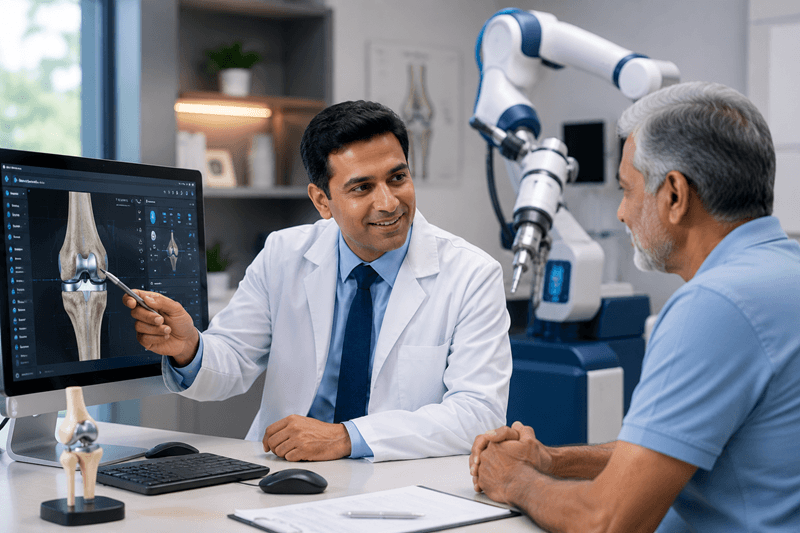
Why Patients Choose Dr. Mangesh Darekar
Jul 01, 2026
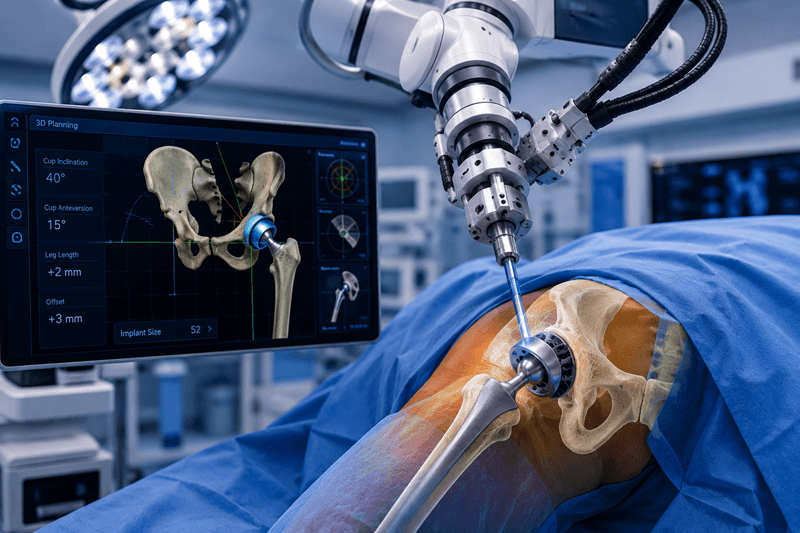
Expertise in Robotic Hip Replacement Surgery
Jun 25, 2026
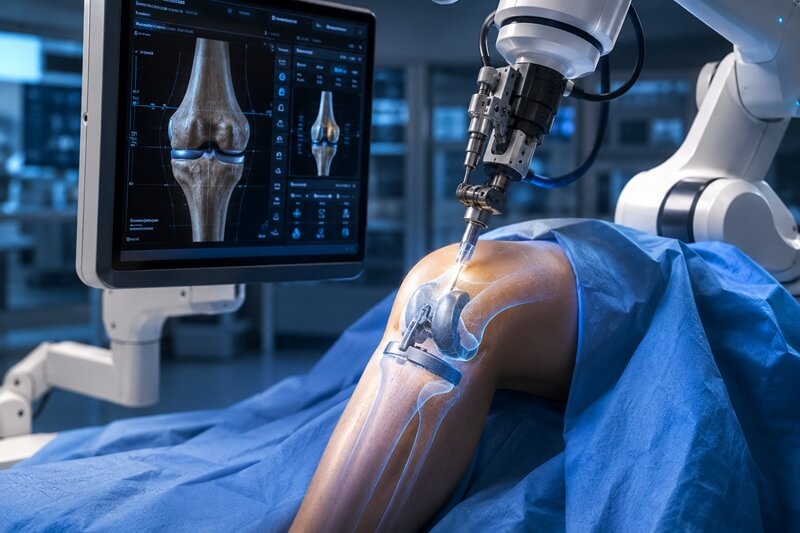
Expertise in Robotic Knee Replacement Surgery

Jun 15, 2026
Best Robotic Joint Replacement Surgeon in Pun...
Jun 15, 2026
Looking for the Best Robotic Joint Replacemen...

Jun 15, 2026