Knee Pain While Climbing Stairs: Causes and Treatment Options
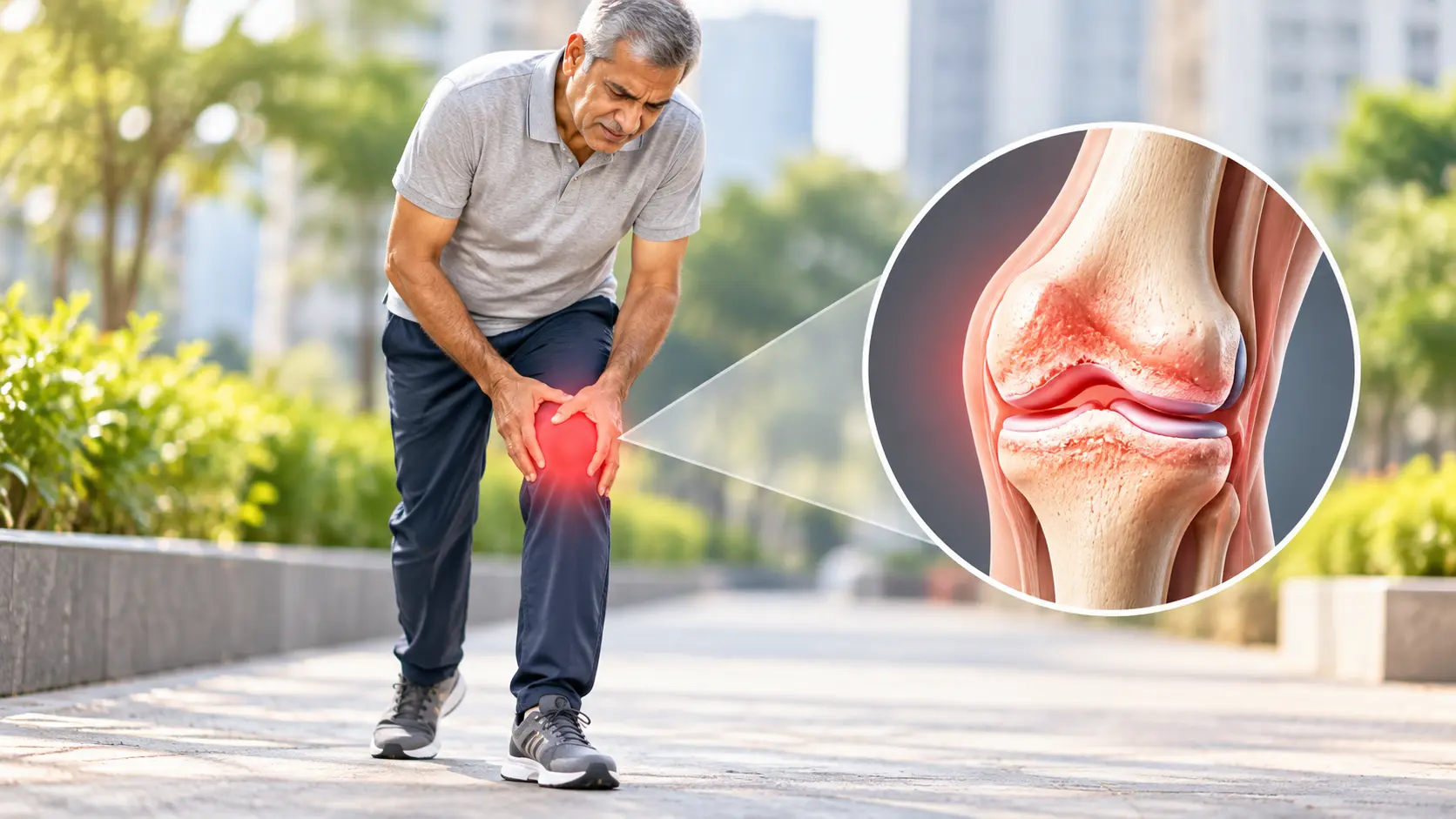
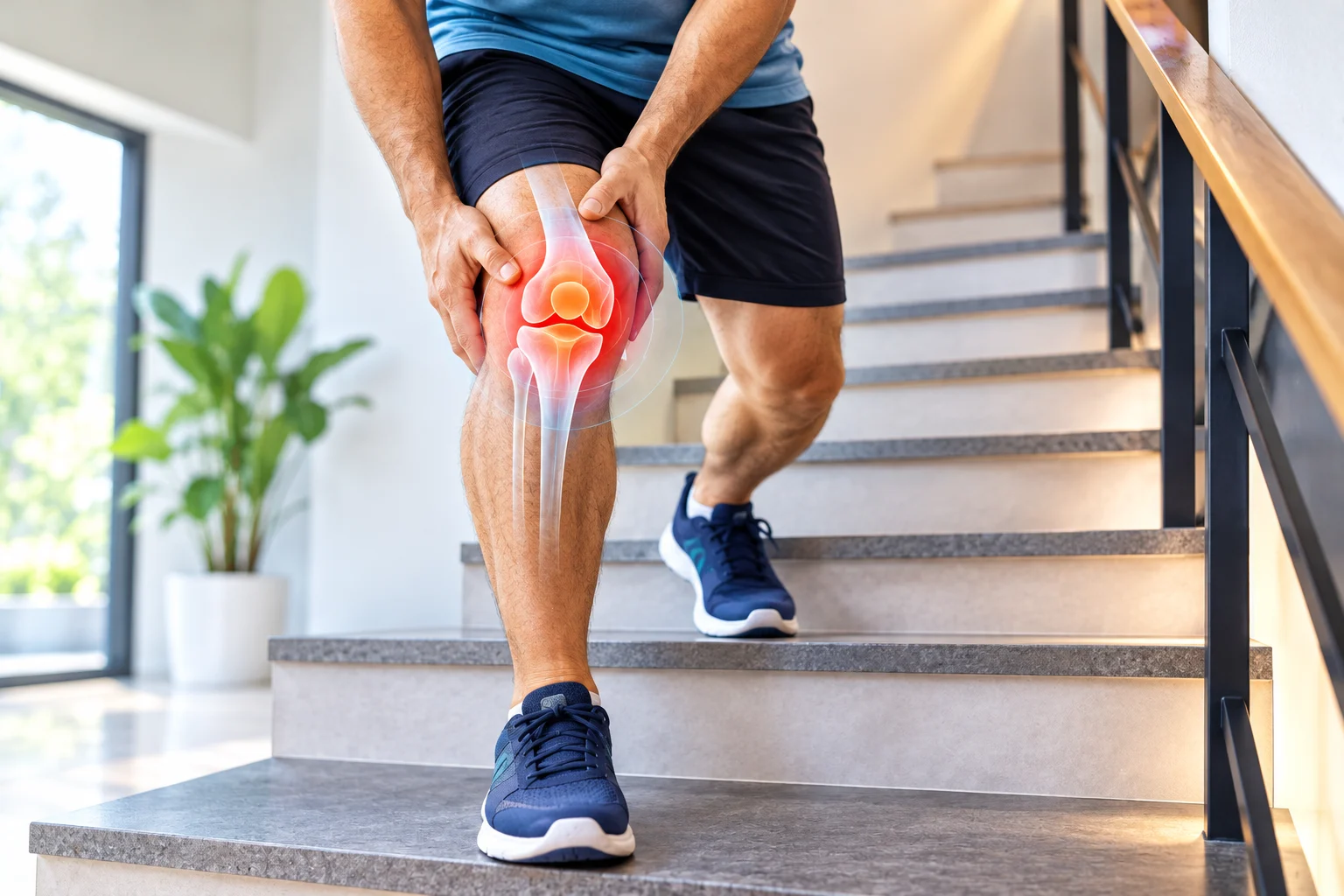
Knee pain while climbing stairs can make everyday activities such as walking upstairs, getting out of a chair or moving around the house uncomfortable. Some people experience pain around the kneecap, while others notice stiffness, swelling or discomfort deep inside the knee joint.
This pain can occur for several reasons, including overuse, muscle weakness, patellofemoral pain syndrome and knee osteoarthritis. Identifying the underlying cause is important because treatment depends on the condition affecting the knee.
If you regularly experience knee pain while climbing stairs, understanding the possible causes and available treatment options can help you decide when to seek professional medical advice.
What Causes Knee Pain While Climbing Stairs?
Climbing stairs requires the knee to bend while supporting body weight. This increases the demands on the muscles and structures around the knee joint. When these structures are irritated, injured or affected by arthritis, stair climbing may become painful.
The following are some common possible causes.
1. Knee Osteoarthritis
Knee osteoarthritis is a condition in which the protective cartilage within the knee joint gradually wears down. It can cause pain, stiffness, swelling and difficulty with activities that place additional demands on the knee.
People with knee osteoarthritis may experience:
- Pain while climbing or descending stairs.
- Stiffness after sitting for a long time.
- Discomfort after prolonged walking or standing.
- Swelling or reduced knee movement.
- Difficulty performing everyday activities.
Osteoarthritis becomes more common with age, although it can affect people at different ages. An orthopedic specialist can assess the symptoms and recommend appropriate treatment.
2. Patellofemoral Pain Syndrome
Patellofemoral pain syndrome causes pain around or behind the kneecap. The discomfort may become more noticeable when bending the knee under load.
Common symptoms include:
- Pain at the front of the knee while climbing stairs.
- Discomfort during squats or lunges.
- Pain after sitting with bent knees for an extended period.
- Discomfort while running or jumping.
Muscle weakness, tightness and sudden increases in physical activity can contribute to this condition. Treatment may include activity modification and physiotherapy, depending on the assessment.
3. Muscle Weakness Around the Knee
The quadriceps muscles at the front of the thigh and other muscles around the hip and knee help control movement and support the joint.
When these muscles are weak or insufficiently conditioned, activities such as climbing stairs may become more difficult. Muscle weakness can also occur alongside other knee conditions.
A physiotherapist can assess muscle strength, flexibility and movement patterns before recommending appropriate exercises.
4. Tendon Irritation or Overuse
Tendons connect muscles to bones and help produce movement. Repeated exercise, sudden increases in activity or excessive loading can irritate the tendons around the knee.
Depending on the affected tendon, symptoms may include:
- Pain near or below the kneecap.
- Discomfort during stair climbing.
- Pain during jumping, running or squatting.
- Tenderness around the affected area.
The appropriate treatment depends on the location and severity of the problem.
5. Meniscus or Other Knee Injuries
The menisci are pieces of cartilage that help cushion and stabilize the knee joint. A twisting injury or age-related degeneration can damage a meniscus.
Other injuries involving the ligaments or cartilage can also cause knee pain.
Possible symptoms include:
- Pain after twisting the knee.
- Swelling following an injury.
- Difficulty fully bending or straightening the knee.
- Catching, locking or a sensation that the knee is giving way.
Significant swelling, locking or difficulty bearing weight should be assessed promptly by a healthcare professional.
Why Does Knee Pain Sometimes Feel Worse When Going Downstairs?
Some people experience greater discomfort while descending stairs than while climbing them.
During stair descent, the muscles around the knee must control the body's downward movement. This places additional demands on the knee joint and surrounding structures.
Pain during descent may occur with patellofemoral pain syndrome, knee osteoarthritis or other knee conditions. However, the symptom alone cannot establish a diagnosis.
If stair descent is becoming increasingly difficult, an orthopedic assessment can help identify the cause.
Symptoms That May Accompany Knee Pain
Knee pain while climbing stairs may occur alongside other symptoms, including:
- Pain around or behind the kneecap.
- Knee stiffness after rest.
- Swelling around the joint.
- Reduced flexibility or range of motion.
- Clicking or grinding sensations.
- Difficulty standing up from a chair.
- Pain during prolonged walking.
- A feeling of weakness or instability.
These symptoms can occur with several different conditions. Their location, duration, severity and relationship to an injury can help a healthcare professional determine what investigations may be needed.
How Is Knee Pain Diagnosed?
An orthopedic specialist generally begins by reviewing the patient's medical history and examining the knee.
The assessment may include the following.
Medical History
The doctor may ask when the pain started, where it occurs, whether it followed an injury and which activities make it worse.
Physical Examination
The examination may assess knee movement, swelling, tenderness, stability, muscle strength and walking pattern.
Imaging Tests
Depending on the symptoms and examination findings, the doctor may recommend imaging.
- X-ray: May help assess bone alignment and changes associated with osteoarthritis.
- MRI: May be useful when a meniscus, ligament or other soft-tissue injury is suspected.
Not every patient requires an MRI. The choice of investigation depends on the clinical assessment.
Treatment Options for Knee Pain While Climbing Stairs
Treatment depends on the underlying cause, severity of symptoms, level of activity and the patient's overall health.
1. Activity Modification
Temporarily reducing activities that aggravate the pain may help. This could include limiting repeated stair climbing, deep squats or high-impact exercise.
Complete inactivity is not usually necessary for every knee condition. A healthcare professional can advise which activities are appropriate.
2. Ice and Short-Term Symptom Relief
For some recent injuries or episodes of swelling, an ice pack wrapped in a towel may help relieve discomfort. Apply it for up to 20 minutes at a time, allowing the skin to recover between applications.
Pain-relieving medicines may be appropriate for some people, but the choice should take account of medical conditions, other medicines and potential side effects. Consult a doctor or pharmacist if you are unsure what is suitable.
3. Physiotherapy and Strengthening Exercises
Physiotherapy may help improve muscle strength, flexibility, balance and control of knee movement.
Depending on the diagnosis, a physiotherapist may recommend exercises targeting the quadriceps, hip muscles and other supporting muscles.
Exercises should be selected according to the person's condition. Do not continue an exercise that causes significant or worsening pain without seeking professional advice.
4. Weight Management, When Appropriate
For people who are overweight, managing body weight may reduce the load placed on the knee during daily activities. A healthcare professional can help develop an appropriate plan based on individual needs.
5. Braces or Walking Aids
In selected cases, a knee brace, walking stick or other support may improve stability or make movement more comfortable.
These devices are not necessary for everyone. The type of support should depend on the diagnosis and the person's mobility needs.
6. Treatment for Knee Osteoarthritis
When knee pain is caused by osteoarthritis, treatment may include exercise therapy, activity modification, appropriate medicines and other interventions selected by the treating clinician.
The goal is to reduce pain, improve movement and help the patient maintain everyday activities.
The most suitable approach depends on the severity of the condition and the response to non-surgical treatment.
7. Knee Replacement Surgery for Advanced Arthritis
For some people with advanced knee osteoarthritis, pain and stiffness may continue despite appropriate non-surgical treatment.
A knee replacement may be considered when:
- Knee pain significantly affects daily activities.
- Walking or climbing stairs has become difficult.
- Symptoms persist despite appropriate conservative treatment.
- Clinical assessment and imaging support advanced joint damage.
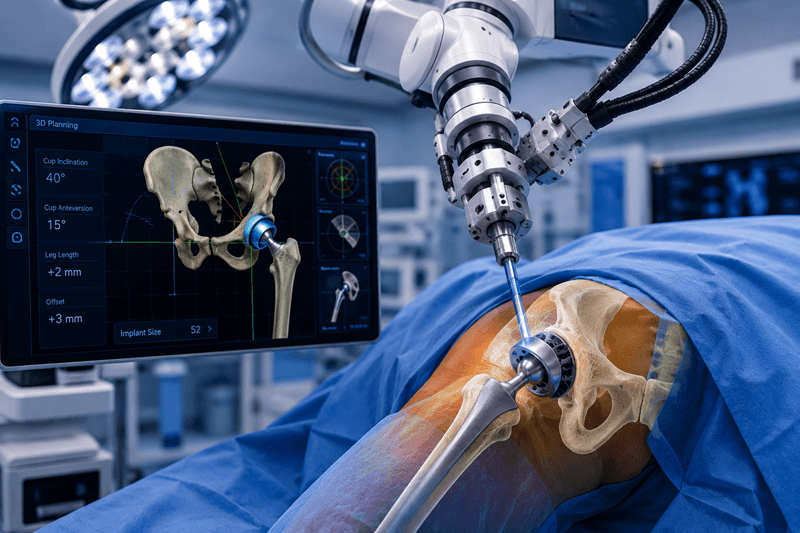
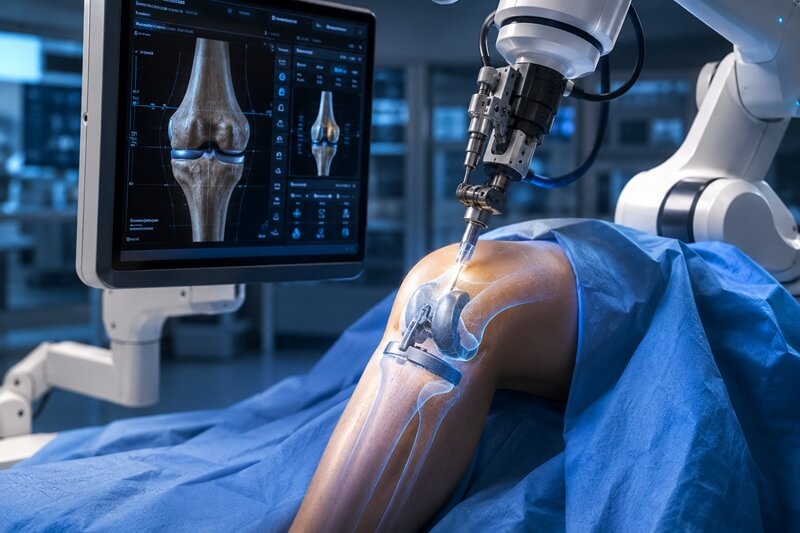
During knee replacement surgery, damaged joint surfaces are replaced with artificial components.
Knee replacement is not required for every person experiencing knee pain while climbing stairs. The decision should be made after a detailed evaluation by an orthopedic surgeon, considering the patient's symptoms, examination, imaging and treatment history.
When Should You Consult an Orthopedic Surgeon?
Consider arranging an orthopedic assessment if:
- Knee pain persists or repeatedly returns.
- Climbing stairs becomes increasingly difficult.
- Pain interferes with walking, work or daily activities.
- You notice persistent swelling or reduced movement.
- You have a history of knee injury.
- You experience stiffness that affects normal movement.
Seek urgent medical assessment if you cannot bear weight on the affected leg, the knee becomes severely swollen or changes shape, or it locks and prevents movement. A hot, red knee accompanied by fever or feeling unwell also requires urgent assessment.
Do not ignore severe or worsening symptoms in the hope that they will resolve on their own.
Tips to Help Protect Your Knees
The following measures may help reduce unnecessary strain on the knees:
- Increase exercise intensity gradually.
- Follow an appropriate strengthening and flexibility programme.
- Wear comfortable footwear suited to your activities.
- Use a handrail when climbing stairs if you need additional support.
- Avoid repeatedly pushing through significant knee pain.
- Allow time for recovery after strenuous activity.
- Seek professional advice if pain persists.
These measures cannot prevent every knee condition, but they may help support safer movement and better symptom management.
Knee pain while climbing stairs can be associated with several conditions, including knee osteoarthritis, patellofemoral pain syndrome, muscle weakness, tendon irritation and knee injuries.
The right treatment depends on identifying the underlying cause. Activity modification and physiotherapy may help some patients, while advanced knee osteoarthritis may require further treatment, including consideration of knee replacement surgery in selected cases.
If knee pain is persistent, worsening or affecting your daily routine, consult an orthopedic specialist for an appropriate assessment and personalised treatment plan.
Medical disclaimer: This article is for educational purposes only and should not replace professional medical advice, diagnosis or treatment.