AI Based Robotic Orthopaedic Surgeon in Pune
Joint pain can gradually affect almost every part of daily life. Walking, climbing stairs, standing for long periods, exercising and even getting out of bed may become difficult when the knee or hip joint is damaged. For patients with advanced arthritis or significant joint degeneration, modern orthopaedic care offers several treatment options, including robotic-assisted joint replacement surgery.
If you are searching for an AI based robotic orthopaedic surgeon in Pune, understanding the role of artificial intelligence, robotic assistance and an experienced orthopaedic surgeon can help you make an informed decision about your treatment.
Dr. Mangesh Darekar is an orthopaedic surgeon in Pune with more than 18 years of experience in orthopaedic care. At Darekar Superspeciality Hospital and Robotic Joint Replacement Centre, patients can explore treatment options for knee and hip joint conditions, including robotic-assisted joint replacement when clinically appropriate.
What Is an AI-Based Robotic Orthopaedic Surgeon?
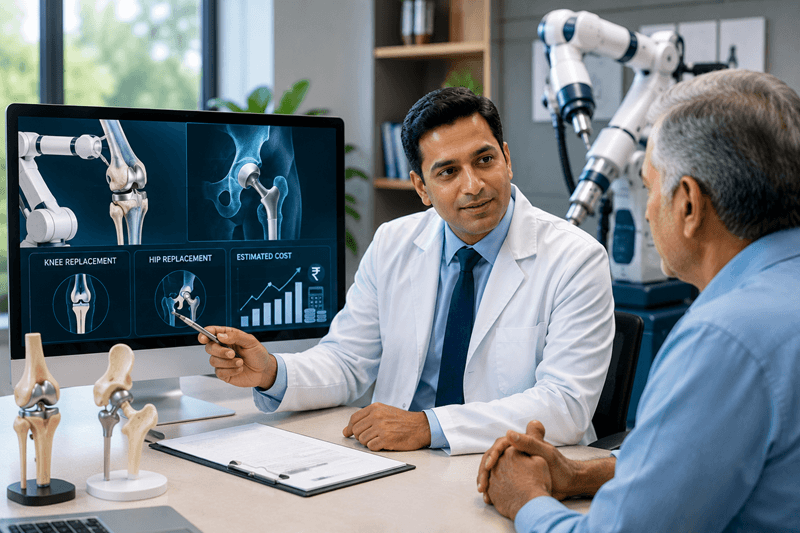
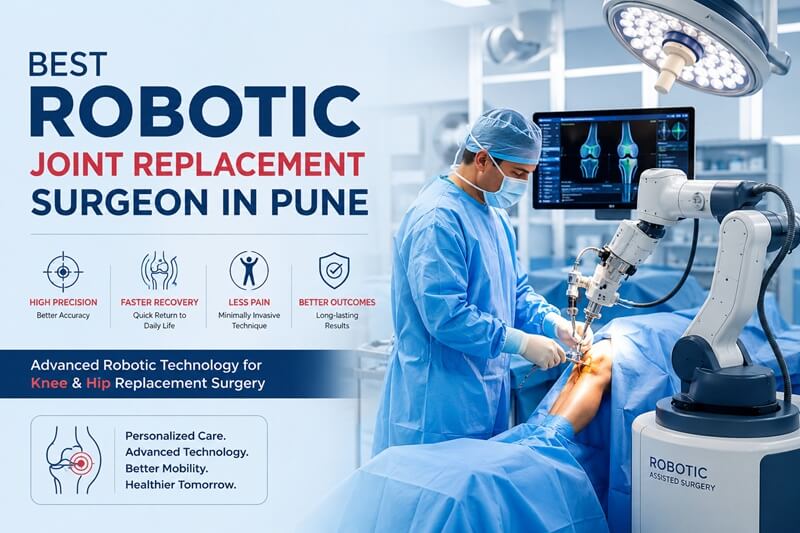
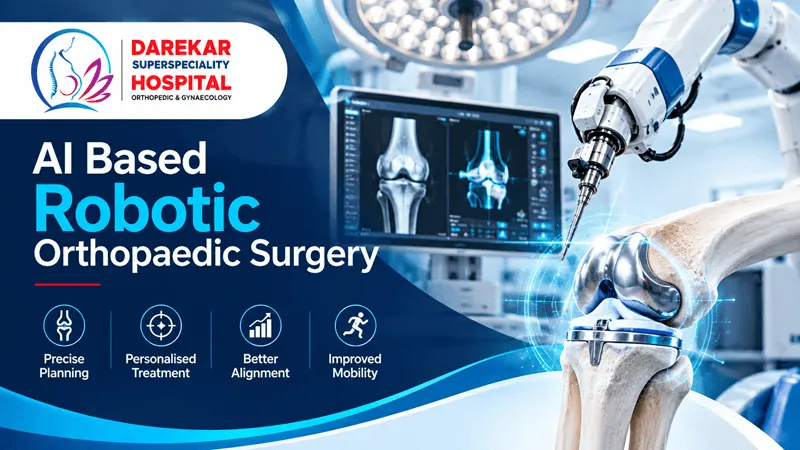
An AI-based robotic orthopaedic surgeon generally refers to an orthopaedic surgeon who uses advanced digital planning, computer-assisted guidance and robotic technology to support selected surgical procedures.
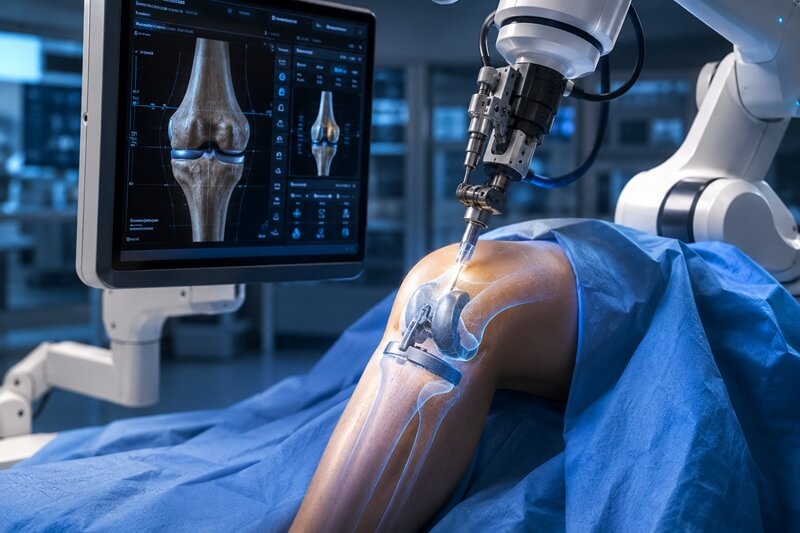
Robotic-assisted surgery combines the surgeon's medical expertise with technology that can help create a personalised surgical plan and guide specific steps during an operation. Depending on the robotic platform, the process may use medical imaging, three-dimensional joint models, navigation systems and real-time measurements.
It is important to understand that the robot does not independently diagnose a patient or perform the entire operation without a surgeon. The orthopaedic surgeon remains responsible for evaluating the patient's condition, deciding whether surgery is appropriate and performing the procedure with the assistance of the technology.
Artificial intelligence and robotics are related but different technologies. Not every robotic surgical system uses artificial intelligence in the same way, so patients should ask which system is used and what it does during their particular procedure.
How Does Robotic-Assisted Orthopaedic Surgery Work?
Robotic-assisted joint replacement involves several stages, from the initial consultation to rehabilitation after surgery.
1. Detailed Orthopaedic Evaluation
The surgeon evaluates the patient's symptoms, medical history, mobility, joint stability and physical examination findings. X-rays and other investigations may be recommended when necessary to understand the extent of joint damage.
This assessment helps determine whether the patient may benefit from medication, physiotherapy, lifestyle changes, injections in selected cases or joint replacement surgery.
2. Personalised Surgical Planning
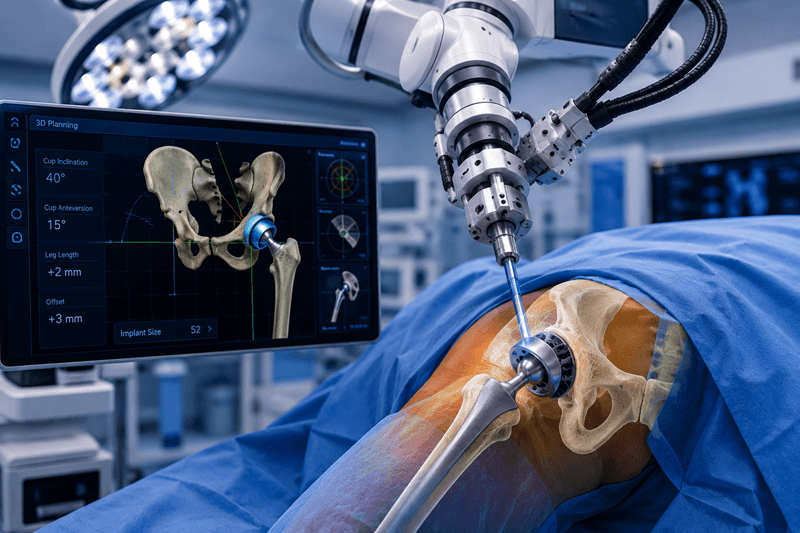
Depending on the robotic system being used, medical imaging and digital planning tools may help create a three-dimensional representation of the joint.
The surgeon uses the available information to plan aspects of the procedure, including bone preparation, implant positioning and alignment. The plan is individualised according to the patient's anatomy and clinical requirements.
3. Robotic-Assisted Surgical Guidance
During surgery, the robotic platform can provide navigation, measurements or controlled guidance to assist the surgeon with specific steps.
The surgeon operates the instruments and makes the clinical decisions. The technology is designed to support surgical precision rather than replace the surgeon's judgement or experience.
4. Postoperative Monitoring
Following surgery, the medical team monitors the patient's recovery, manages pain and assesses when it is appropriate to begin standing or walking with assistance.
The recovery plan depends on the procedure, the patient's overall health and the surgeon's instructions.
5. Physiotherapy and Rehabilitation
Rehabilitation is an important part of joint replacement. Guided exercises help patients gradually improve strength, joint movement, balance and confidence while following appropriate precautions.
What Is Robotic Knee Replacement Surgery?
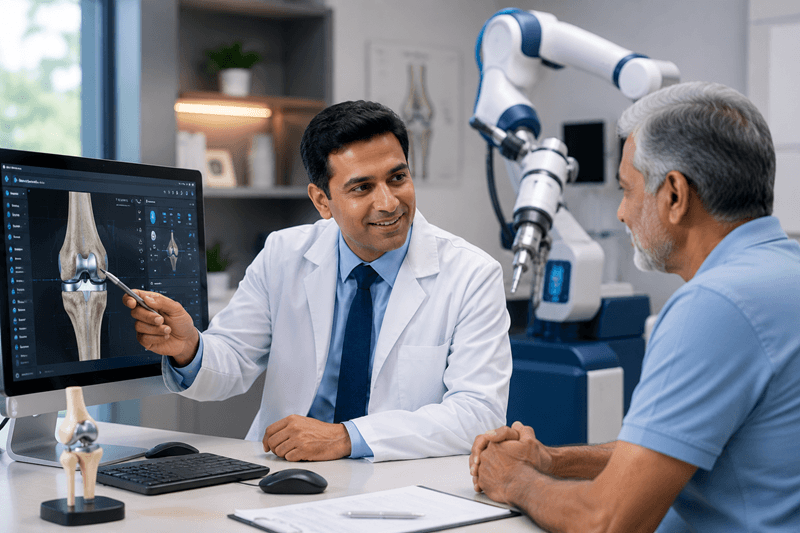
Robotic-assisted knee replacement is a surgical treatment option for selected patients with severe knee joint damage, commonly caused by osteoarthritis.
In advanced arthritis, the protective cartilage inside the knee gradually wears away. This may cause pain, stiffness, swelling and difficulty walking. When non-surgical treatments no longer provide sufficient relief and symptoms significantly affect daily activities, an orthopaedic surgeon may discuss knee replacement.
During robotic-assisted knee replacement, digital planning and robotic guidance may help the surgeon prepare the bone and position the implant according to the surgical plan.
Potential advantages include detailed preoperative planning, assistance with implant alignment and the ability to account for individual differences in joint anatomy. However, the benefits vary by patient and surgical system, and robotic assistance does not guarantee a particular result.
What Is Robotic Hip Replacement Surgery?
Robotic-assisted hip replacement may be considered for selected patients whose hip joint has been severely damaged by arthritis or other conditions.
Common symptoms of significant hip joint disease include persistent groin or hip pain, stiffness, difficulty putting on footwear, reduced walking distance and discomfort during everyday movements.
The surgeon evaluates the cause and severity of symptoms before recommending treatment. When hip replacement is appropriate, robotic assistance may support planning and component positioning, depending on the technology available.
The final treatment decision should consider the patient's anatomy, overall health, expectations and the experience of the surgical team.
Potential Benefits of Robotic-Assisted Joint Replacement
Robotic-assisted technology may offer several benefits in appropriately selected cases.
Personalised Surgical Planning
Digital planning tools can help the surgeon assess joint anatomy and plan implant size and positioning before surgery.
Assistance With Surgical Precision
Robotic guidance and navigation may help the surgeon carry out planned steps with greater control and reduce certain sources of technical variation.
Individualised Treatment
Patients have different bone structures, joint deformities and mobility requirements. Technology can help the surgeon account for these differences when planning a procedure.
Support for Complex Anatomy
In selected patients with unusual anatomy or challenging joint conditions, robotic planning may provide additional information that assists surgical decision-making.
Structured Recovery Planning
Robotic technology is one part of the overall treatment process. Appropriate pain management, early movement when safe and guided rehabilitation remain essential to recovery.
An important consideration: Robotic-assisted surgery is not automatically better for every patient. Evidence regarding functional outcomes and complication rates varies by procedure, technology and follow-up period. The most appropriate approach depends on the patient's needs and the surgeon's assessment.
Who May Need Robotic-Assisted Joint Replacement?
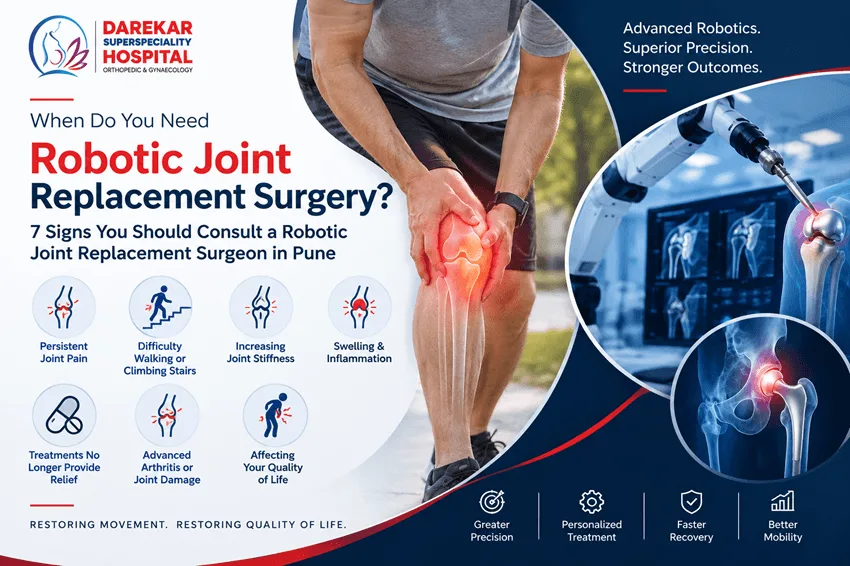
A patient may be considered for joint replacement when joint damage causes persistent symptoms and significantly affects quality of life despite appropriate non-surgical treatment.
An orthopaedic consultation may be helpful if you experience:
Persistent knee or hip pain that limits everyday activities.
Stiffness or reduced movement in the affected joint.
Difficulty walking, climbing stairs or standing for long periods.
Pain that interferes with sleep or regular activities.
Advanced arthritis or significant joint damage on medical evaluation.
Limited improvement after an appropriate course of non-surgical treatment.
These symptoms do not automatically mean that surgery is necessary. A proper examination and appropriate investigations are needed before deciding on treatment.
Is Robotic Orthopaedic Surgery Safe?
Robotic-assisted joint replacement is an established surgical approach, but it carries risks similar to other major joint replacement procedures. The suitability of surgery depends on the patient's medical condition, the procedure being considered and the experience of the treating team.
Possible complications include infection, blood clots, nerve or blood vessel injury, stiffness, implant-related problems and complications associated with anaesthesia. Some robotic systems may also require additional imaging or involve specific technical considerations.
Patients should discuss the expected benefits, limitations, alternatives, costs and potential complications with their orthopaedic surgeon before making a decision.
Choosing a surgeon based on appropriate qualifications, relevant experience, clear communication and a comprehensive treatment plan is important, whether the procedure is robotic-assisted or conventional.
What Is Recovery Like After Robotic Joint Replacement?
Recovery is different for every patient. It depends on the joint being treated, the extent of the operation, general health, pain management and participation in rehabilitation.
After surgery, the medical team determines when it is safe to begin standing and walking with assistance. Some patients start moving early under supervision, while others may require additional support.
The recovery programme may include:
Pain management and wound care.
Exercises to improve joint movement and muscle strength.
Walking practice with an appropriate aid when needed.
Gradual return to daily activities.
Follow-up appointments to assess healing and progress.
Robotic assistance does not guarantee a pain-free recovery or a fixed recovery timeline. Following medical advice and attending rehabilitation sessions can help support recovery.
Why Choose Dr. Mangesh Darekar?
Choosing an orthopaedic surgeon is an important decision, especially when considering a major procedure such as knee or hip replacement.
Dr. Mangesh Darekar is an orthopaedic surgeon based in Pune with more than 18 years of experience in orthopaedic care. His clinical focus includes robotic-assisted joint replacement and the evaluation and treatment of conditions affecting joint function and mobility.
Patients considering treatment at Darekar Superspeciality Hospital and Robotic Joint Replacement Centre can discuss their symptoms, diagnostic findings and available treatment options with the medical team.
Experience in Orthopaedic Care
Experience is an important consideration when selecting a surgeon for joint replacement. Patients should discuss the surgeon's experience with the specific procedure being considered and ask questions about the proposed treatment plan.
Focus on Robotic-Assisted Joint Replacement
Robotic technology can support planning and selected surgical steps. The surgeon's training, judgement and ability to select the right approach for each patient remain essential.
Individualised Treatment Planning
A patient's age, health, joint damage, activity level and expectations all influence treatment decisions. A personalised assessment helps determine whether non-surgical treatment, conventional surgery or robotic-assisted surgery is appropriate.
Guidance Beyond the Operation
Successful joint replacement involves more than the procedure itself. Preoperative preparation, postoperative monitoring, pain management, rehabilitation and follow-up care are all important parts of the patient's treatment journey.
Clear Communication and Informed Decisions
Patients should receive clear explanations of their diagnosis, available options, expected benefits, potential risks and recovery requirements. This helps them participate actively in decisions about their care.
How to Choose the Right Robotic Orthopaedic Surgeon in Pune
Before deciding on surgery, consider asking the following questions during your consultation:
What is causing my joint pain?
Have non-surgical treatment options been adequately explored?
Am I a suitable candidate for joint replacement?
What robotic system, if any, will be used for my procedure?
What are the advantages and limitations of robotic assistance in my specific case?
What are the likely risks, costs and rehabilitation requirements?
What support and follow-up care will I need after surgery?
These questions can help you understand your options and make a decision based on your individual condition rather than technology alone.
Consult an Orthopaedic Surgeon in Pune
Persistent joint pain should not be ignored when it begins to interfere with walking, sleep or everyday activities. Early evaluation can help identify the cause of the problem and determine the most suitable treatment.
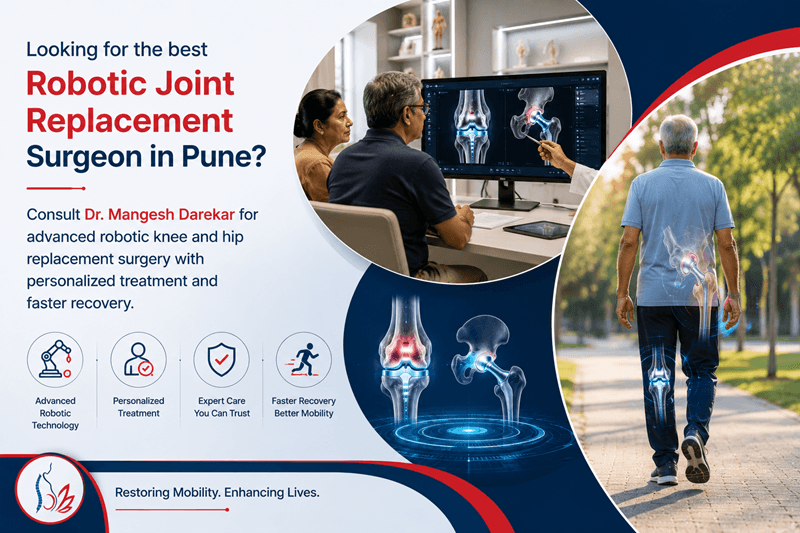
If you are looking for an AI-based robotic orthopaedic surgeon in Pune, Dr. Mangesh Darekar at Darekar Superspeciality Hospital and Robotic Joint Replacement Centre can be a point of contact for discussing orthopaedic concerns and potential joint replacement options.
Hospital: Darekar Superspeciality Hospital and Robotic Joint Replacement Centre
Address: 2nd Floor, Shivpushpa Landmark, Sinhagad Road, Sun City Road, above Bharti Bazaar, Pune, Maharashtra 411041
Phone: +91 97669 55988
Contact the hospital to enquire about consultation availability and the treatment options relevant to your condition.
Conclusion
AI, digital planning and robotic-assisted technology are contributing to advances in modern orthopaedic surgery. In selected joint replacement procedures, these tools can help surgeons plan treatment and guide specific surgical steps.
However, technology alone does not determine the success of an operation. Accurate diagnosis, appropriate patient selection, the surgeon's expertise, safe surgical care and structured rehabilitation all play important roles.
For patients experiencing persistent knee or hip pain, a consultation with an experienced orthopaedic surgeon can help clarify the diagnosis and identify the most appropriate next step.