Frequently Asked Questions About Robotic Joint Replacement Surgery
Patients considering robotic knee replacement or robotic hip replacement surgery often have questions about the procedure, recovery process, safety, and expected outcomes. Below are answers to some of the most frequently asked questions about robotic joint replacement surgery.
What is robotic joint replacement surgery?
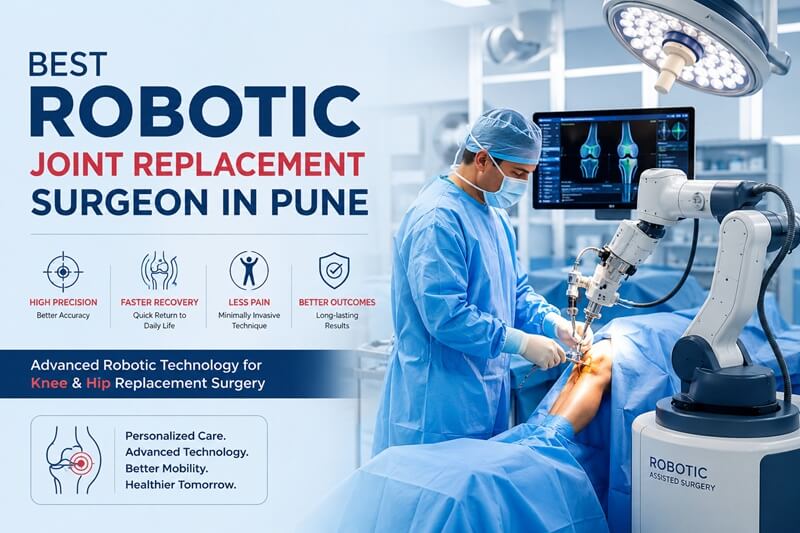
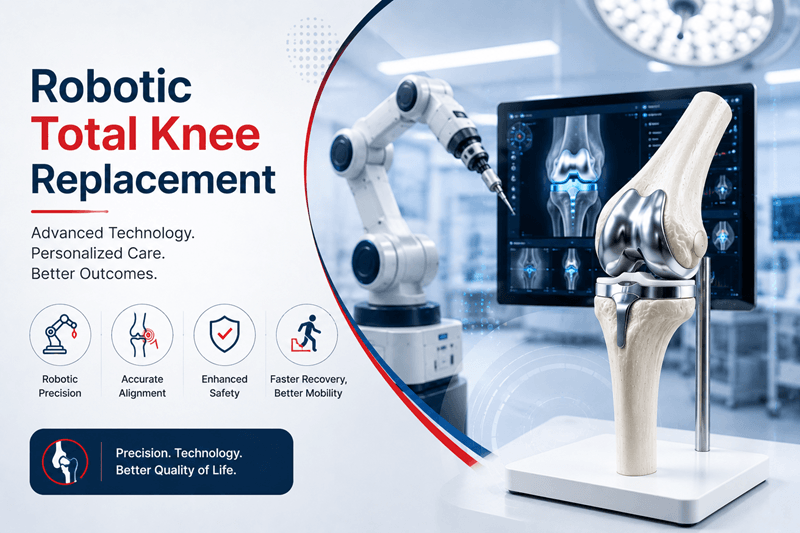
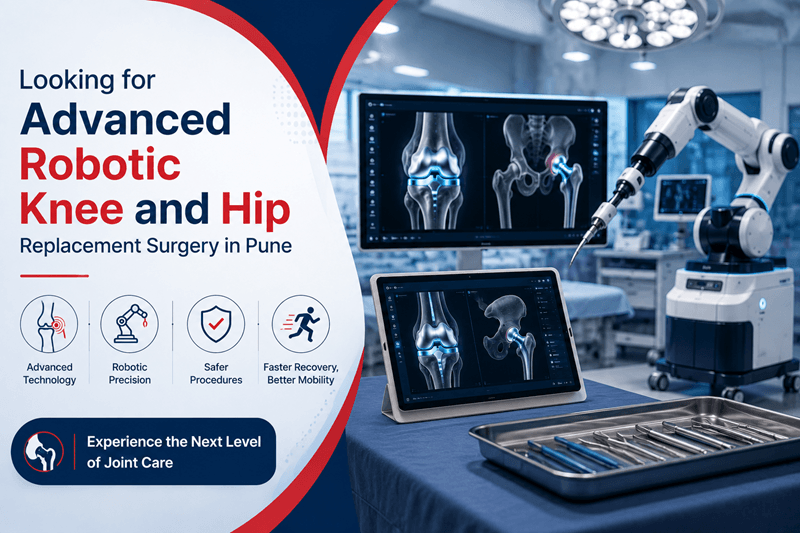
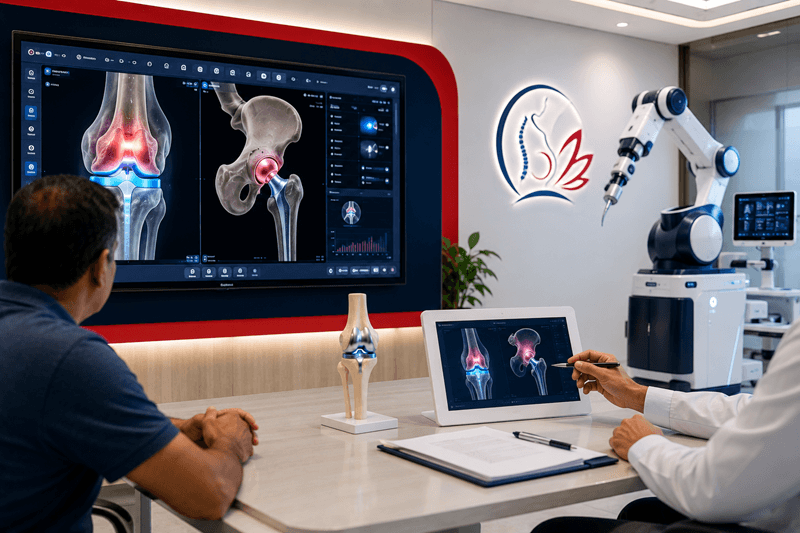
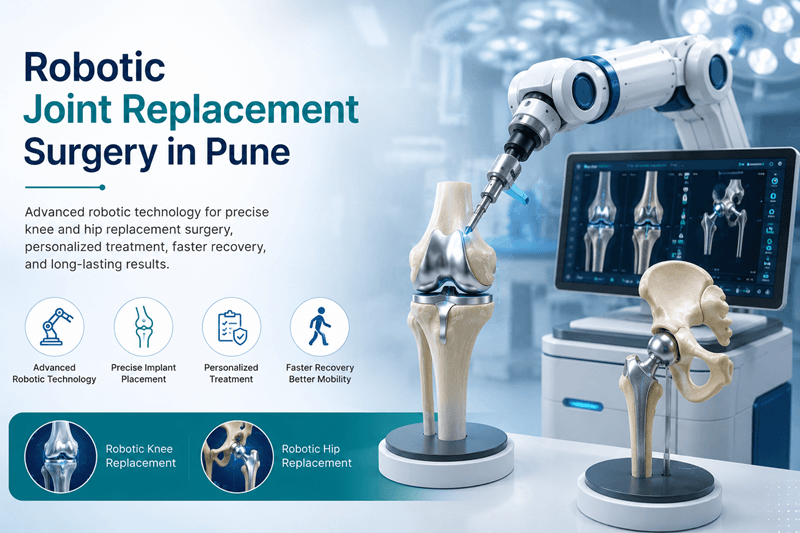
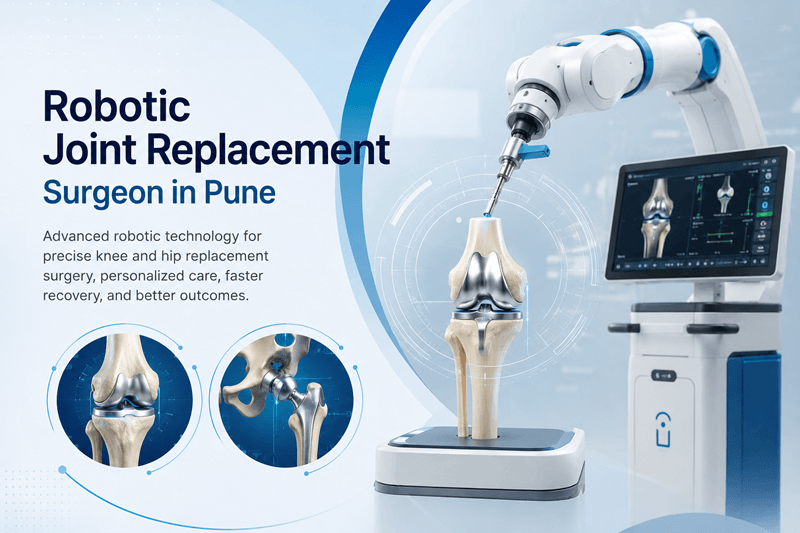
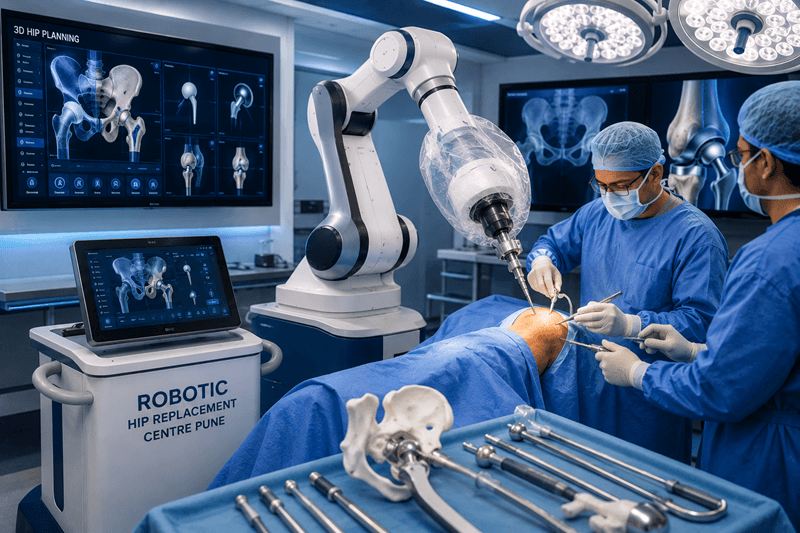
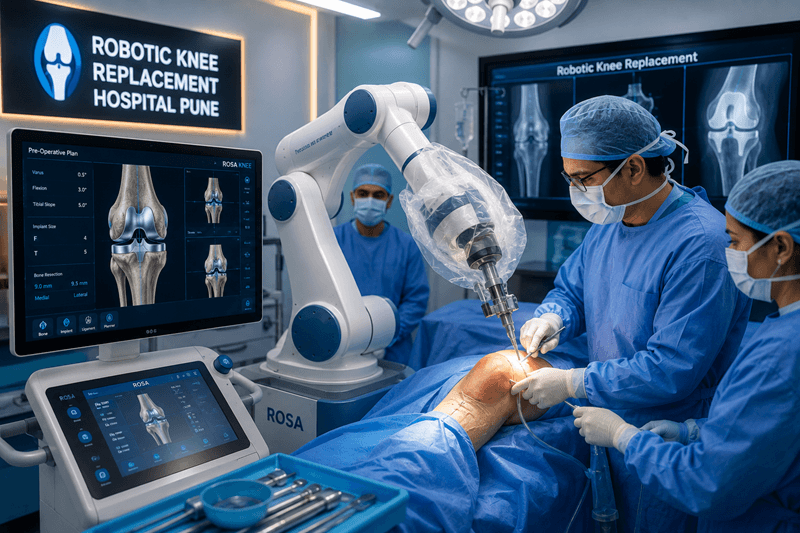
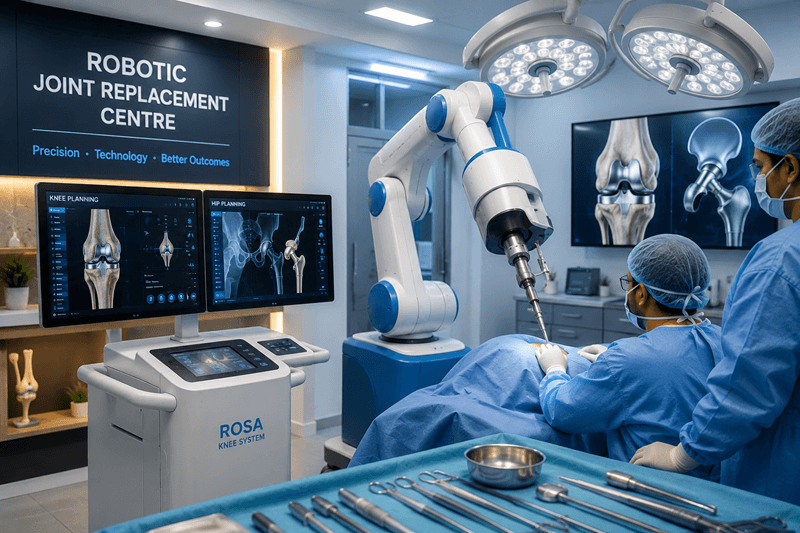
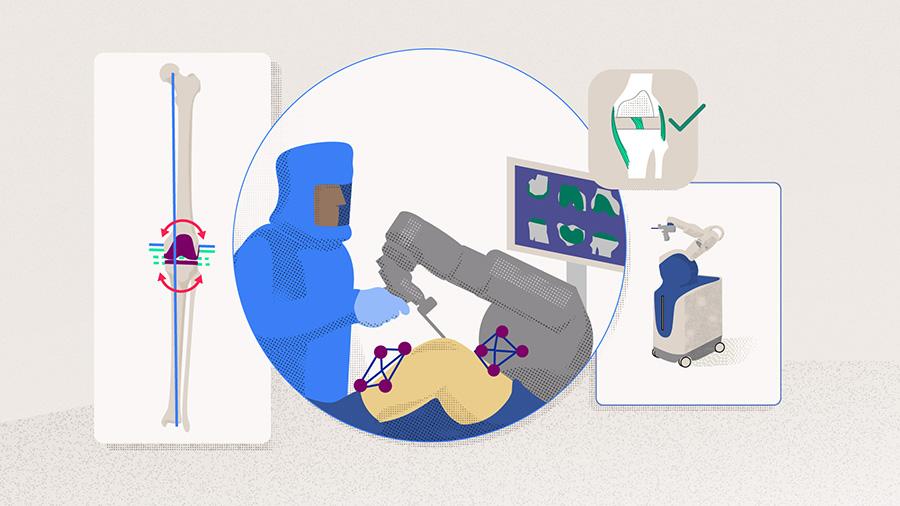
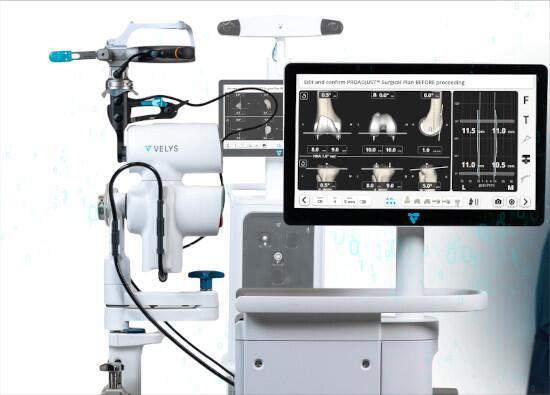
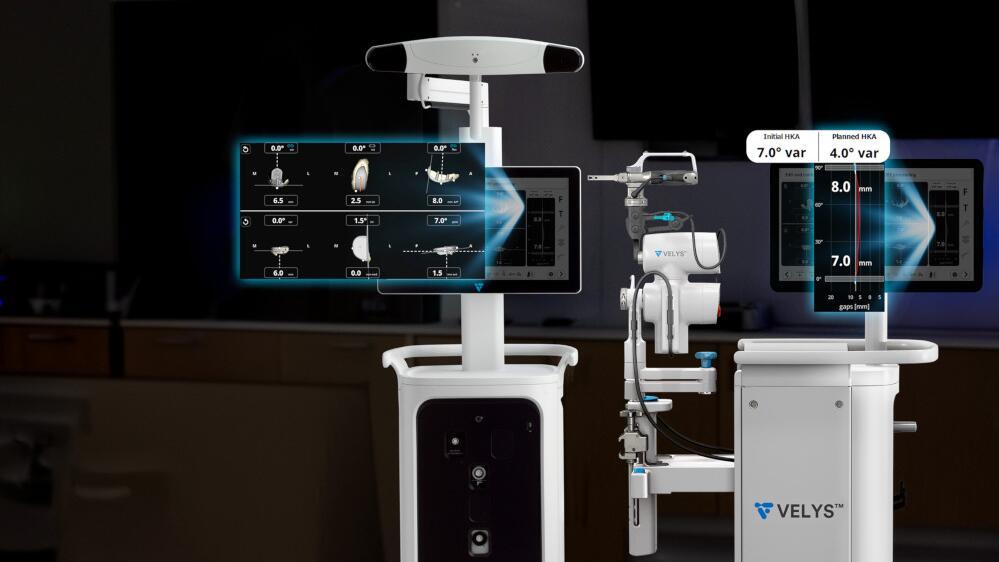
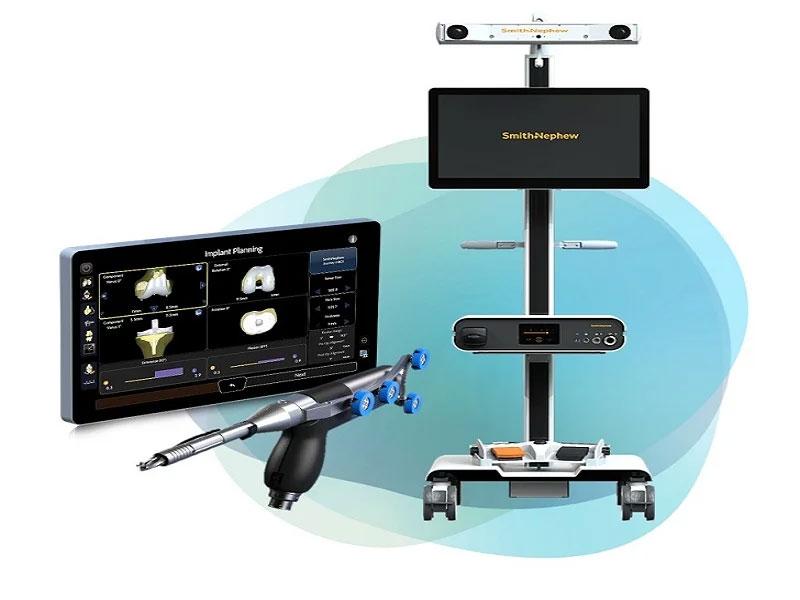
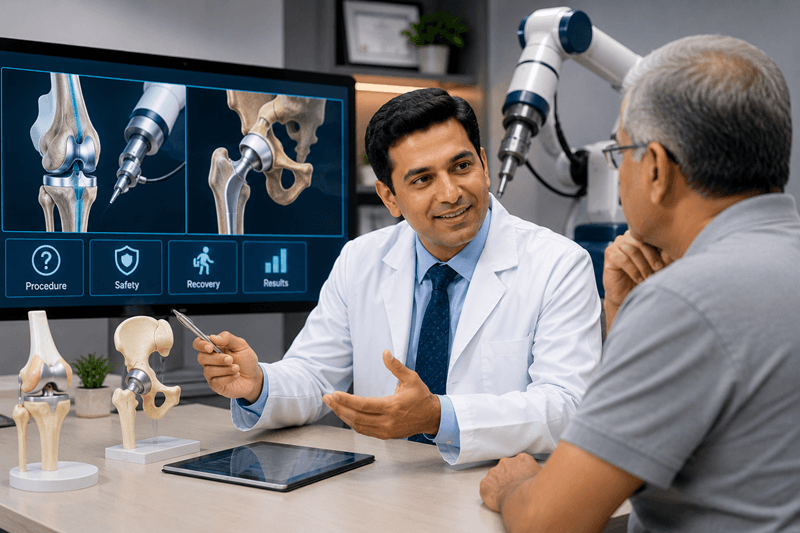
Robotic joint replacement surgery is an advanced orthopedic procedure that uses robotic technology to assist the surgeon during knee or hip replacement surgery. The robotic system helps create a personalized surgical plan and supports highly accurate implant placement, leading to improved precision and alignment.
Is robotic joint replacement surgery safe?
Yes. Robotic-assisted joint replacement surgery is considered safe when performed by an experienced orthopedic surgeon. The robotic system provides real-time guidance and enhances surgical precision, while the surgeon remains in complete control throughout the procedure.
Does a robot perform the surgery on its own?
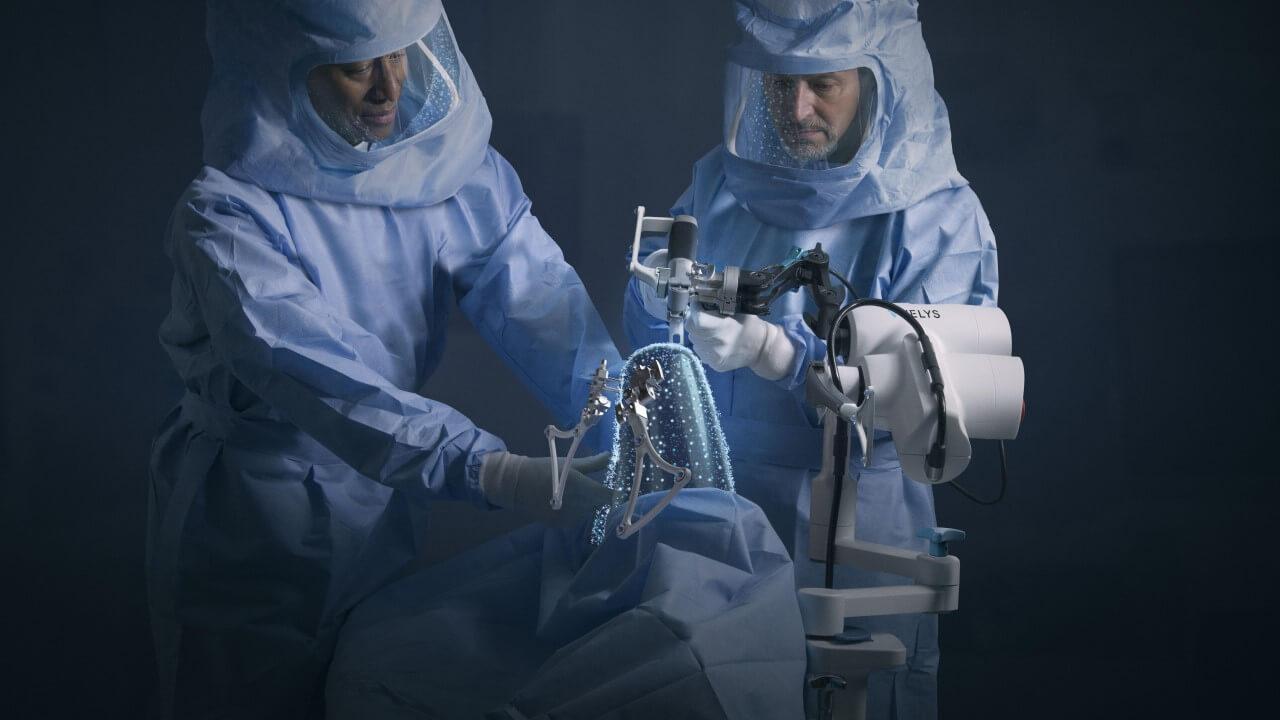
No. The robot does not perform the surgery independently. The robotic system is a tool that assists the surgeon by providing enhanced accuracy and guidance. Every step of the procedure is performed and controlled by the surgeon.
What are the benefits of robotic joint replacement surgery?
Some of the major benefits include:
- Greater surgical precision
- Better implant alignment
- Personalized treatment planning
- Reduced tissue damage
- Less postoperative discomfort
- Faster recovery
- Improved long-term outcomes
Who is a candidate for robotic joint replacement surgery?
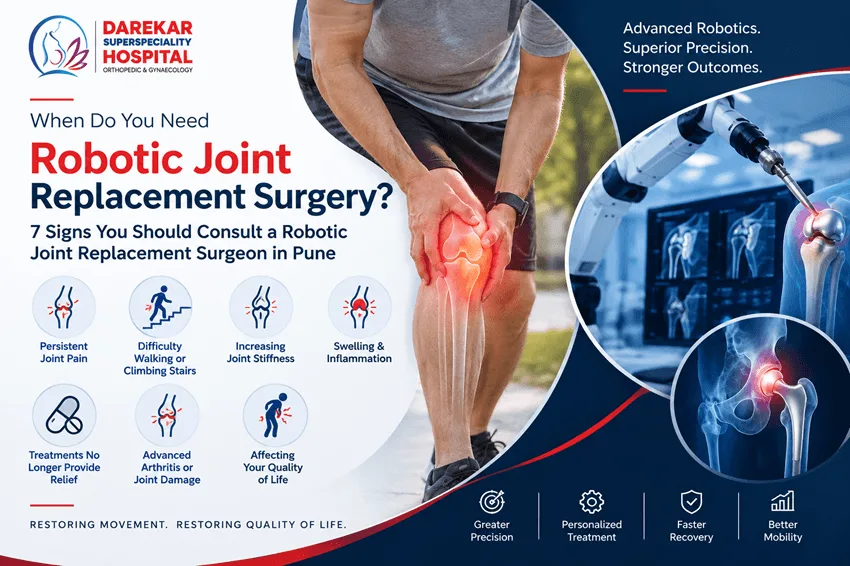
Patients suffering from severe knee arthritis, hip arthritis, chronic joint pain, joint degeneration, stiffness, or reduced mobility may be suitable candidates. A detailed consultation and evaluation help determine whether robotic joint replacement is the right treatment option.
What conditions can be treated with robotic joint replacement?
Robotic joint replacement may be recommended for:
- Osteoarthritis
- Rheumatoid arthritis
- Joint degeneration
- Severe knee pain
- Severe hip pain
- Joint deformities
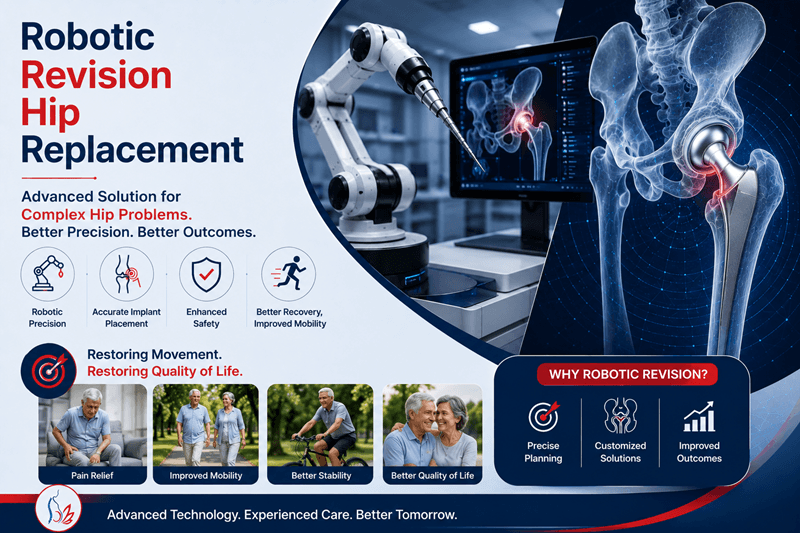
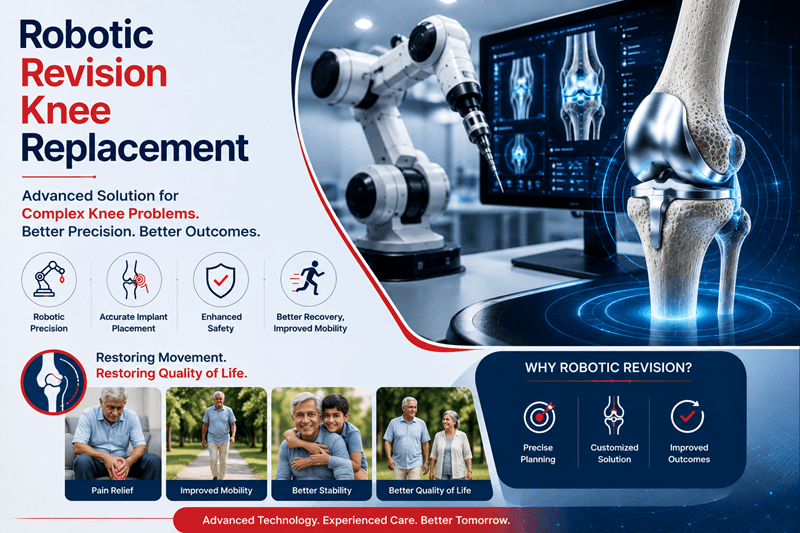
- Failed previous joint replacement surgery
How long does robotic joint replacement surgery take?
The duration of surgery depends on the complexity of the case and the type of procedure being performed. During your consultation, Dr. Mangesh Darekar will explain the expected surgical timeline based on your specific condition.
Is robotic surgery better than traditional joint replacement surgery?
Robotic-assisted surgery offers improved precision and personalized surgical planning. While both traditional and robotic techniques can be effective, robotic technology helps enhance implant positioning and alignment, which may contribute to better outcomes and recovery.
How soon can I walk after surgery?
Many patients are encouraged to begin walking with assistance shortly after surgery under medical supervision. Early mobilization is an important part of the recovery process and helps improve circulation, strength, and mobility.
How long does recovery take?
Recovery varies from patient to patient. Factors such as age, overall health, type of surgery, and commitment to rehabilitation can influence recovery timelines. Most patients gradually regain mobility and return to routine activities with proper physiotherapy and follow-up care.
Will I need physiotherapy after surgery?
Yes. Physiotherapy is an important part of recovery after robotic knee or hip replacement surgery. A structured rehabilitation program helps improve strength, flexibility, balance, and joint function.
How long do joint replacement implants last?
Modern joint replacement implants are designed for long-term durability. Implant lifespan depends on factors such as activity level, overall health, implant type, and adherence to postoperative recommendations.
What is the cost of robotic joint replacement surgery in Pune?
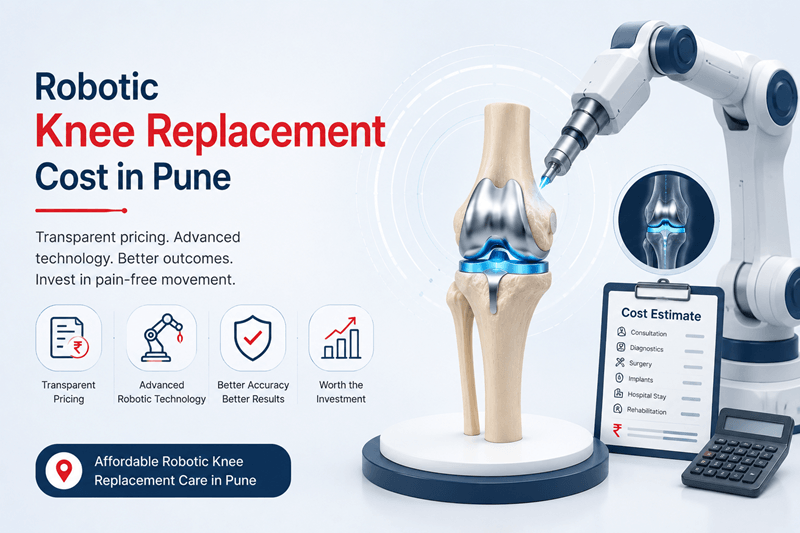
The cost depends on several factors, including the type of surgery, implant selection, hospital facilities, and individual patient requirements. A consultation with Dr. Mangesh Darekar can provide a personalized treatment plan and cost estimate.
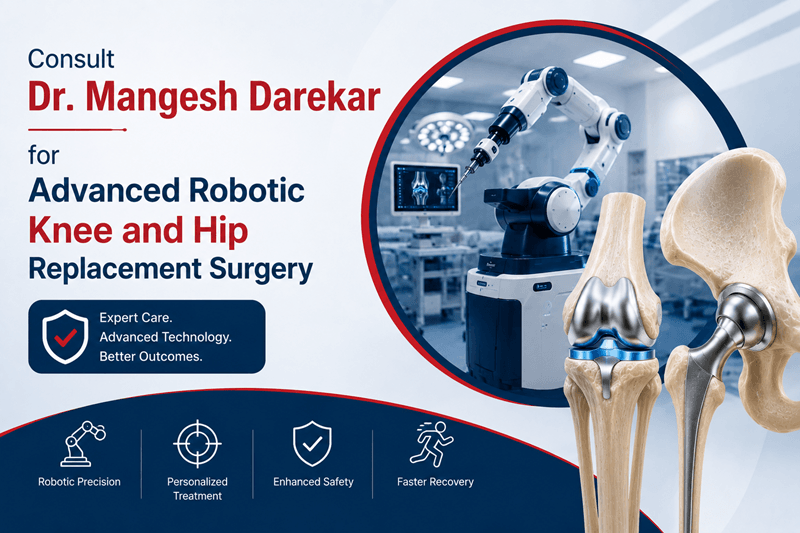
Why choose Dr. Mangesh Darekar for robotic joint replacement surgery?
Patients choose Dr. Mangesh Darekar because of:
- Expertise in robotic joint replacement surgery
- Advanced surgical techniques
- Personalized treatment plans
- Comprehensive patient care
- Focus on safety and precision
- Dedicated postoperative support
His commitment to patient-centered care helps ensure successful outcomes and improved quality of life.
Conclusion
Robotic joint replacement surgery offers an advanced and effective solution for patients suffering from severe knee and hip joint problems. If you have additional questions about robotic knee replacement or robotic hip replacement surgery, schedule a consultation with Dr. Mangesh Darekar for expert guidance and personalized treatment recommendations.


.png)
.jpg)