3D Robotic Knee Replacement Surgeon in Pune
Knee pain can gradually affect everyday life, making walking, climbing stairs, standing for long periods, and getting up from a chair increasingly difficult. When the knee joint becomes severely damaged, even routine activities may cause persistent discomfort, stiffness, and reduced mobility. If medicines, physiotherapy, lifestyle changes, and other non-surgical treatments no longer provide adequate relief, knee replacement surgery may be considered.
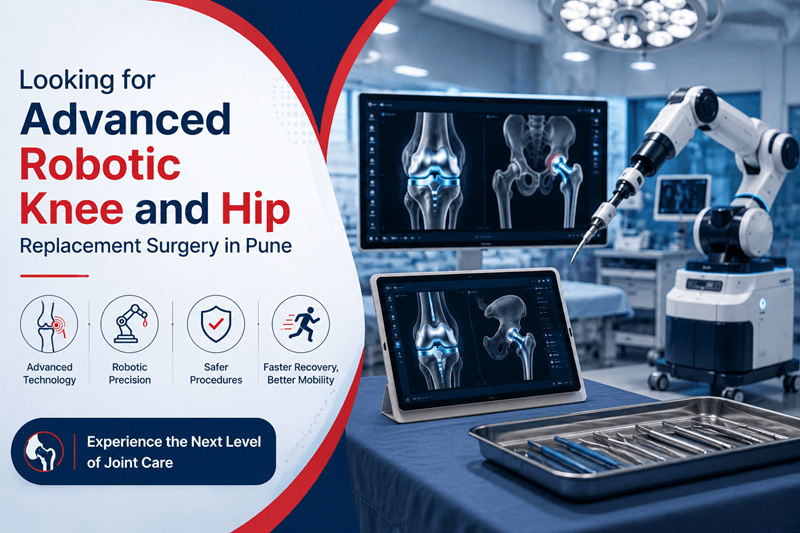
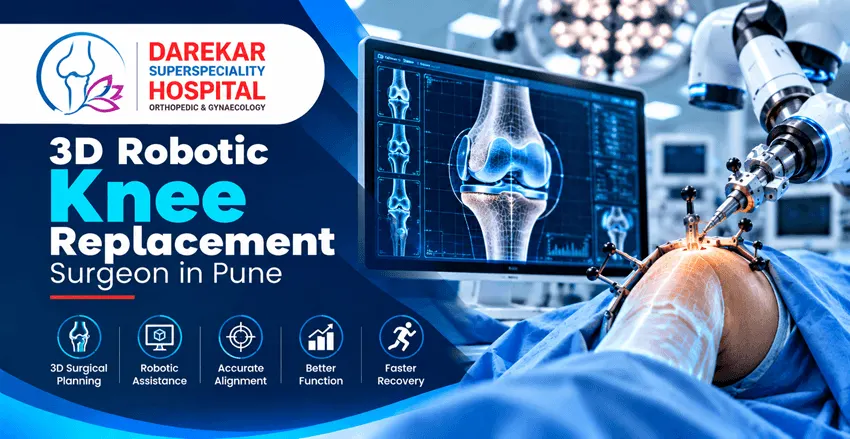
Advances in orthopaedic technology have introduced computer-assisted planning and robotic tools into knee replacement procedures. Patients searching for a 3D robotic knee replacement surgeon in Pune may want to understand how three-dimensional surgical planning works, what robotic assistance involves, and whether this approach may be appropriate for their knee condition.
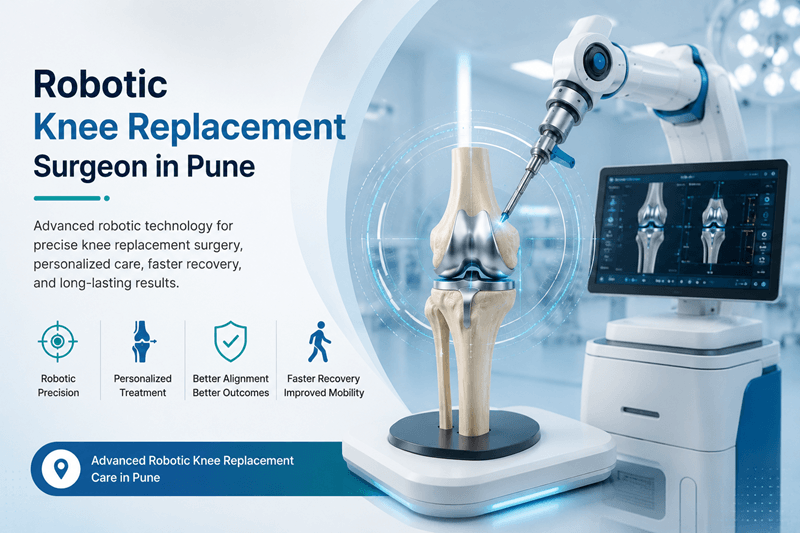
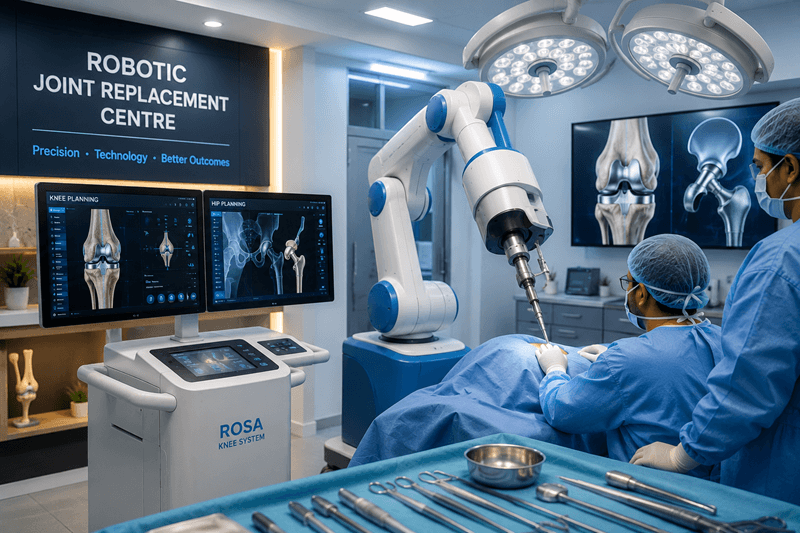
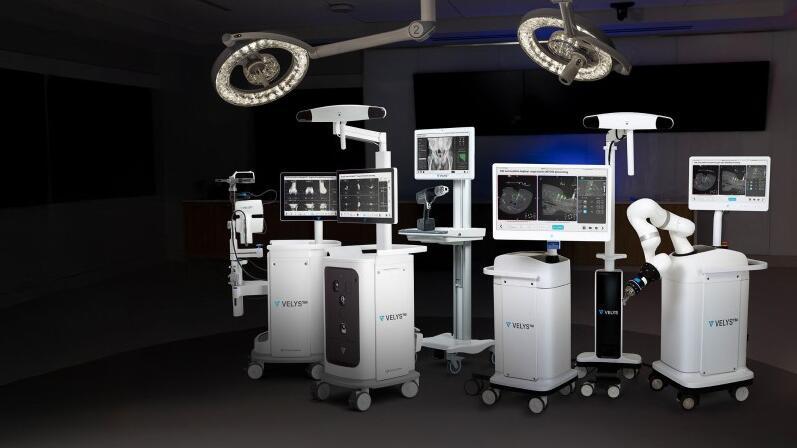
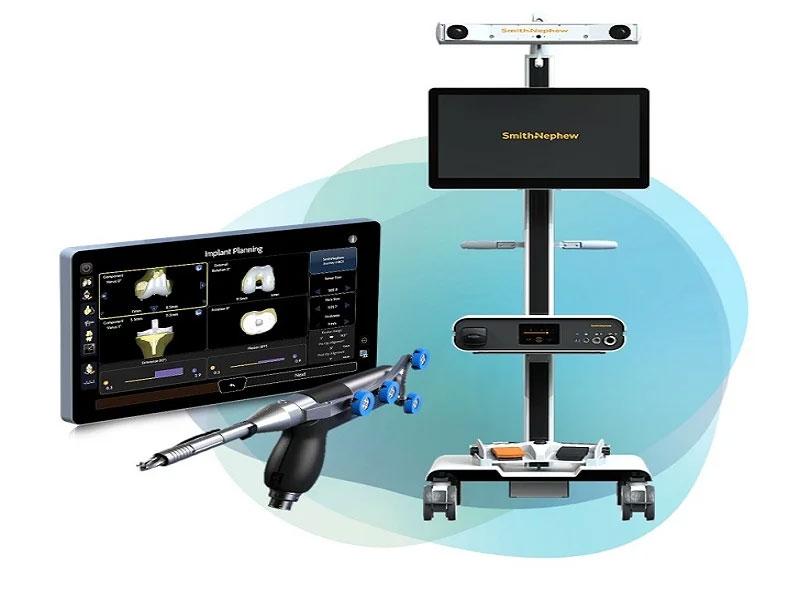
Robotic-assisted knee replacement combines the surgeon's clinical expertise with technology that may help plan the procedure and guide selected surgical steps. The exact features depend on the robotic system used and the patient's individual anatomy.
What Is 3D Robotic Knee Replacement Surgery?
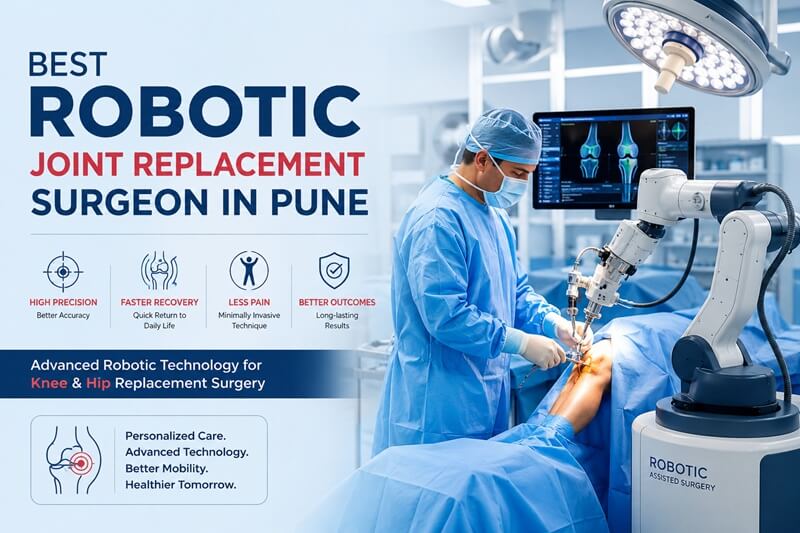
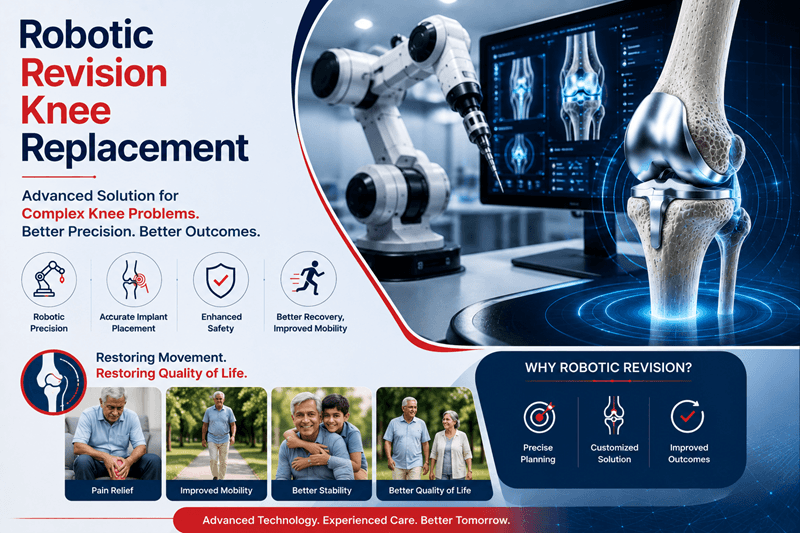
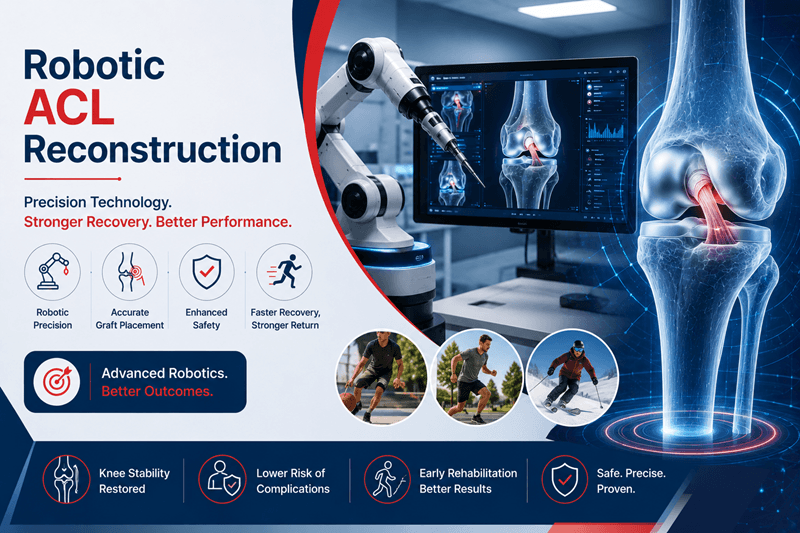
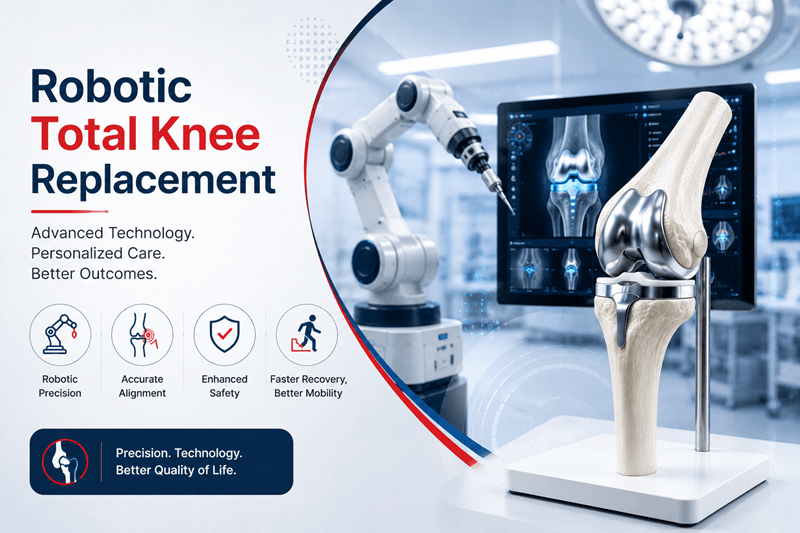
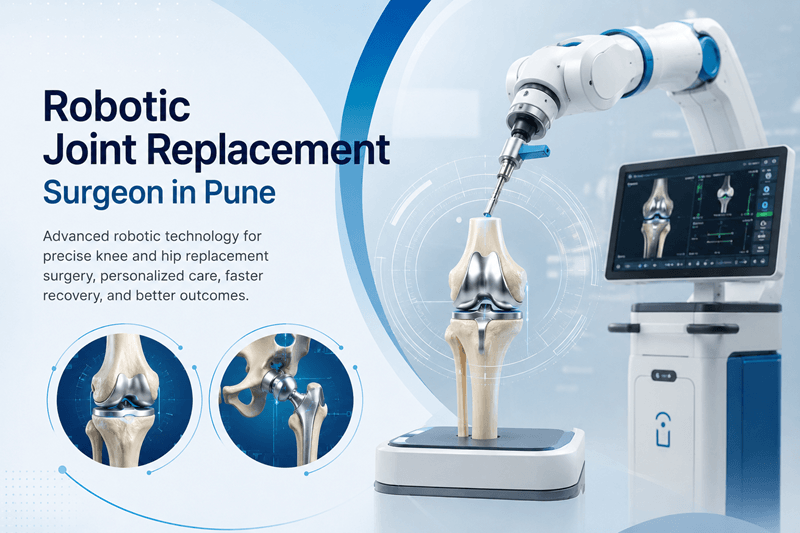
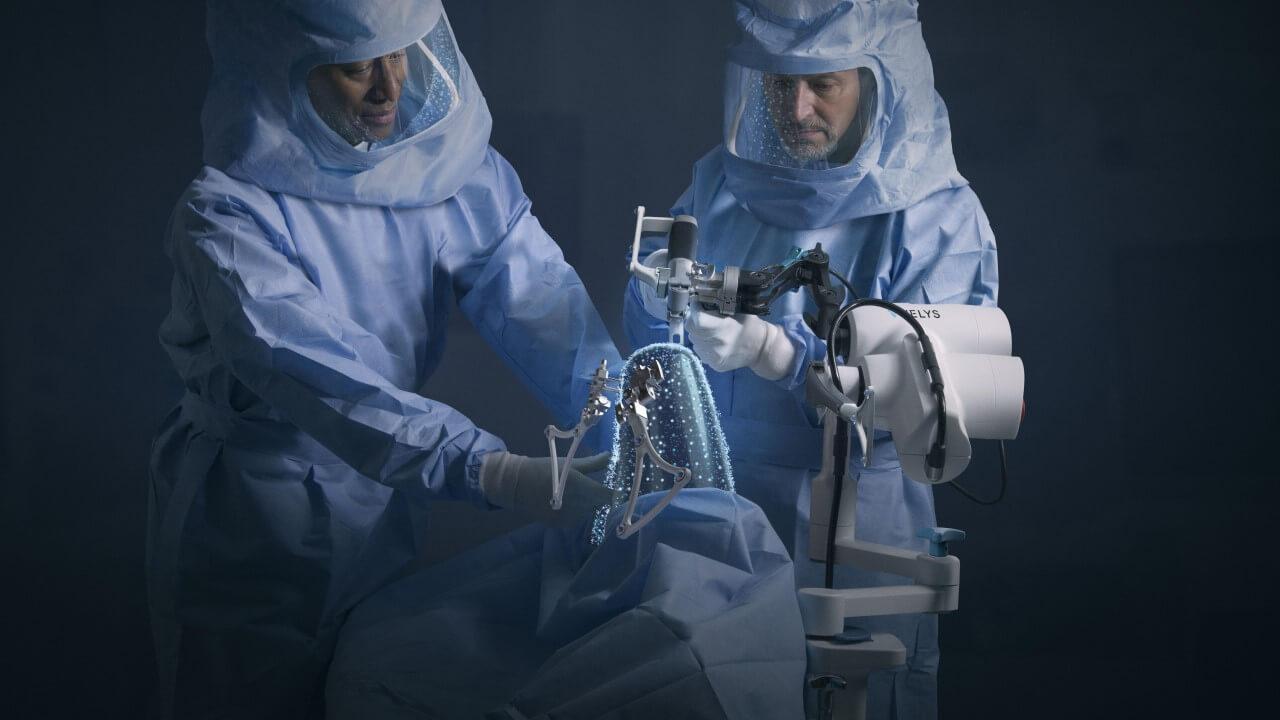
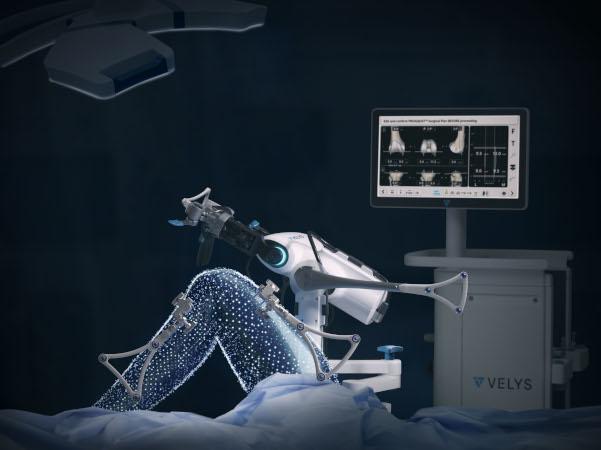
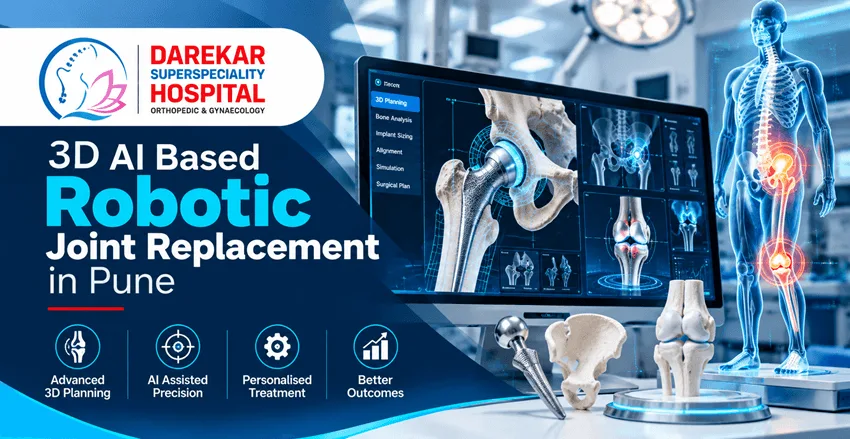
3D robotic knee replacement is a knee replacement procedure in which specialised technology may be used to create a three-dimensional surgical plan and assist the surgeon during selected parts of the operation.
The knee joint is formed by the thighbone, shinbone, kneecap, cartilage, ligaments, and surrounding soft tissues. When the joint surfaces become severely damaged, movement may become painful and restricted.
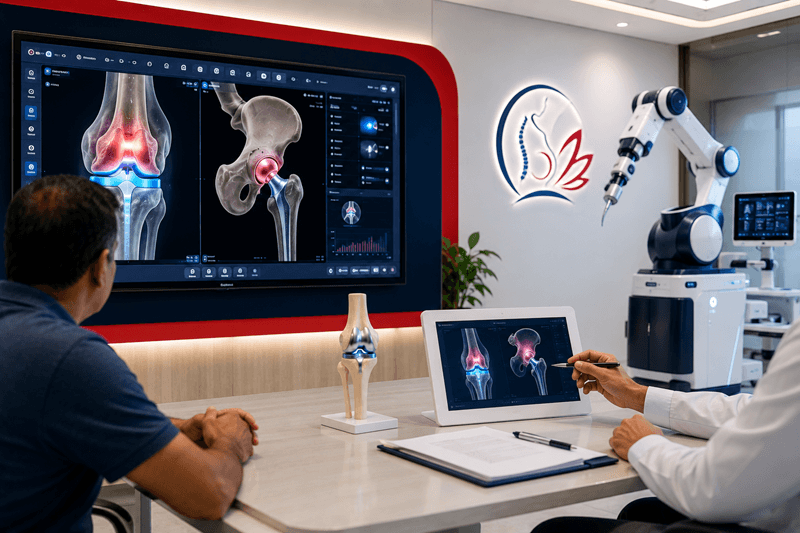
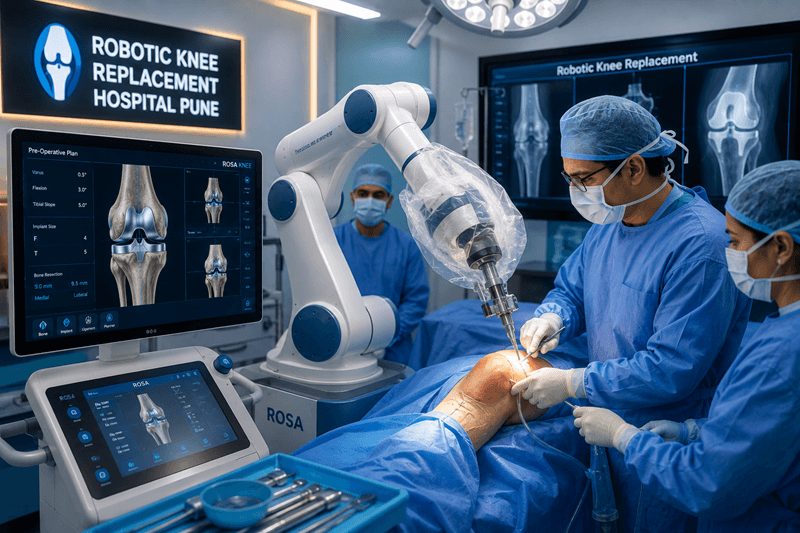
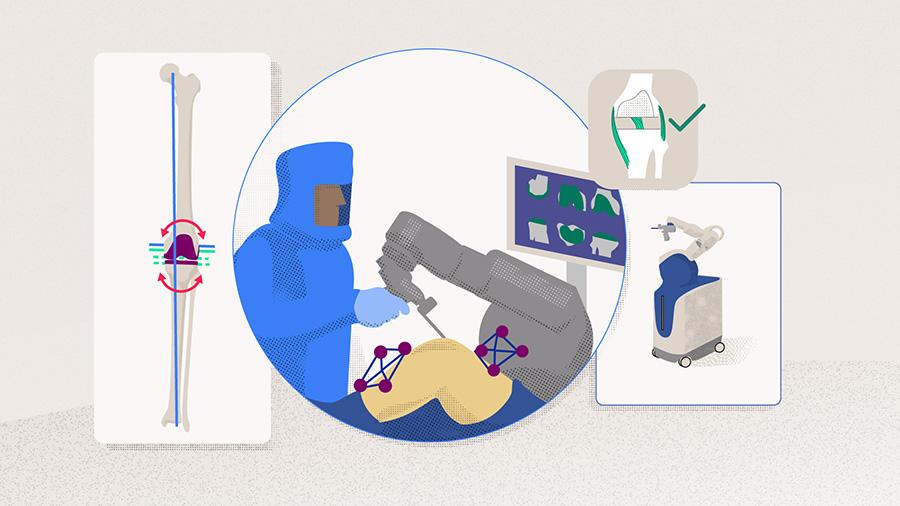
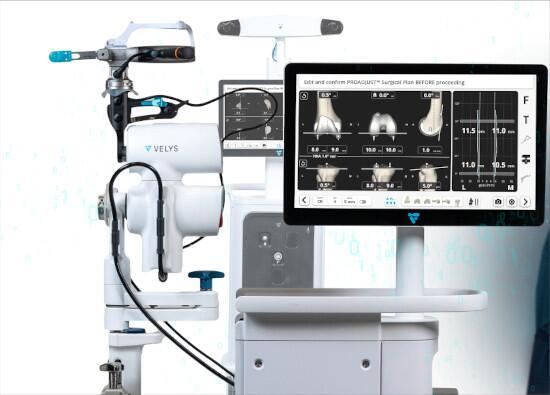
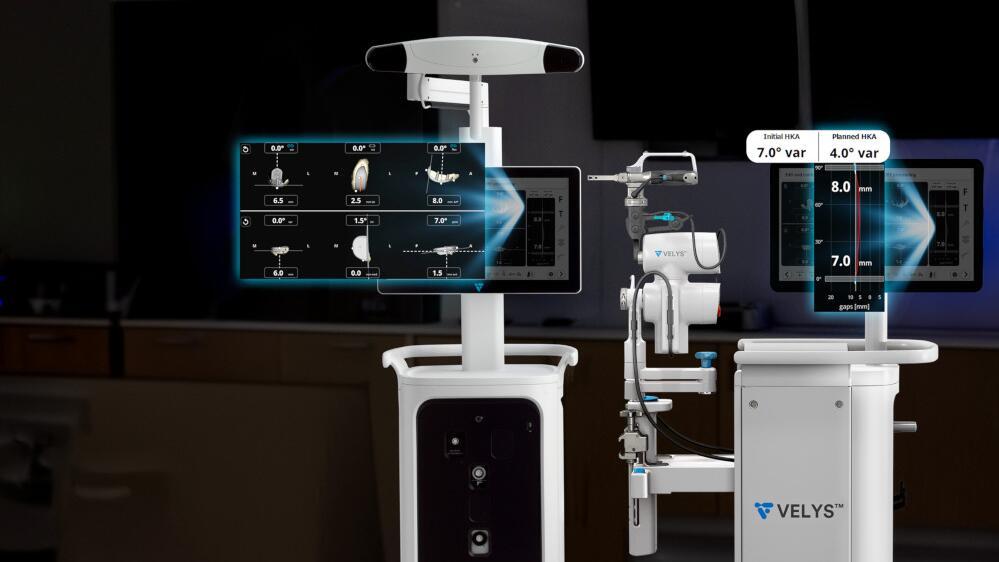
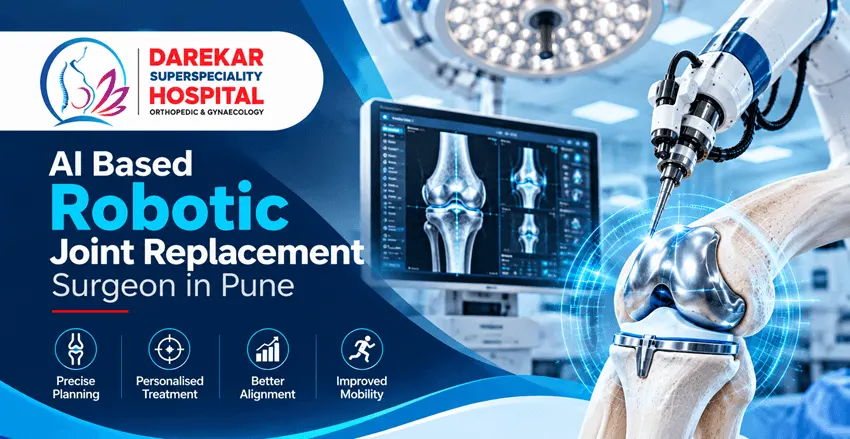
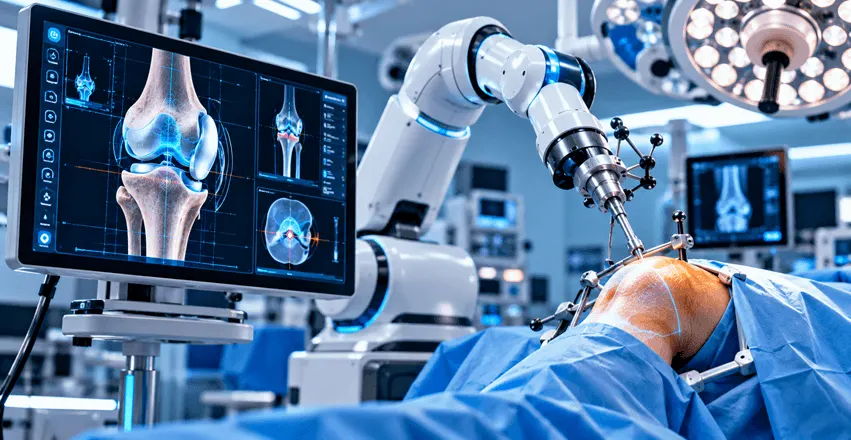
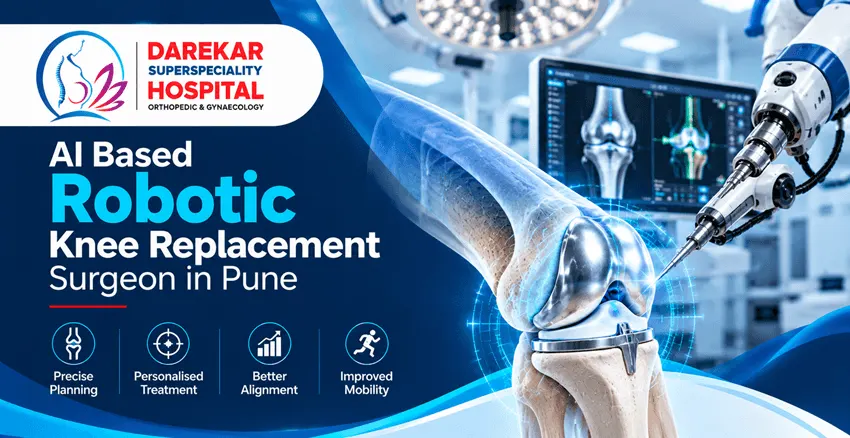
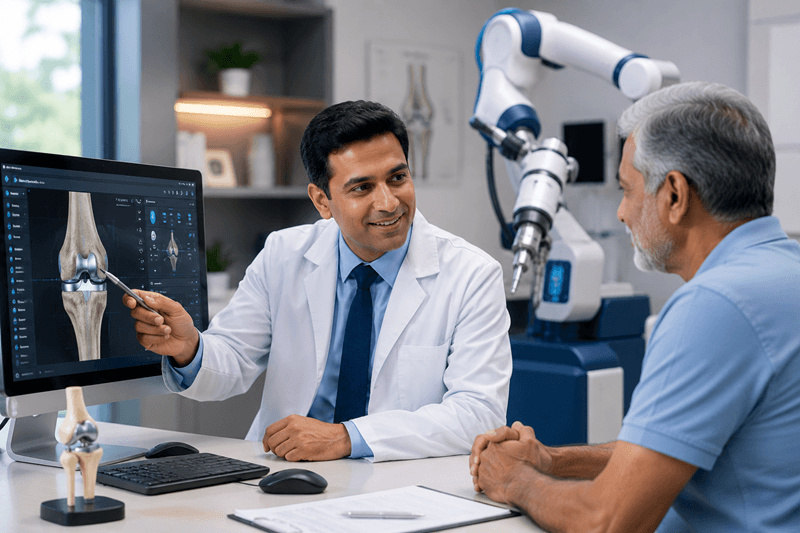
During robotic-assisted knee replacement, the surgical team may use medical imaging and computer software to assess the patient's knee anatomy. Depending on the system, this information can help plan implant size, position, and alignment. Robotic instruments or computer navigation may then assist the surgeon in following the planned approach.
The robotic system does not independently perform the entire operation. The orthopaedic surgeon remains responsible for the treatment plan, surgical decisions, and procedure. Three-dimensional planning is a tool to support surgical preparation, not a guarantee of a particular result.
How Does 3D Planning Help in Knee Replacement?
Every patient's knee anatomy, joint damage, mobility, and soft-tissue condition are different. A three-dimensional plan may help the surgical team assess these individual factors before surgery.
1. Assessment of Knee Anatomy
The surgeon evaluates the extent of joint damage, alignment, movement, and other relevant clinical findings. Depending on the robotic platform, additional imaging may be used to build a 3D representation of the knee.
2. Planning Implant Size and Position
Computer-based planning can help the surgeon consider the appropriate implant size and planned position for the patient's anatomy. The final decisions depend on clinical findings and the requirements of the operation.
3. Surgical Guidance
Some robotic systems use navigation and specialised instruments to provide information about the position of surgical tools. This can help the surgeon follow the planned approach during selected steps.
4. Individualised Surgical Assessment
A 3D plan provides another way to evaluate the patient's knee before surgery. The surgeon uses this information alongside physical examination, imaging, medical history, and professional judgement.
Not every patient requires additional 3D imaging or robotic assistance. The appropriate technology depends on the diagnosis, surgical requirements, and available system.
When Is Knee Replacement Surgery Recommended?
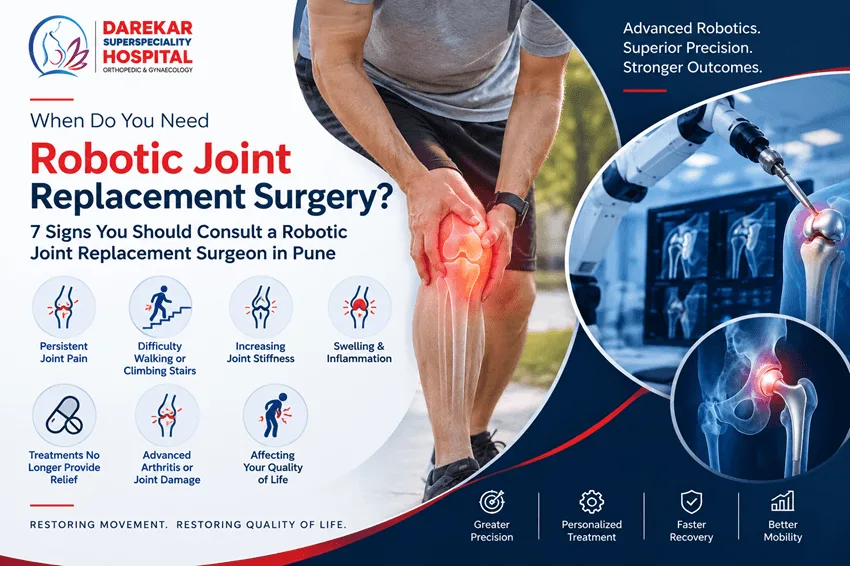
Knee replacement may be considered when significant joint damage causes persistent pain and limits daily activities despite appropriate non-surgical treatment.
Common reasons for considering knee replacement include:
Osteoarthritis of the Knee
Osteoarthritis causes the protective cartilage in the knee to wear down. As the condition progresses, patients may experience pain, stiffness, swelling, and difficulty walking or climbing stairs.
Rheumatoid Arthritis
Rheumatoid arthritis is an inflammatory condition that can damage the tissues inside the knee joint. In advanced cases, joint pain and reduced movement may affect everyday activities.
Previous Knee Injury
Some previous injuries can contribute to joint damage over time. Depending on the extent of the damage and the patient's symptoms, knee replacement may be considered.
Severe Joint Damage and Reduced Mobility
When the knee joint is significantly damaged and other treatments do not provide adequate relief, the surgeon may discuss total or partial knee replacement.
The decision should be based on symptoms, clinical examination, imaging, general health, and treatment goals. Knee pain alone does not automatically mean that replacement surgery is necessary.
Total Knee Replacement vs Partial Knee Replacement
The type of knee replacement depends on which parts of the joint are damaged and whether the remaining joint structures are suitable for preservation.
Total Knee Replacement: In total knee replacement, the damaged joint surfaces are replaced with artificial components. This may be considered when damage affects multiple areas of the knee.
Partial Knee Replacement: In selected patients, damage may be limited to one compartment of the knee. Partial knee replacement replaces the affected compartment while preserving more of the healthy bone, cartilage, and ligaments.
Robotic assistance may be used for certain total or partial knee replacement procedures, depending on the system and the surgeon's assessment. Not every patient is suitable for partial replacement, and the final choice should be made after an individual evaluation.
Potential Benefits of 3D Robotic Knee Replacement
Three-dimensional planning and robotic assistance may offer useful support during selected knee replacement procedures. Potential benefits depend on the technology, the patient's anatomy, and the surgeon's experience.
Personalised surgical planning: 3D planning may help the surgeon assess individual knee anatomy before the operation.
Support for implant positioning: Navigation and robotic tools may help guide the surgeon in following the planned position and alignment.
Assessment of anatomical variation: Planning tools may be useful when the patient's anatomy presents specific surgical considerations.
Preoperative preparation: Computer-based planning can help the team evaluate implant size and the intended surgical approach.
Technology-assisted guidance: Some systems provide information during surgery that supports selected surgical steps.
These potential benefits should be considered alongside limitations, additional costs, and possible risks. Robotic assistance does not guarantee less pain, faster recovery, longer implant life, or a better result for every patient. Conventional knee replacement can also be an appropriate option.
3D Robotic Knee Replacement vs Conventional Knee Replacement
Both robotic-assisted and conventional knee replacement aim to replace damaged joint surfaces and help reduce pain while improving function.
In conventional surgery, the surgeon uses established preoperative planning methods, surgical instruments, and alignment guides. Robotic-assisted surgery may add three-dimensional planning, navigation, or specialised robotic tools to guide selected steps of the procedure.
The choice depends on the patient's diagnosis, knee anatomy, surgeon's assessment, technology availability, potential risks, and cost. Patients should ask their surgeon to explain the practical advantages and limitations of each approach in their specific case.
The most important consideration is choosing an appropriate treatment plan and a qualified orthopaedic surgeon who can explain the options clearly.
How to Choose a 3D Robotic Knee Replacement Surgeon in Pune
Choosing a surgeon is an important decision when considering knee replacement. Patients should look beyond the name of a technology and understand the surgeon's qualifications, experience, and overall treatment approach.
Consider the following factors:
Relevant qualifications: Check the surgeon's orthopaedic qualifications and experience in knee replacement.
Experience with robotic-assisted procedures: Ask whether the surgeon performs the proposed procedure and is trained to use the relevant system.
Clear treatment explanation: The surgeon should explain the diagnosis, available options, expected benefits, limitations, and risks.
Suitable hospital facilities: Ask about the operating facilities, postoperative monitoring, and support available during recovery.
Rehabilitation planning: Understand the physiotherapy programme, follow-up appointments, and guidance for returning to everyday activities.
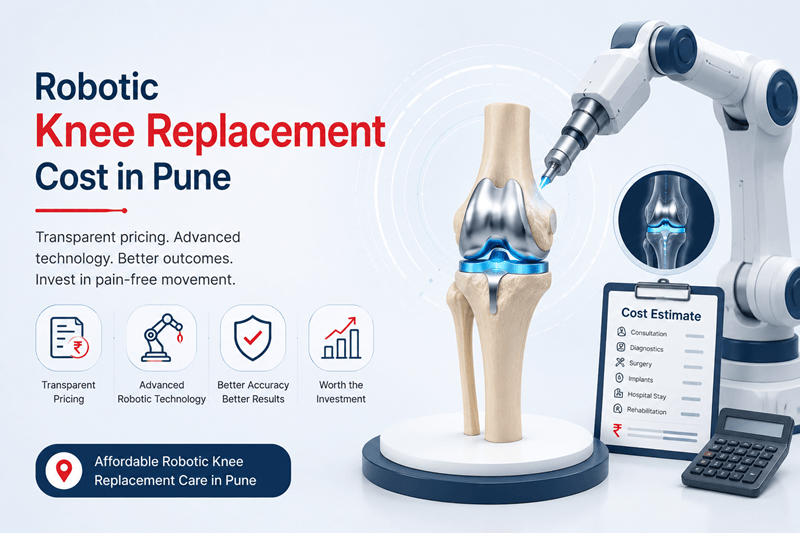
Transparent cost discussion: Ask about the overall treatment cost, including any additional imaging, implants, hospital stay, and rehabilitation.
A consultation should give you an opportunity to ask questions and understand why a particular approach is recommended for your knee.
What Are the Risks of Robotic Knee Replacement?
Knee replacement is an established procedure, but it has potential risks. These may include:
Infection
Blood clots
Bleeding
Nerve or blood vessel injury
Knee stiffness or persistent pain
Implant loosening or wear over time
Problems with wound healing
Complications related to anaesthesia or existing medical conditions
Depending on the robotic system, additional imaging may be needed, and navigation pins may introduce specific risks. Robotic assistance does not eliminate the risks associated with knee replacement.
The surgeon should explain the risks that are relevant to your health, the planned procedure, and the technology being considered.
Recovery After 3D Robotic Knee Replacement Surgery
Recovery varies from person to person. Factors such as general health, muscle strength, the extent of joint damage, surgical approach, and participation in rehabilitation can influence progress.
Early Recovery
After surgery, the medical team monitors the patient's condition and provides instructions for pain management, wound care, and safe movement. Standing and walking with assistance may begin when the surgeon and rehabilitation team consider it appropriate.
Physiotherapy and Exercise
Physiotherapy may help improve knee movement, strength, balance, and walking ability. Patients should follow the prescribed exercises and avoid activities that their surgeon has restricted.
Returning to Daily Activities
Patients gradually work towards everyday activities as recovery progresses. The timeline for walking independently, returning to work, driving, or resuming exercise differs between individuals. These activities should be resumed according to the treating team's advice.
Follow-Up Appointments
Follow-up visits help the surgeon monitor healing, movement, and implant-related concerns. Patients should follow the recommended rehabilitation plan and seek medical advice if they notice increasing wound redness, drainage, fever, or worsening pain. Sudden breathlessness or chest pain requires emergency medical attention.
Robotic technology does not remove the need for rehabilitation. Following the prescribed recovery plan remains an important part of treatment.
Why Consult Dr. Mangesh Darekar for Knee Replacement in Pune?
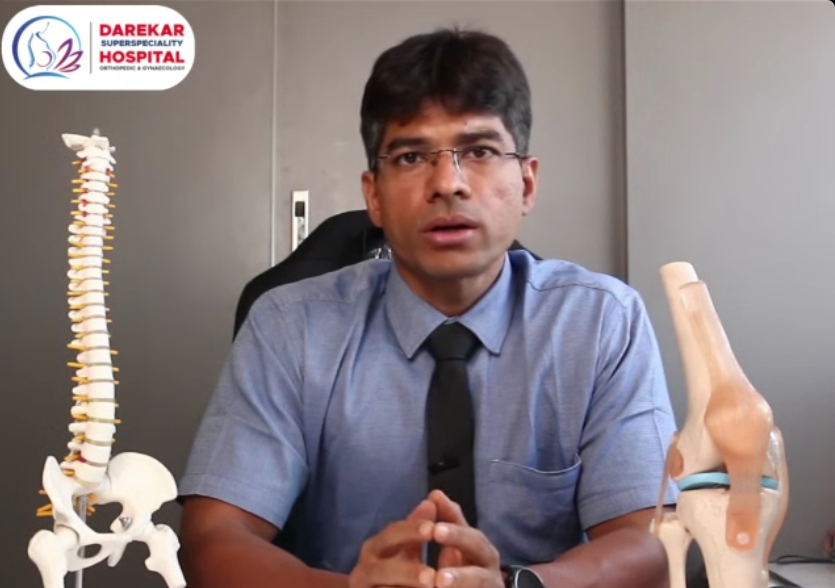
Patients experiencing persistent knee pain can enquire about an orthopaedic consultation with Dr. Mangesh Darekar at Darekar Superspeciality Hospital and Robotic Joint Replacement Centre in Pune.
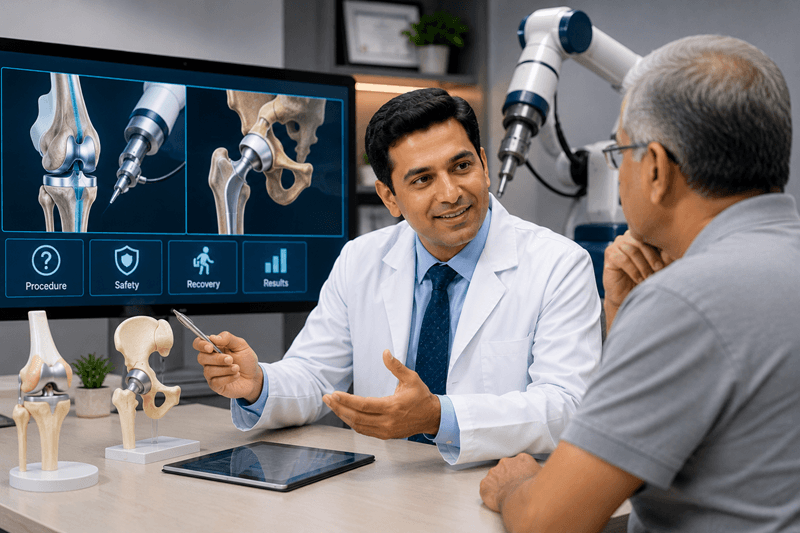
A consultation can help assess the cause of knee pain, review relevant imaging, and determine whether non-surgical treatment, total knee replacement, partial knee replacement, or another option may be appropriate.
Patients interested in 3D robotic knee replacement should discuss the technology available, the surgeon's experience with the proposed procedure, possible benefits and limitations, risks, costs, and postoperative rehabilitation requirements.
Treatment recommendations should be based on an individual clinical assessment rather than technology alone.
Book a Consultation for 3D Robotic Knee Replacement in Pune
If knee pain is affecting your walking, mobility, or quality of life, an orthopaedic consultation can help you understand the cause of your symptoms and the available treatment options.
Hospital: Darekar Superspeciality Hospital and Robotic Joint Replacement Centre
Address: 2nd Floor, Shivpushpa Landmark, Sinhagad Road, Sun City Road, above Bharti Bazaar, Pune, Maharashtra 411041
Phone: +91 97669 55988
Website: https://www.roboticjointreplacementpune.com/
Contact the hospital to enquire about an appointment and discuss whether robotic-assisted knee replacement may be suitable for your condition.
Conclusion
3D robotic knee replacement combines established knee replacement techniques with computer-assisted planning, navigation, or robotic instruments when appropriate. These technologies may help the surgical team plan and guide selected steps of the operation, but they do not guarantee a particular outcome or eliminate surgical risks.
For patients searching for a 3D robotic knee replacement surgeon in Pune, an individual consultation is the best way to understand the available treatment options, potential benefits, limitations, costs, and recovery requirements.
Medical Disclaimer: This article is for general educational purposes only and does not replace professional medical advice, diagnosis, or treatment. Consult a qualified orthopaedic surgeon for advice specific to your condition.




.png)
.jpg)