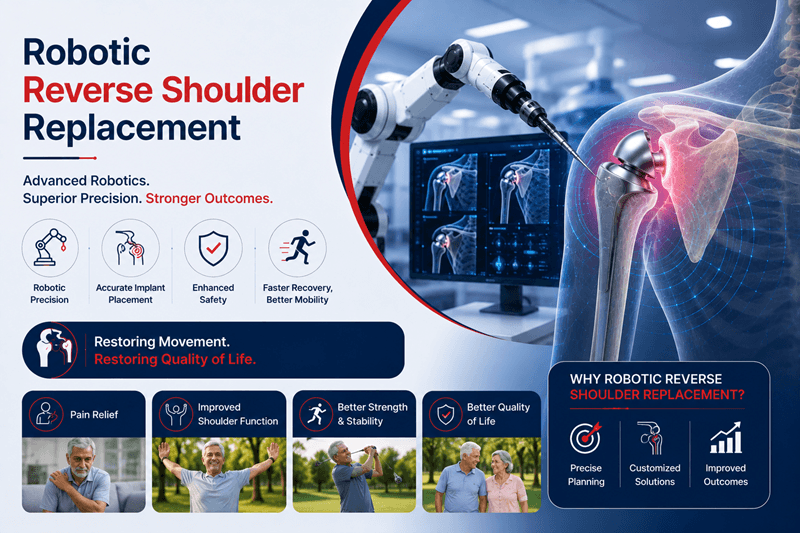
Robotic Reverse Shoulder Replacement
Shoulder pain and loss of mobility can significantly impact daily activities, making simple tasks such as lifting objects, reaching overhead, or getting dressed difficult. For patients with severe shoulder arthritis or irreparable rotator cuff damage, Reverse Shoulder Replacement may provide an effective solution. Robotic Reverse Shoulder Replacement combines advanced technology with surgical expertise to enhance precision and improve treatment outcomes.
What is Robotic Reverse Shoulder Replacement?
Robotic Reverse Shoulder Replacement is a specialized surgical procedure in which the normal ball-and-socket structure of the shoulder joint is reversed. The artificial ball component is attached to the shoulder blade, while the socket component is placed on the upper arm bone.
This design allows the deltoid muscle to take over much of the work normally performed by a damaged rotator cuff, helping restore shoulder movement and function.
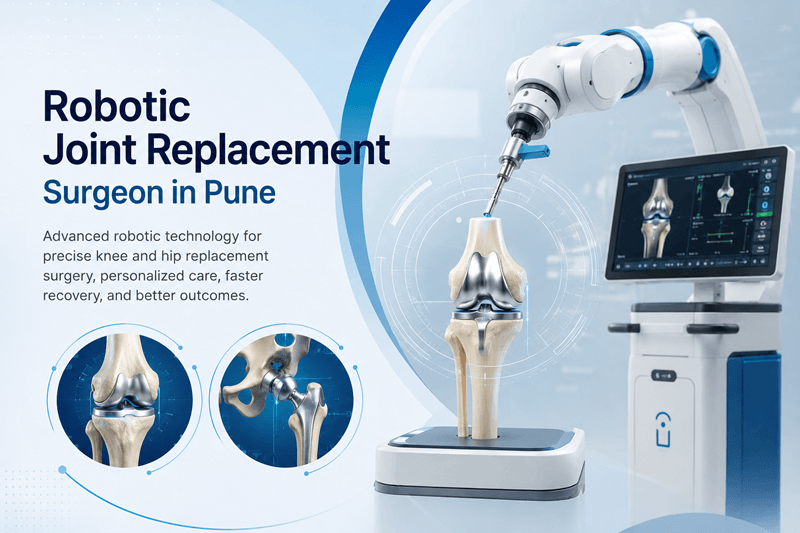
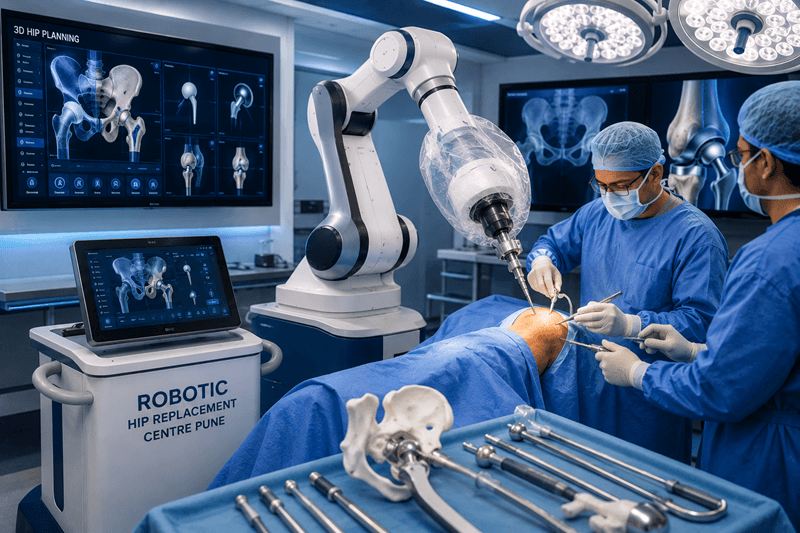
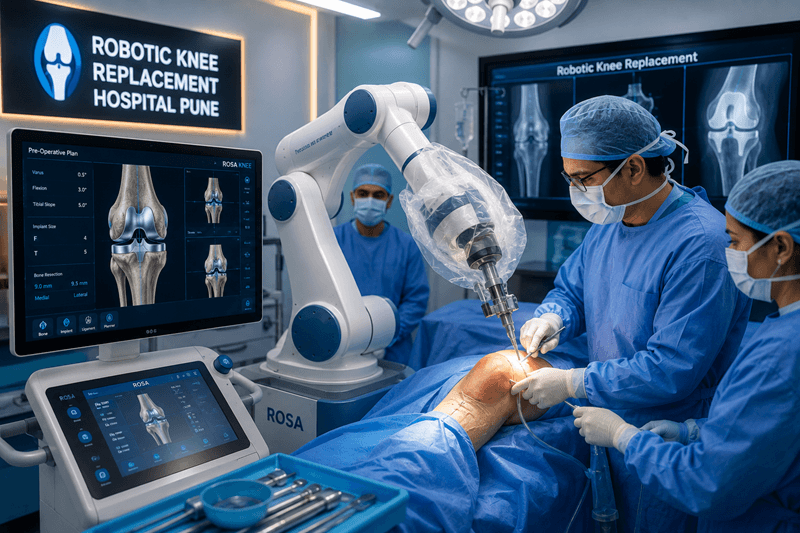
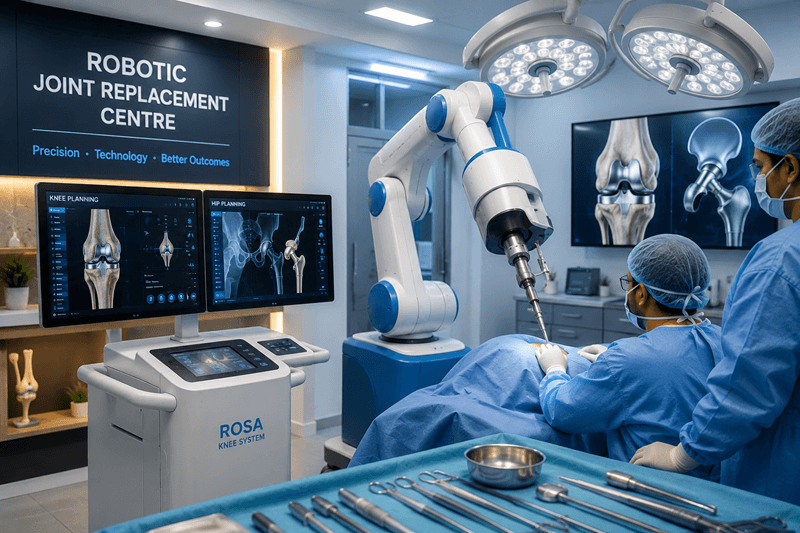
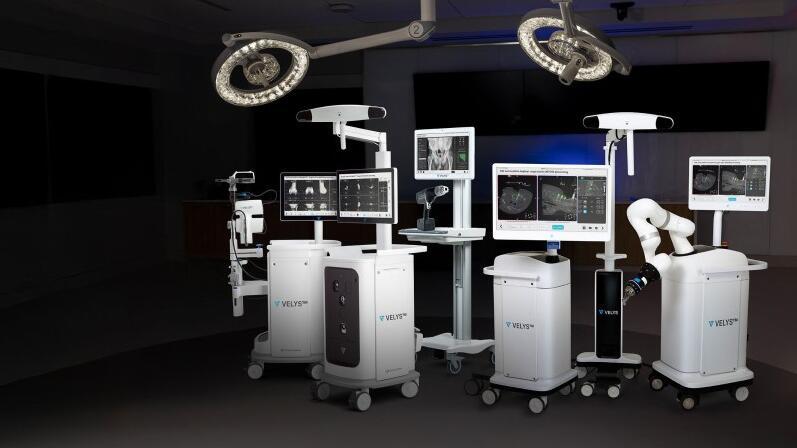
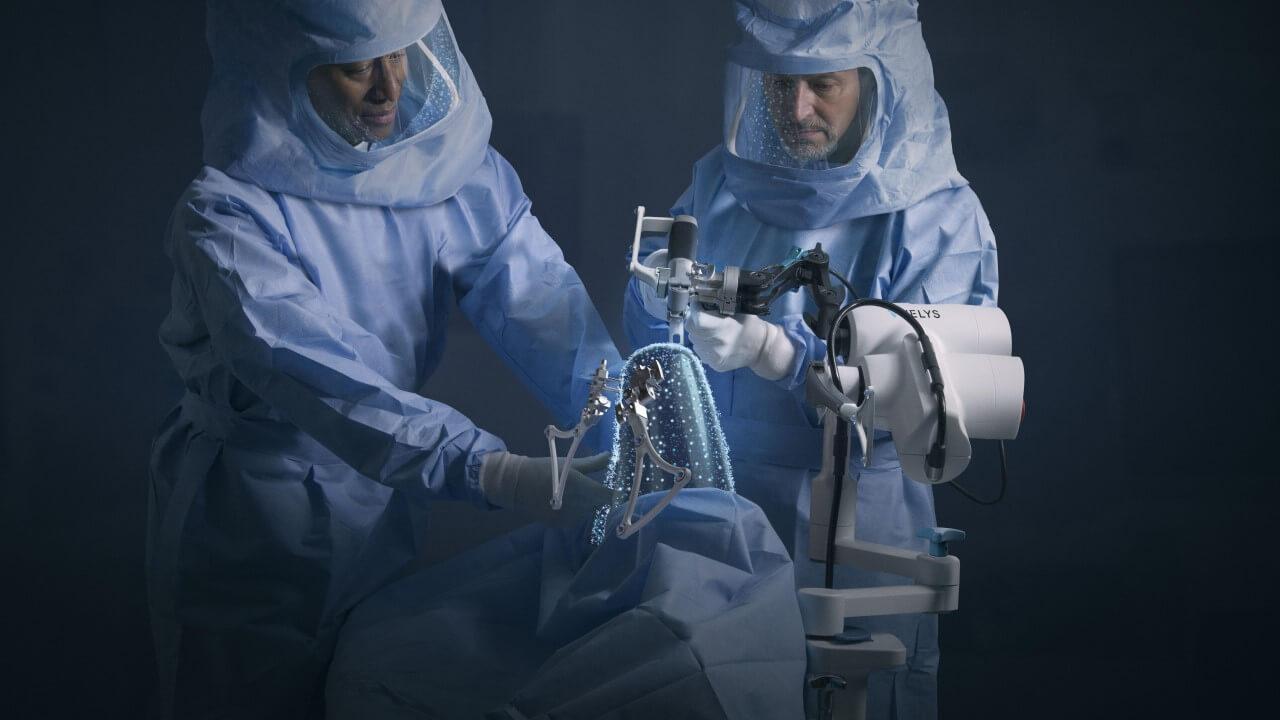
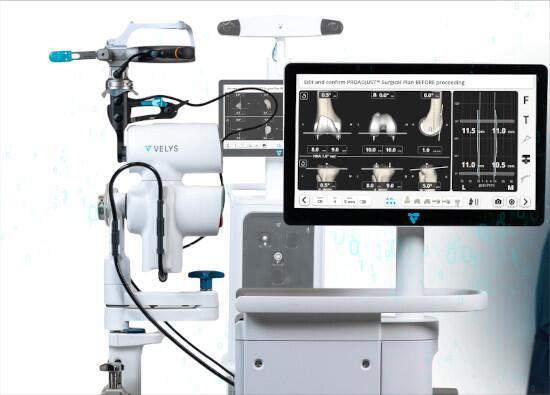
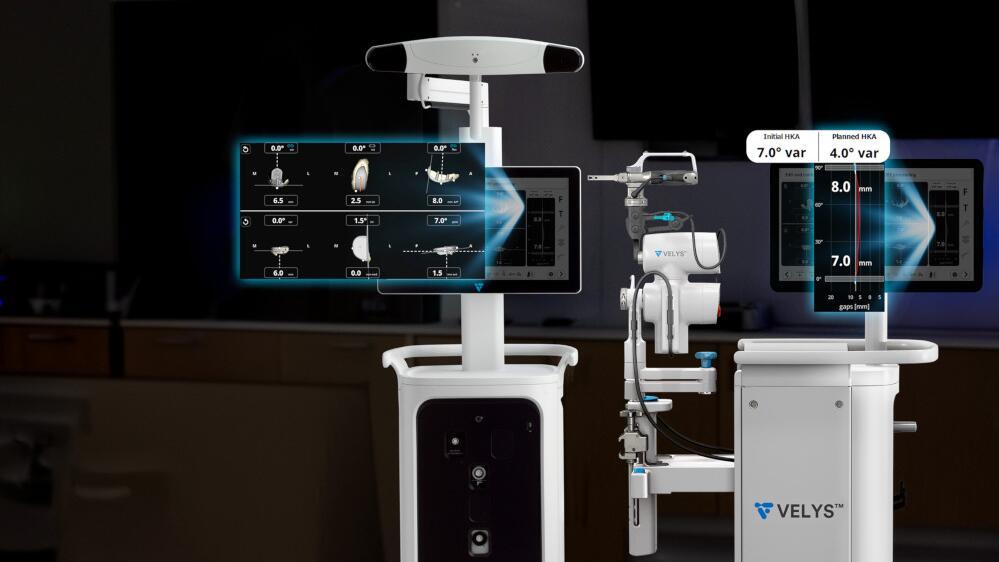
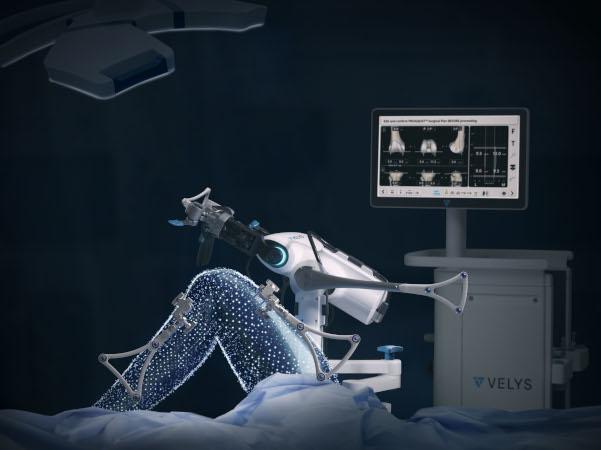
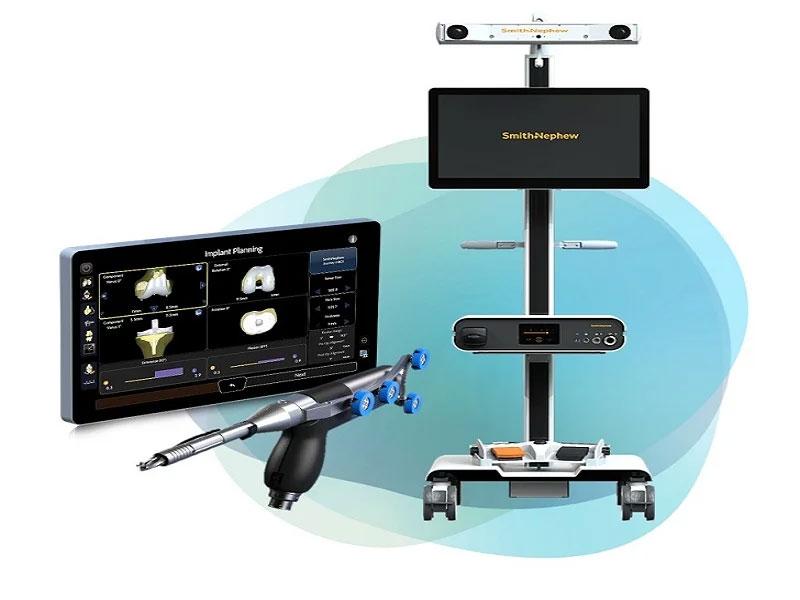
Robotic technology assists surgeons with preoperative planning and precise implant placement, ensuring a personalized approach for each patient.
When is Reverse Shoulder Replacement Recommended?
This procedure may be recommended for patients with:
- Severe shoulder arthritis
- Rotator cuff tear arthropathy
- Massive irreparable rotator cuff tears
- Complex shoulder fractures
- Failed previous shoulder replacement
- Chronic shoulder pain and weakness
- Significant loss of shoulder function
An orthopedic specialist can determine whether reverse shoulder replacement is the most suitable treatment option.
Benefits of Robotic Reverse Shoulder Replacement
Robotic-assisted surgery offers several advantages, including:
- Enhanced surgical precision
- Accurate implant positioning
- Personalized surgical planning
- Improved shoulder stability
- Better restoration of shoulder movement
- Reduced risk of implant malalignment
- Improved joint mechanics
- Enhanced functional outcomes
- Potential for improved implant longevity
How the Procedure Works
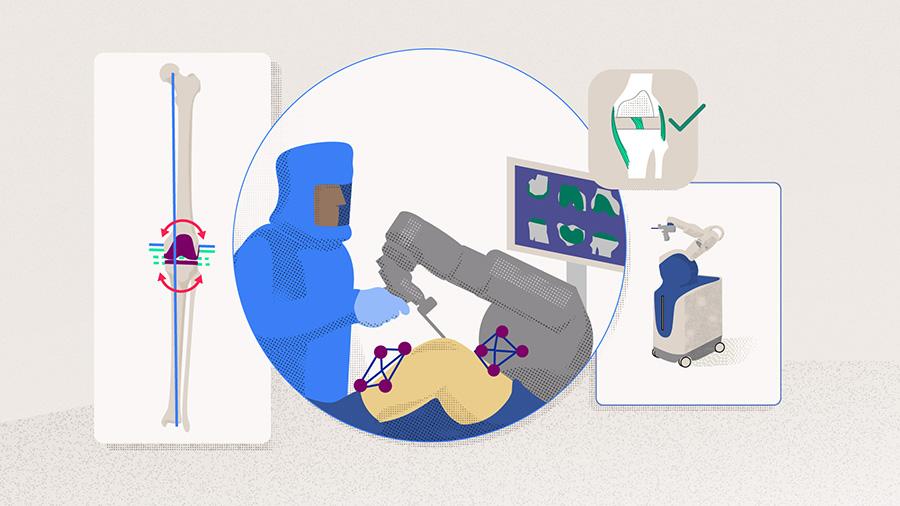
Prior to surgery, advanced imaging technology is used to create a detailed 3D model of the patient's shoulder. This allows the surgeon to develop a customized surgical plan based on the patient's anatomy.
During the procedure:
- Damaged portions of the shoulder joint are removed.
- The robotic system assists with precise preparation of the bone.
- The reverse shoulder implants are positioned according to the surgical plan.
- Implant alignment and stability are carefully verified.
- The shoulder's range of motion and function are assessed before completion.
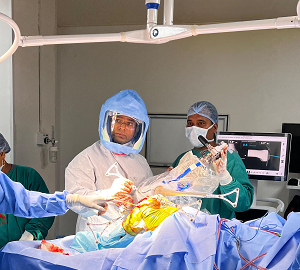
The surgeon remains in complete control throughout the procedure while benefiting from robotic guidance.
Recovery After Reverse Shoulder Replacement
Recovery varies depending on the patient's condition and overall health.
The rehabilitation process typically includes:
- Temporary use of a shoulder sling
- Guided physical therapy
- Gradual restoration of shoulder movement
- Strengthening exercises
- Progressive return to daily activities
Most patients experience significant improvements in pain relief, mobility, and shoulder function during the recovery process.
Why Choose Robotic Technology for Shoulder Replacement?
The shoulder is a highly complex joint that requires precise implant positioning for optimal performance. Robotic technology helps surgeons achieve greater accuracy during surgery, supporting improved joint alignment and function.
By enhancing surgical planning and execution, robotic-assisted shoulder replacement aims to deliver more predictable and personalized results.
Who is a Good Candidate?
You may be a candidate for Robotic Reverse Shoulder Replacement if you:
- Have severe shoulder arthritis
- Suffer from a large, irreparable rotator cuff tear
- Experience chronic shoulder pain and weakness
- Have limited shoulder mobility
- Have not achieved relief through non-surgical treatments
- Require revision shoulder surgery
A comprehensive orthopedic evaluation is necessary to determine whether this procedure is appropriate for your condition.
Conclusion
Robotic Reverse Shoulder Replacement is an advanced treatment option for patients with severe shoulder damage, arthritis, or rotator cuff-related conditions. By combining robotic precision with orthopedic expertise, this innovative procedure helps improve implant placement, restore shoulder function, and enhance quality of life. Patients seeking long-term relief from shoulder pain and disability may benefit significantly from robotic-assisted reverse shoulder replacement surgery.

.png)
.jpg)