Robotic ACL Reconstruction: Restoring Knee Strength with Advanced Technology
An Anterior Cruciate Ligament (ACL) injury is one of the most common knee injuries, particularly among athletes and physically active individuals. A torn ACL can lead to knee instability, pain, swelling, and difficulty performing daily activities or sports. Robotic ACL Reconstruction utilizes advanced technology to assist surgeons in achieving greater precision during ligament reconstruction, helping patients return to an active lifestyle with confidence.
What is Robotic ACL Reconstruction?
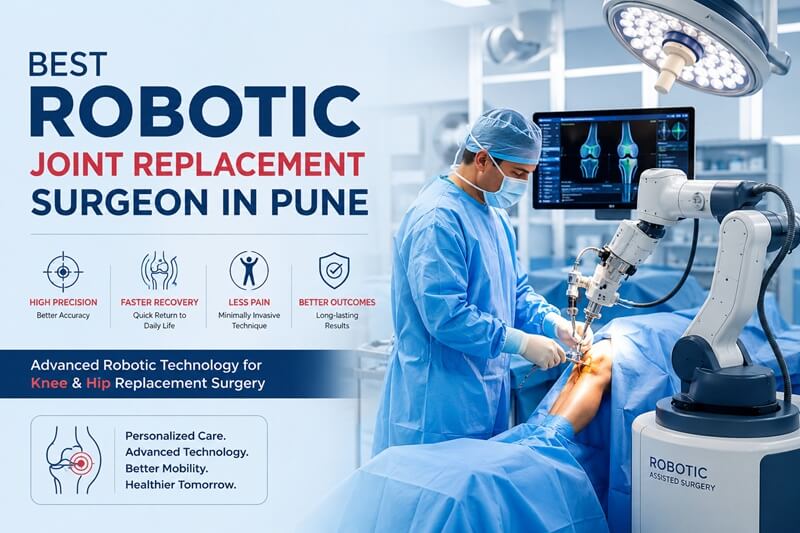
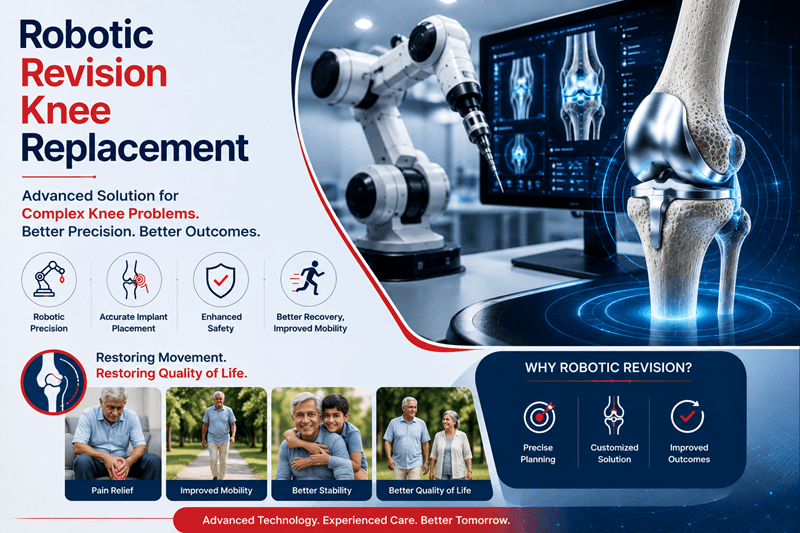
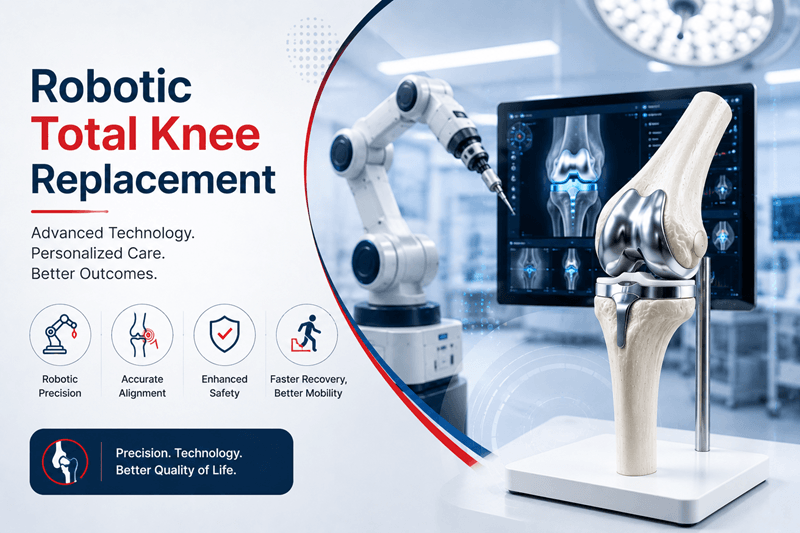
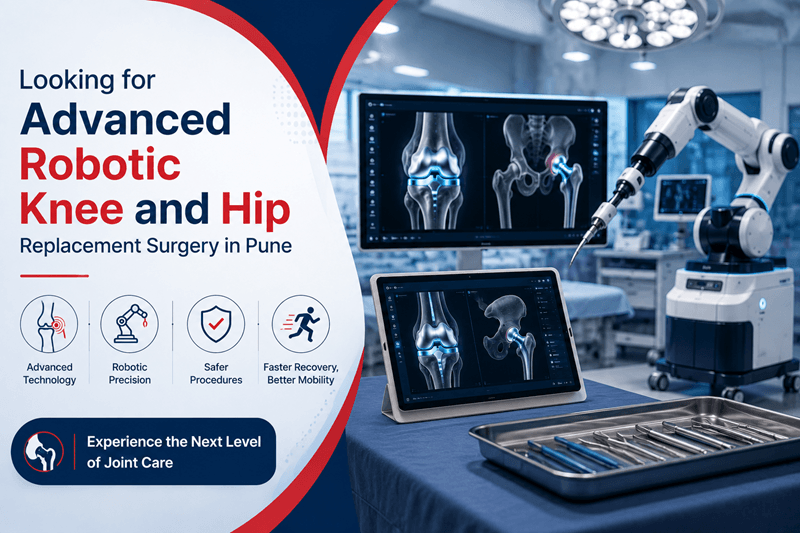
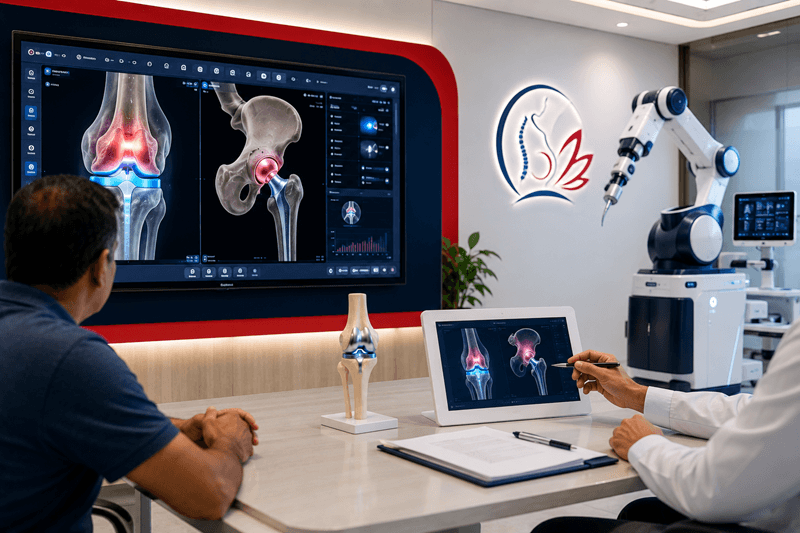
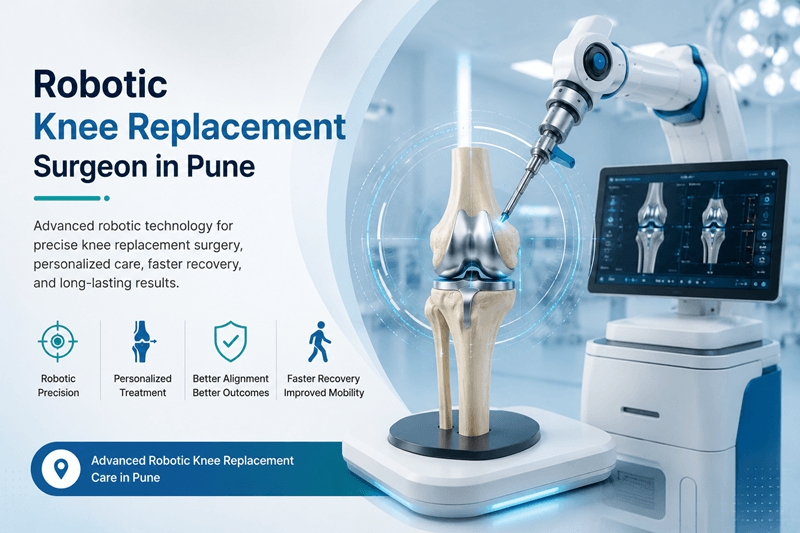
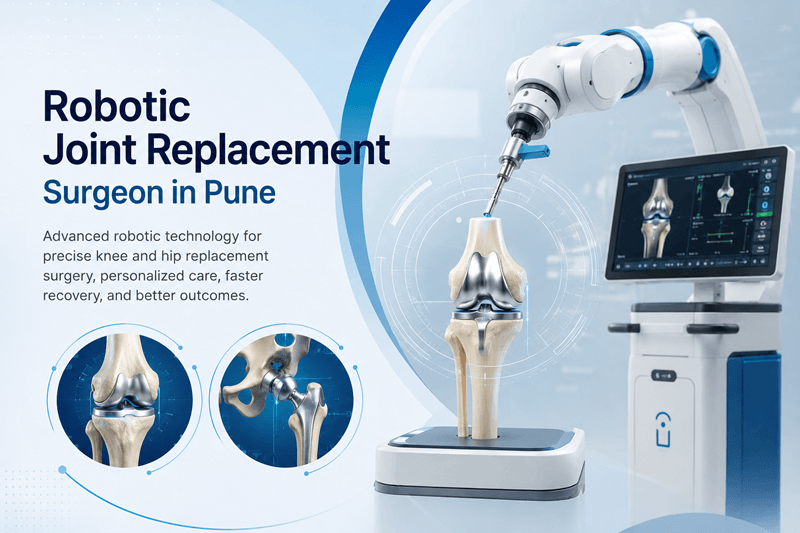
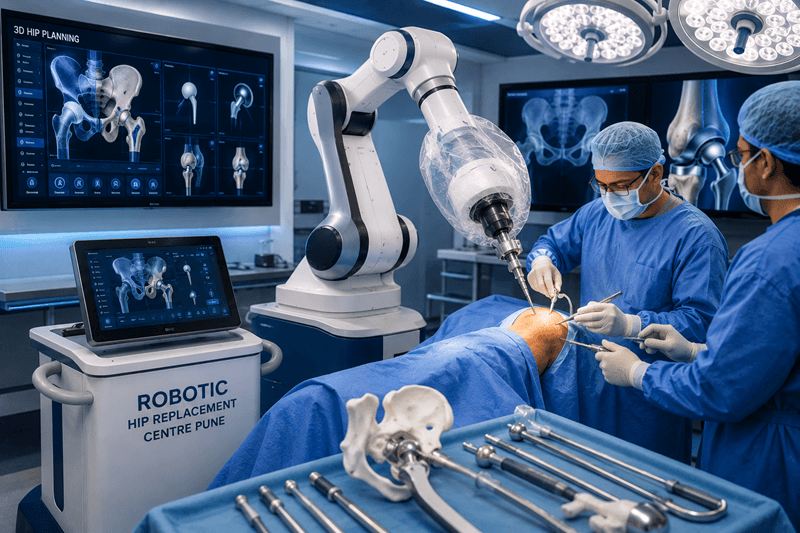
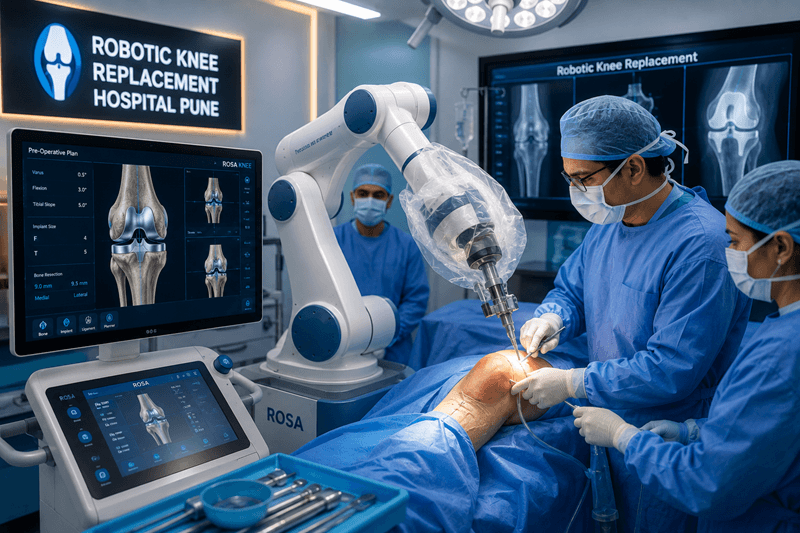
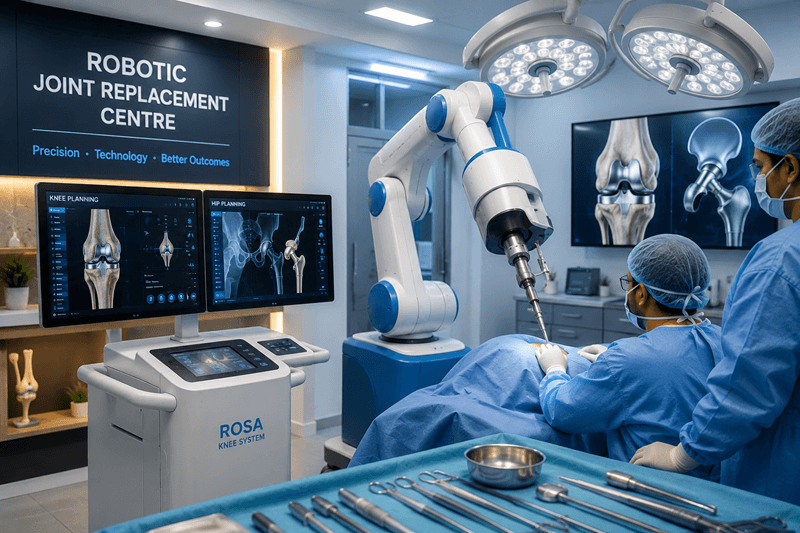
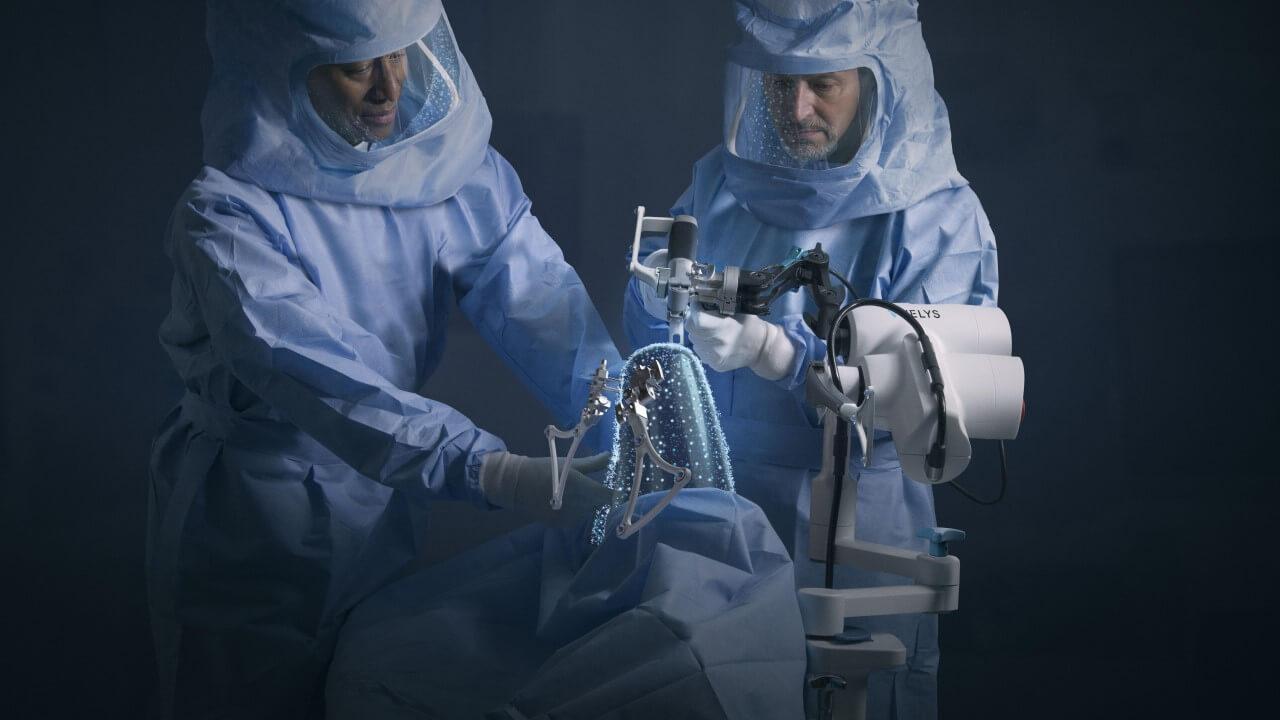
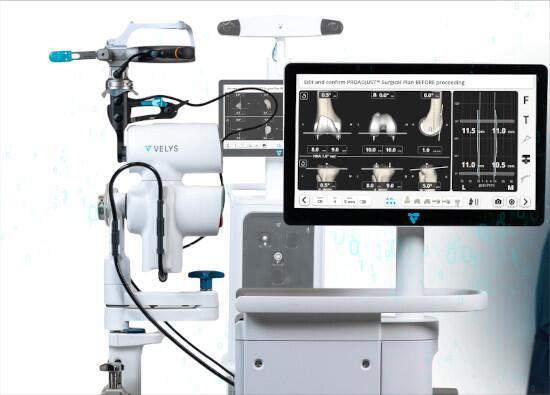
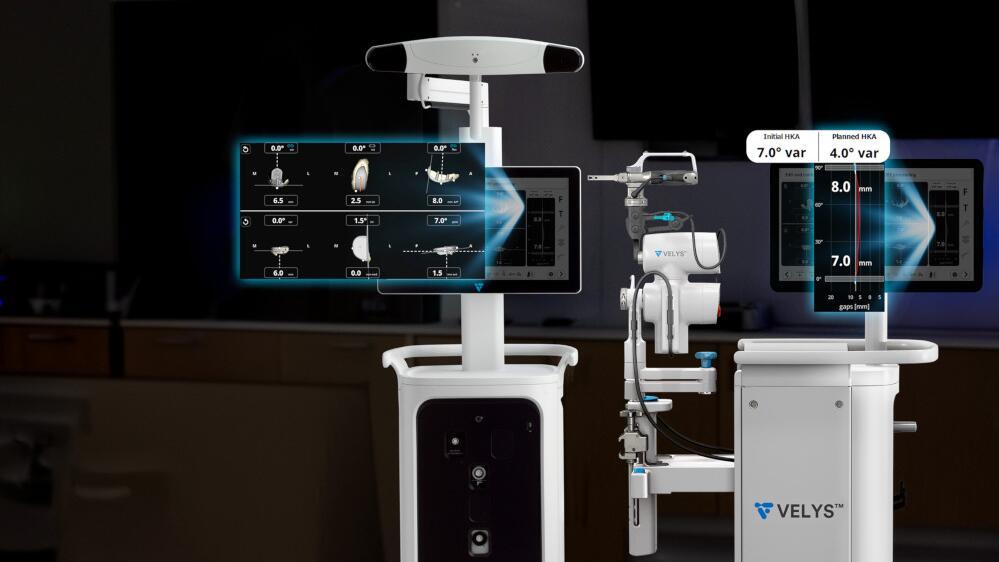
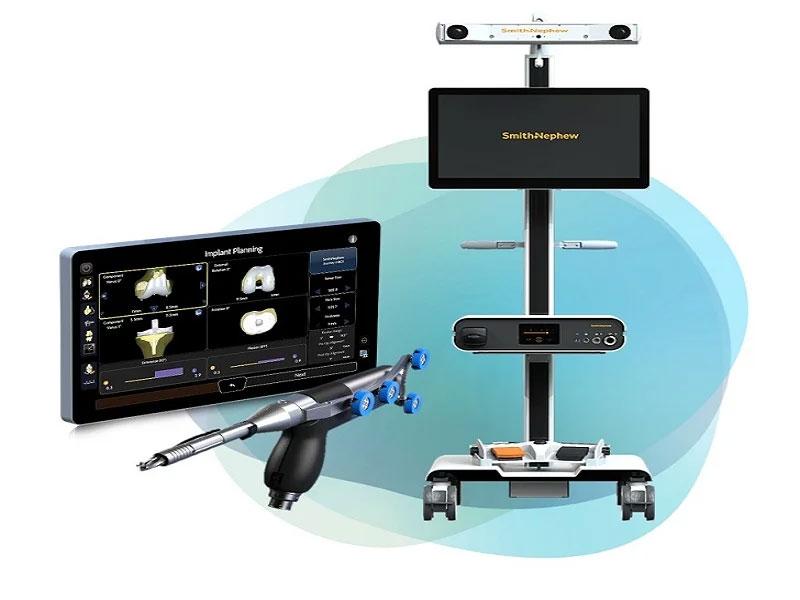
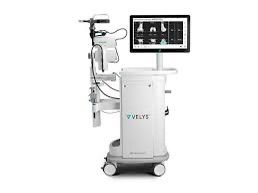
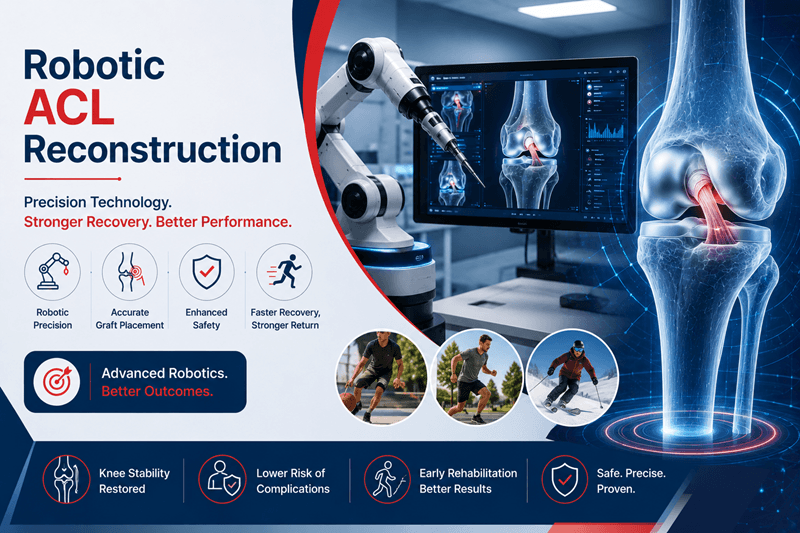
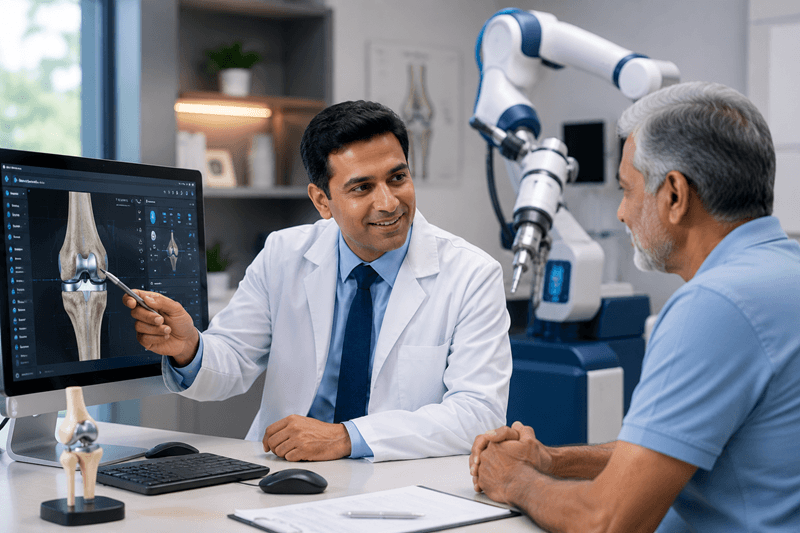
Robotic ACL Reconstruction is a modern surgical procedure designed to repair or reconstruct a torn ACL using robotic-assisted technology. The robotic system helps surgeons plan and execute the procedure with enhanced accuracy, ensuring optimal placement of the reconstructed ligament and improved knee alignment.
This technology complements the surgeon's expertise by providing detailed anatomical insights and real-time guidance throughout the surgery.
Understanding ACL Injuries
The ACL is one of the major ligaments that stabilize the knee joint. Injuries commonly occur during activities that involve:
- Sudden changes in direction
- Pivoting movements
- Jumping and landing incorrectly
- Contact sports
- High-impact athletic activities
Symptoms of an ACL injury may include:
- A popping sensation in the knee
- Immediate pain and swelling
- Knee instability
- Difficulty walking or bearing weight
- Reduced range of motion
When is ACL Reconstruction Recommended?
ACL reconstruction may be recommended when:
- The ACL is completely torn
- Knee instability affects daily activities
- The patient wishes to return to sports or physical activities
- Conservative treatments fail to restore function
- Additional knee injuries are present
A thorough orthopedic evaluation helps determine the most suitable treatment plan.
Benefits of Robotic ACL Reconstruction
Robotic-assisted ACL reconstruction offers several advantages:
- Enhanced surgical precision
- Improved graft positioning
- Better knee alignment
- Personalized surgical planning
- Reduced risk of tunnel placement errors
- Improved joint stability
- Potentially faster rehabilitation
- Greater confidence in returning to sports and activities
How the Procedure Works
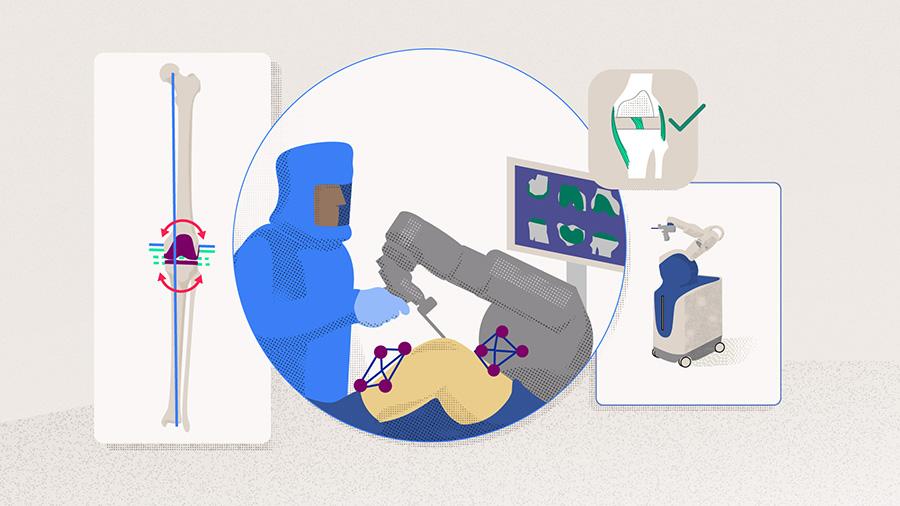
The procedure begins with a comprehensive assessment of the knee using advanced imaging technology. This information is used to create a customized surgical plan tailored to the patient's anatomy.
During surgery:
- The damaged ACL is evaluated.
- A graft is selected to replace the torn ligament.
- Robotic technology assists with precise tunnel placement.
- The new ligament is secured in the optimal position.
- Knee stability and movement are carefully assessed before completion.
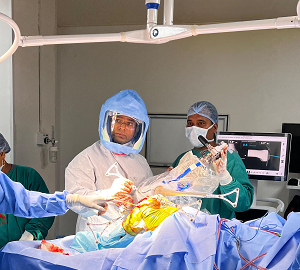
The robotic system provides valuable guidance while the surgeon remains in complete control throughout the procedure.
Recovery and Rehabilitation
Successful ACL reconstruction requires a structured rehabilitation program. Recovery focuses on restoring knee strength, flexibility, and stability.
Recovery typically includes:
- Early mobility exercises
- Gradual weight-bearing activities
- Physical therapy sessions
- Strengthening exercises for the knee and surrounding muscles
- Progressive return to sports and physical activities
The recovery timeline varies depending on individual healing and activity goals.
Why Choose Robotic-Assisted ACL Reconstruction?
Precise ligament placement is one of the most important factors in ACL reconstruction success. Robotic technology helps optimize surgical accuracy, which can contribute to improved knee function and long-term outcomes.
By combining advanced technology with orthopedic expertise, robotic-assisted ACL reconstruction provides a highly personalized approach to knee ligament repair.
Who is a Good Candidate?
You may be a candidate for Robotic ACL Reconstruction if you:
- Have a partial or complete ACL tear
- Experience recurrent knee instability
- Participate in sports or active lifestyles
- Want to return to high-level physical activity
- Have not achieved adequate results with non-surgical treatment
An orthopedic specialist can determine whether robotic-assisted reconstruction is appropriate for your condition.
Conclusion
Robotic ACL Reconstruction represents a significant advancement in sports medicine and orthopedic surgery. With enhanced precision, individualized surgical planning, and improved ligament positioning, this innovative approach helps restore knee stability and function. Patients suffering from ACL injuries can benefit from a treatment strategy designed to support long-term mobility, confidence, and an active lifestyle.


.png)
.jpg)