Robotic Revision Knee Replacement
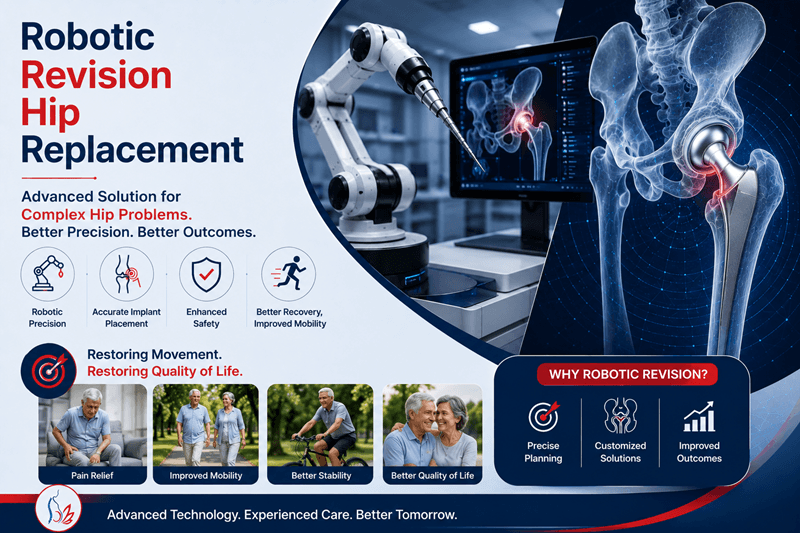
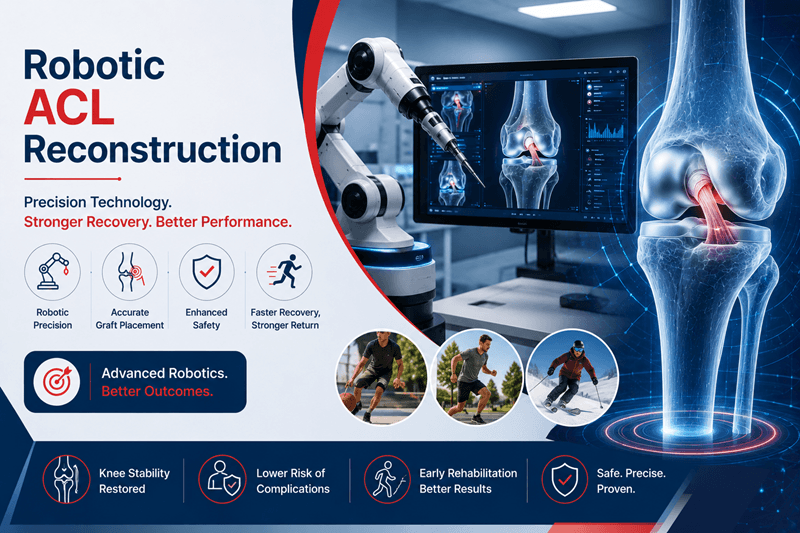
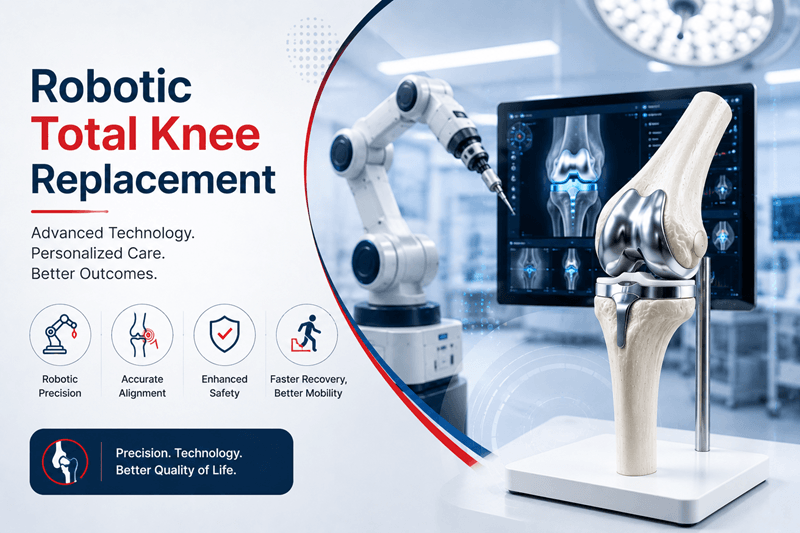
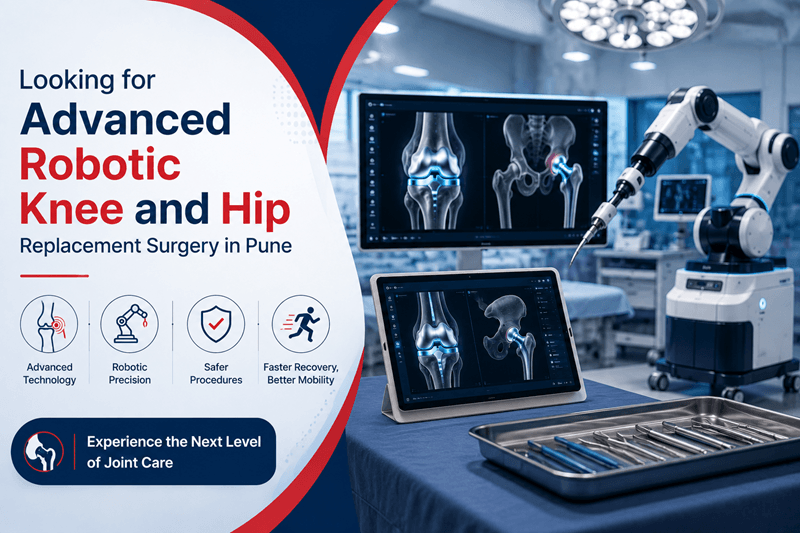
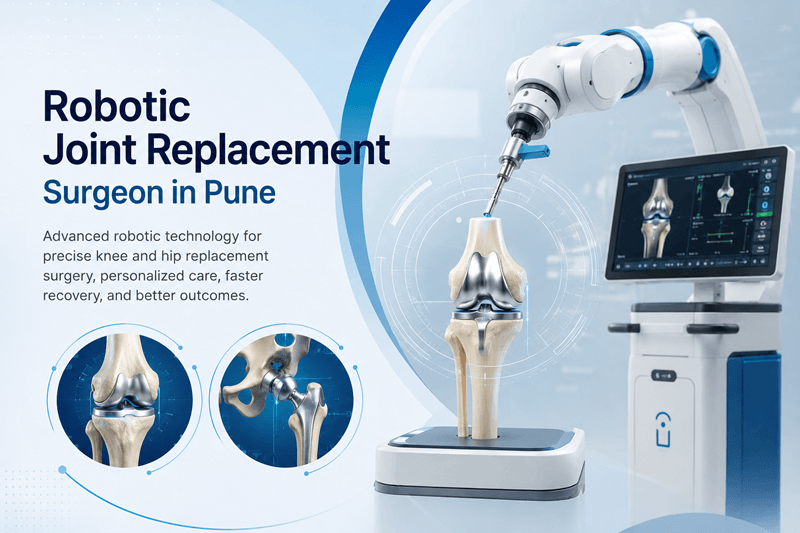
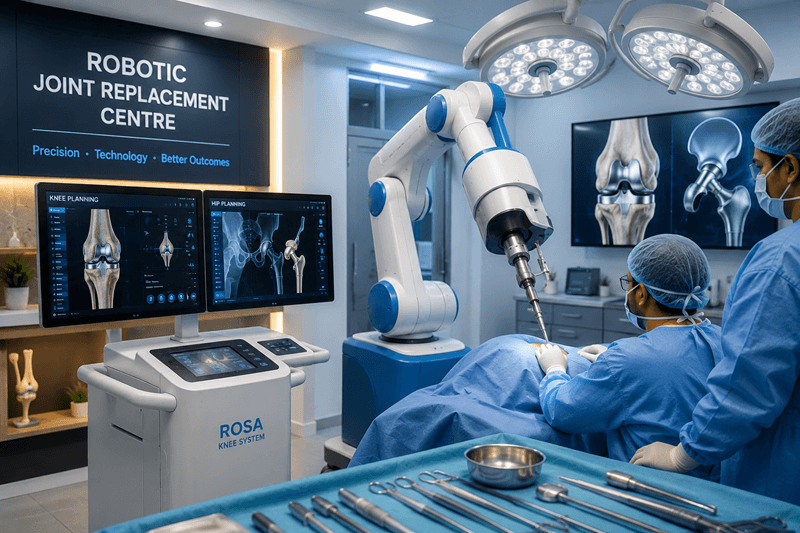
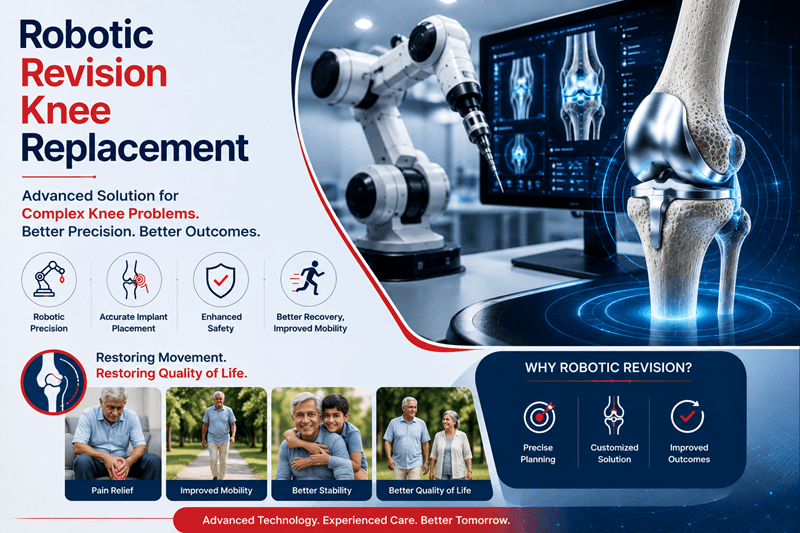
Knee replacement surgery is highly successful in relieving pain and restoring mobility for most patients. However, in some cases, a knee implant may wear out, loosen, become unstable, get infected, or fail over time. When this occurs, a revision knee replacement may be necessary. Robotic Revision Knee Replacement utilizes advanced robotic technology to assist surgeons in performing these complex procedures with enhanced accuracy and precision.
What is Robotic Revision Knee Replacement?
Robotic Revision Knee Replacement is a specialized surgical procedure designed to remove and replace a previously implanted artificial knee joint. Unlike primary knee replacement surgery, revision procedures are often more complex due to changes in bone structure, scar tissue, and existing implant components.
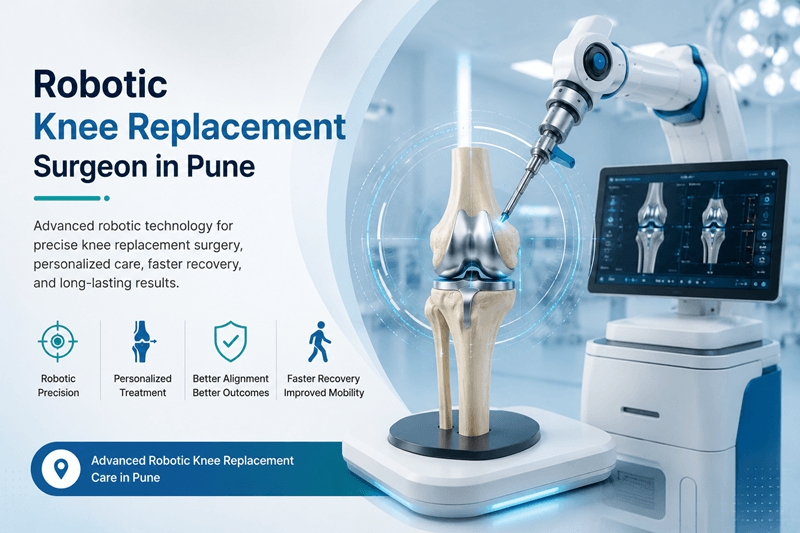
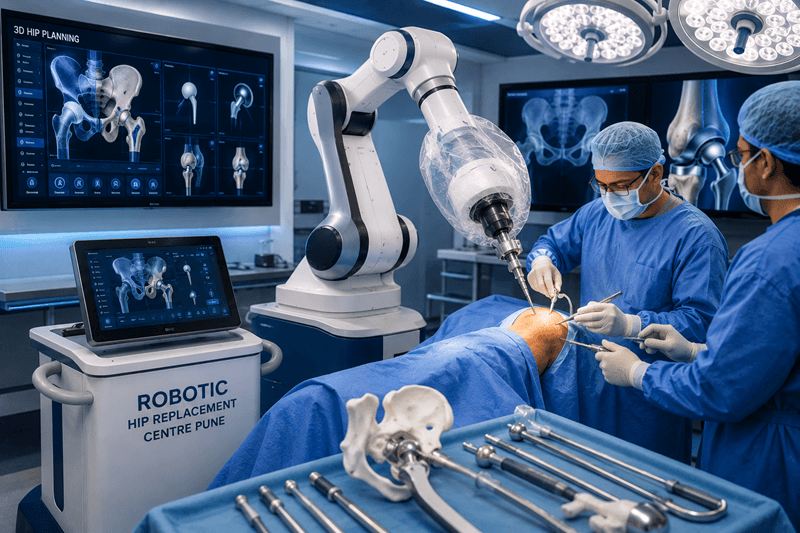
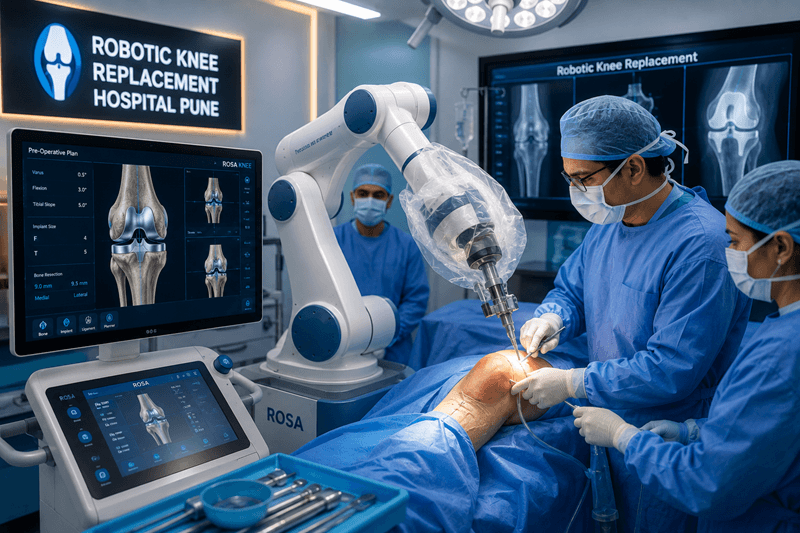
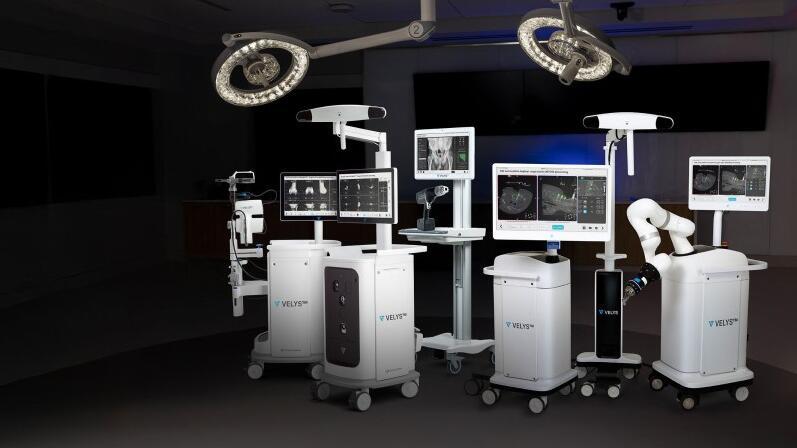
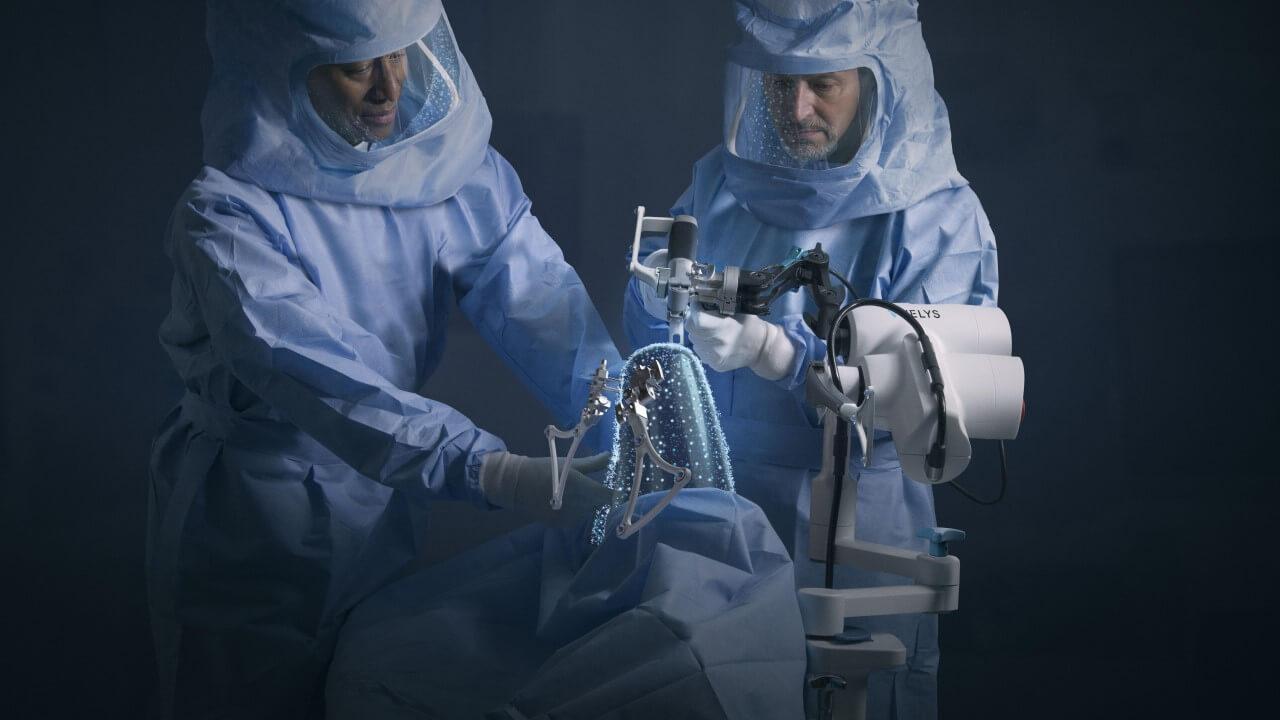
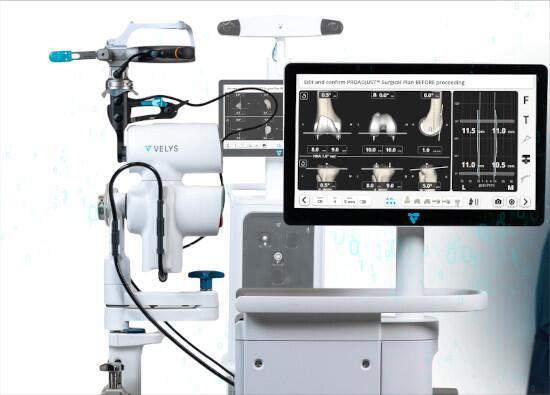
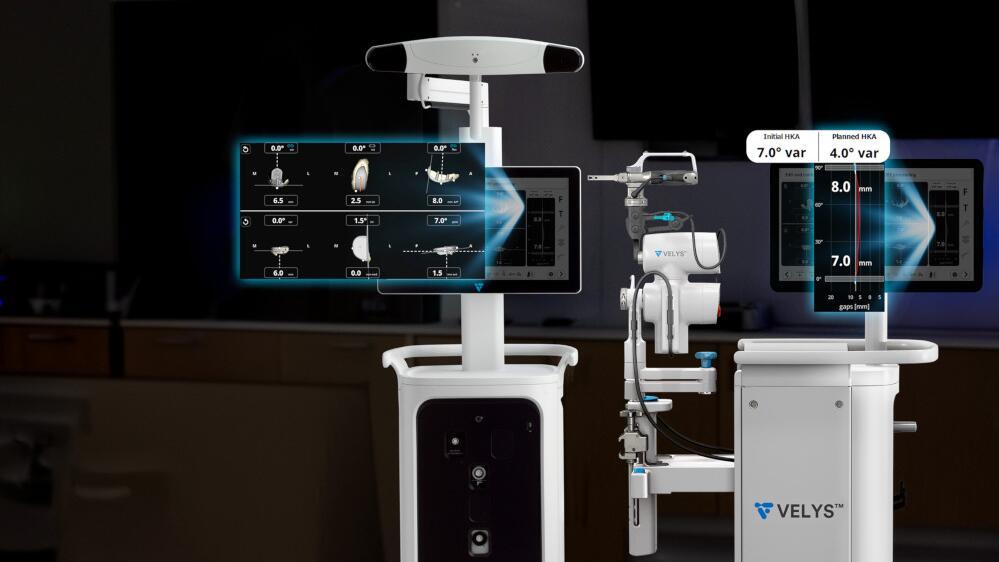
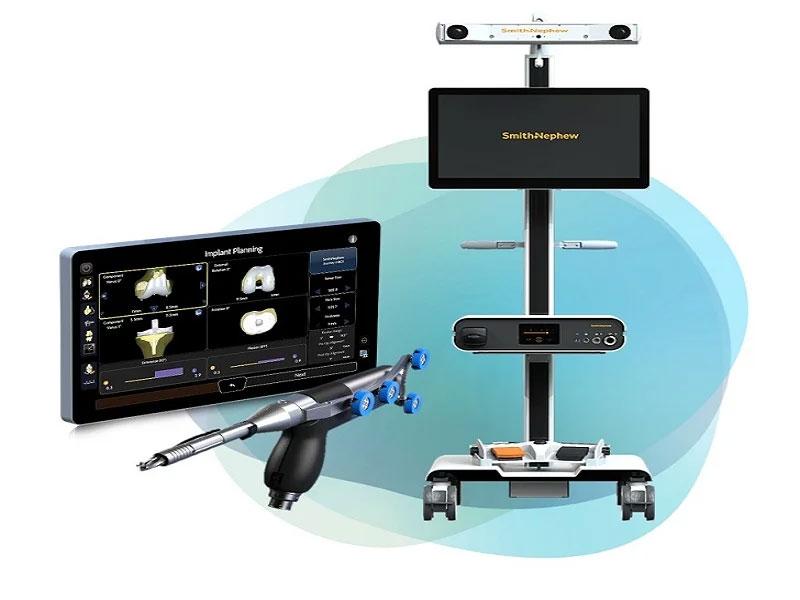
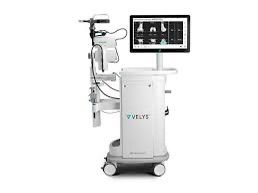
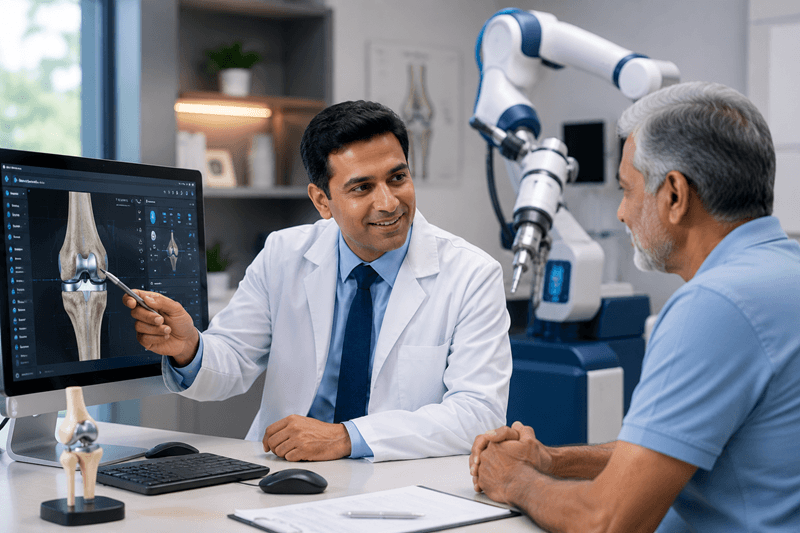
Robotic technology provides detailed planning and real-time surgical guidance, helping surgeons achieve optimal implant positioning and joint alignment during the revision procedure.
Why Might a Knee Replacement Need Revision?
A revision knee replacement may be recommended for several reasons, including:
- Implant loosening
- Wear and tear of implant components
- Persistent knee pain
- Knee instability
- Joint stiffness
- Infection around the implant
- Fractures involving the knee replacement
- Implant failure over time
An orthopedic evaluation helps determine the underlying cause and the most appropriate treatment approach.
Benefits of Robotic Revision Knee Replacement
Robotic-assisted revision surgery offers several potential advantages:
- Enhanced surgical precision
- Improved implant positioning
- Better joint alignment
- Personalized surgical planning
- Increased accuracy during complex procedures
- Improved knee stability
- Reduced risk of implant malposition
- Better functional outcomes
- Greater confidence in long-term implant performance
How the Procedure Works
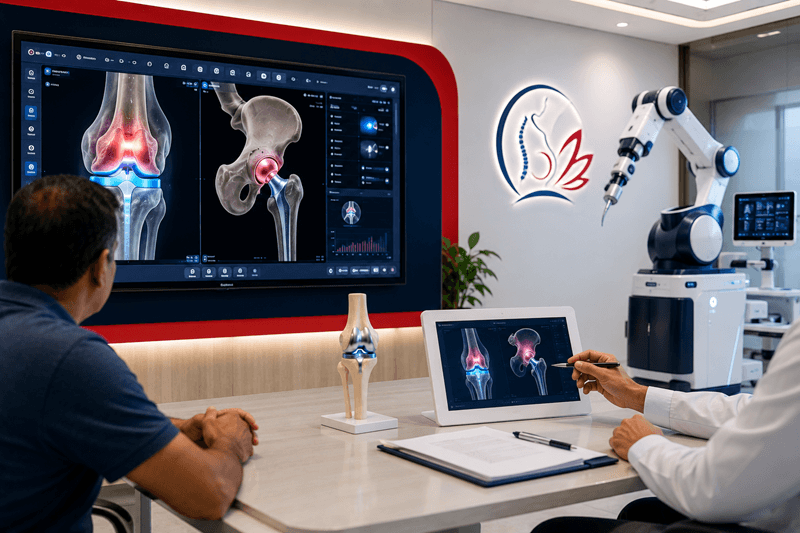
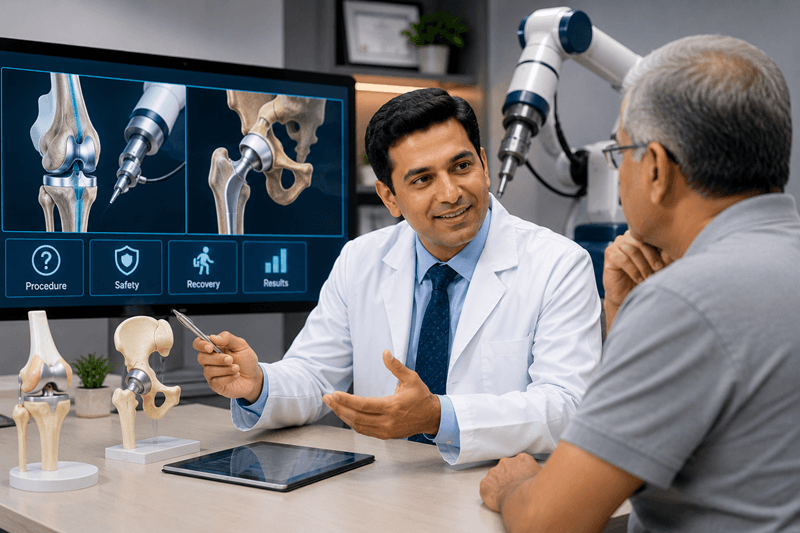
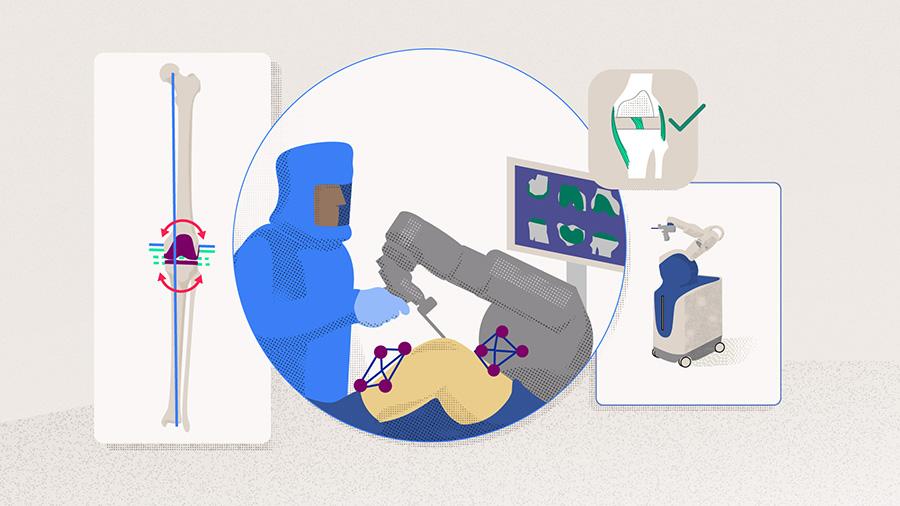
Before surgery, advanced imaging technology is used to create a detailed 3D model of the knee. This information helps the surgeon develop a personalized surgical plan.
During the procedure:
- The existing implant is carefully removed.
- Damaged bone and tissue are assessed.
- The robotic system assists in preparing the knee for new implants.
- Replacement components are positioned with high precision.
- Joint alignment and stability are verified before completion.
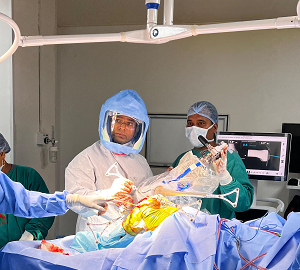
The surgeon remains fully in control throughout the procedure while benefiting from robotic guidance.
Recovery After Revision Knee Replacement
Recovery varies depending on the complexity of the revision surgery and the patient's overall health.
The rehabilitation process may include:
- Early mobilization after surgery
- Physical therapy and strengthening exercises
- Gradual improvement in walking and daily activities
- Restoration of knee function and mobility
- Ongoing follow-up evaluations
Following the recommended rehabilitation program is essential for achieving the best possible results.
Why Choose Robotic Technology for Revision Surgery?
Revision knee replacement procedures require a high degree of accuracy due to the challenges associated with previous implants and changes in anatomy. Robotic technology helps surgeons make precise adjustments, optimize implant placement, and improve joint balance.
This advanced approach supports better surgical planning and may contribute to improved long-term outcomes for patients undergoing revision surgery.
Who is a Good Candidate?
You may be a candidate for Robotic Revision Knee Replacement if you:
- Have a failed or worn-out knee implant
- Experience chronic pain after knee replacement
- Have knee instability or reduced function
- Suffer from implant loosening or mechanical failure
- Require replacement of a previous knee prosthesis
A comprehensive orthopedic assessment is necessary to determine the most appropriate treatment plan.
Conclusion
Robotic Revision Knee Replacement is an advanced solution for patients experiencing complications or failure of a previous knee replacement. By combining robotic precision with orthopedic expertise, this procedure helps improve implant positioning, knee function, and overall patient outcomes. For individuals seeking relief from persistent knee problems after a prior replacement, robotic-assisted revision surgery may offer a highly effective treatment option.


.png)
.jpg)