Recovery After Robotic Joint Replacement Surgery
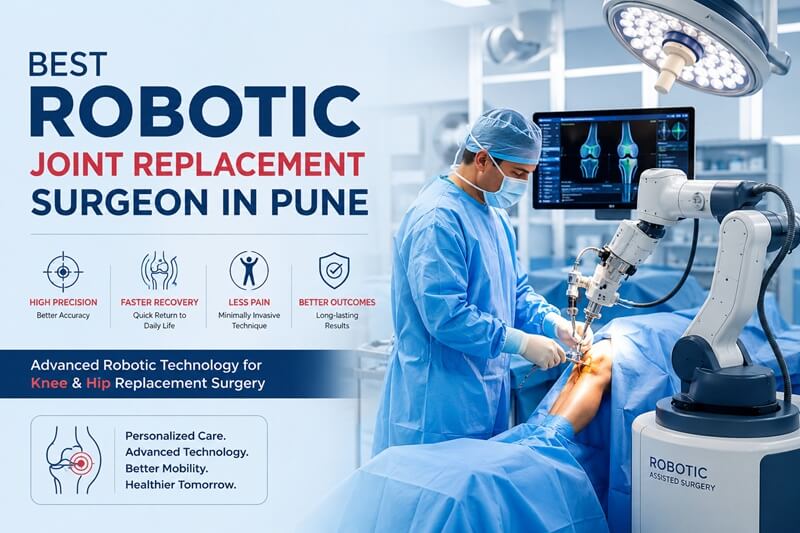
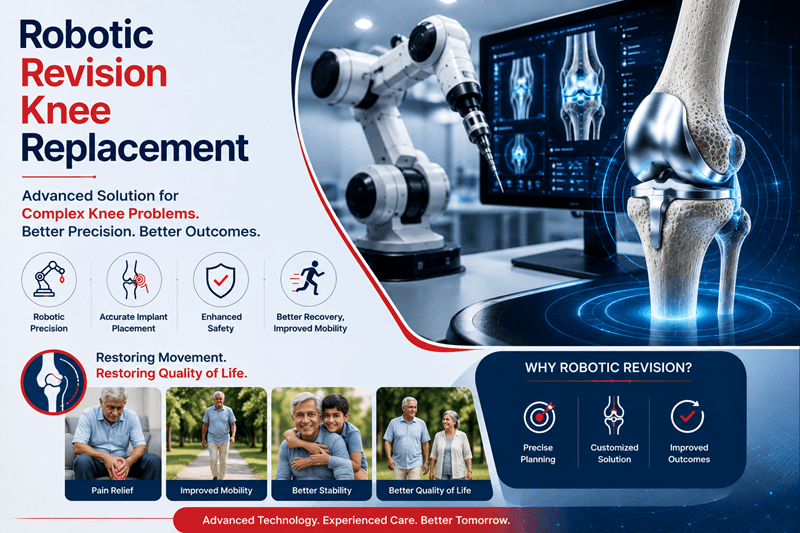
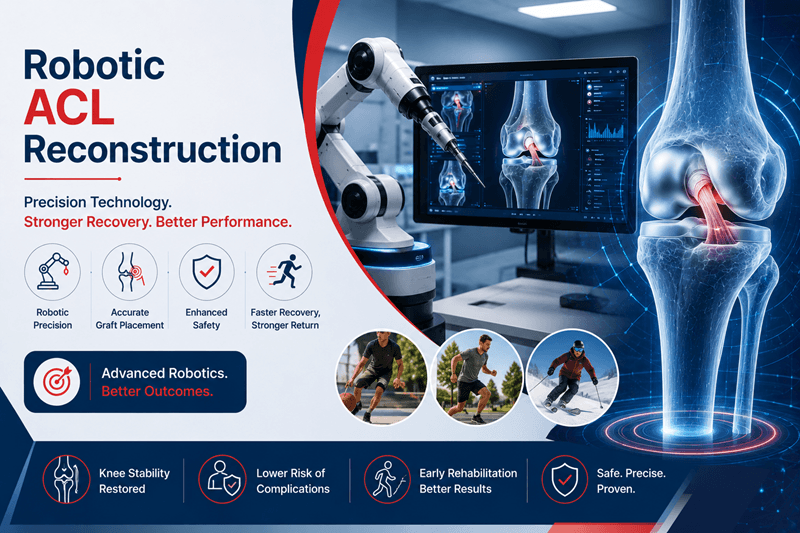
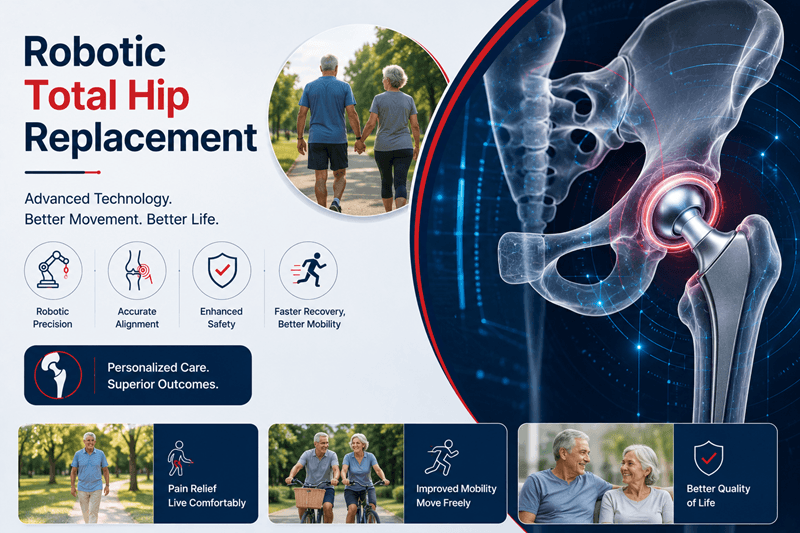
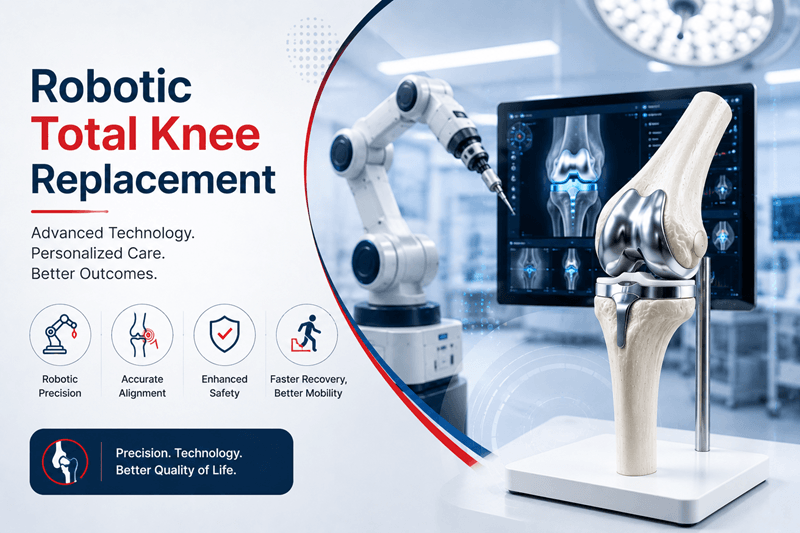
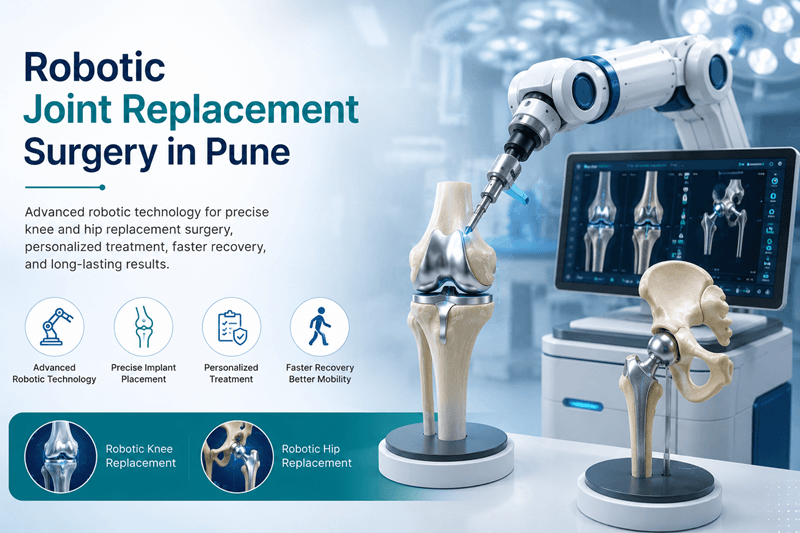
Recovery is one of the most important aspects of any joint replacement procedure. Patients considering robotic knee replacement or robotic hip replacement surgery often want to know how quickly they can return to their normal activities. Thanks to advances in robotic-assisted technology, recovery after robotic joint replacement surgery is often smoother, more predictable, and more comfortable compared to traditional techniques.
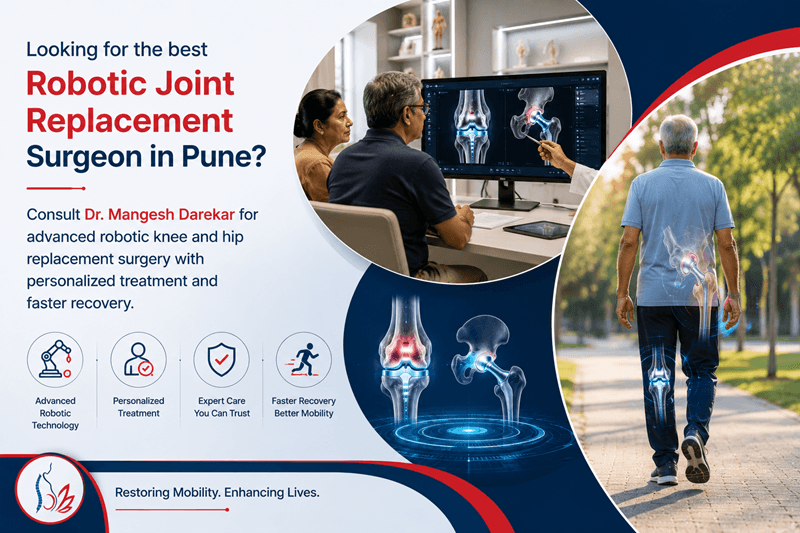
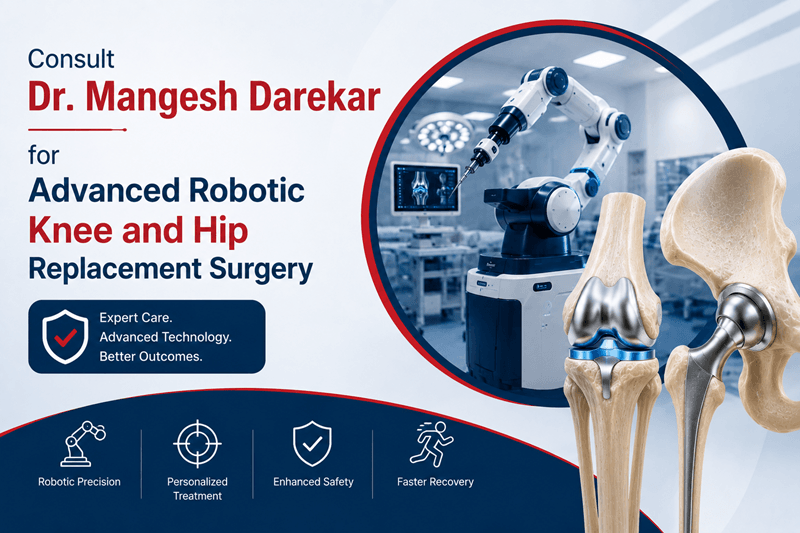
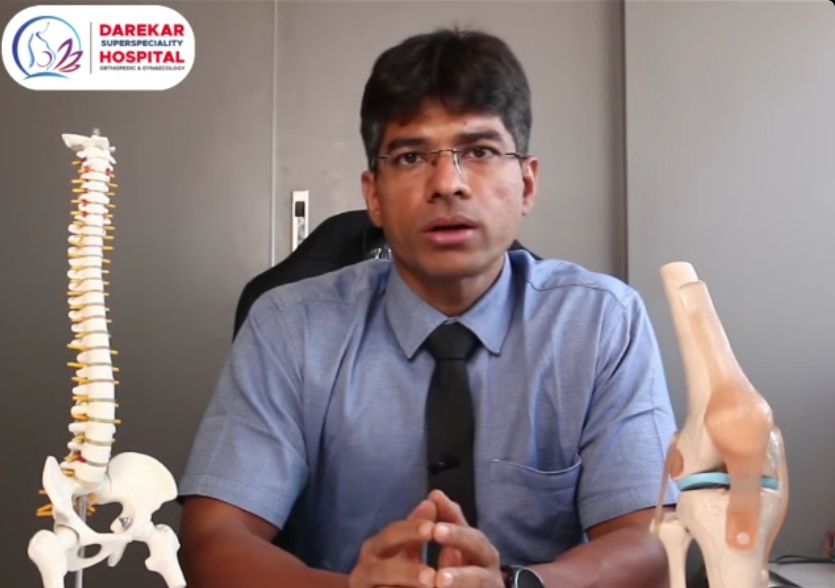
Dr. Mangesh Darekar focuses on personalized treatment and rehabilitation plans that help patients achieve the best possible recovery outcomes while restoring mobility and improving quality of life.
How Robotic Technology Supports Recovery
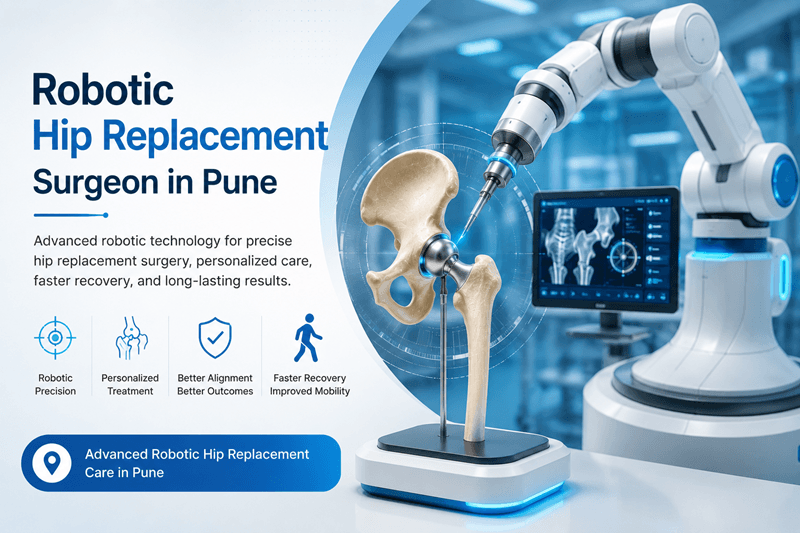
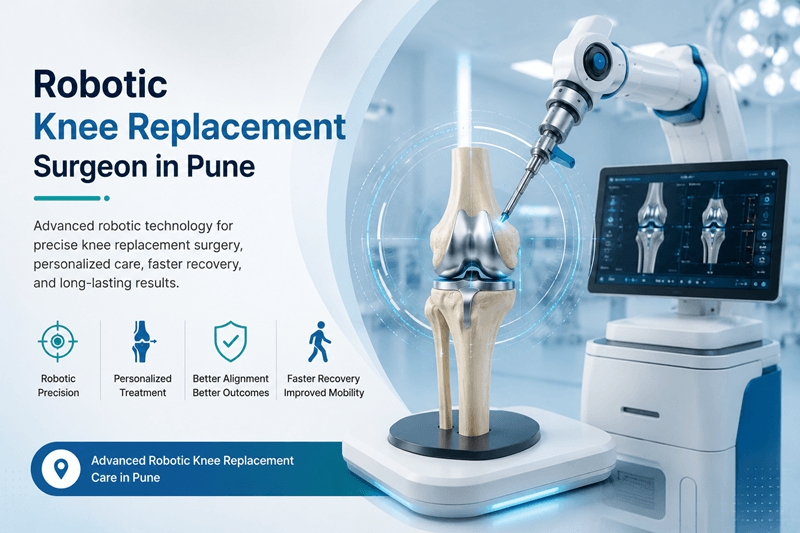
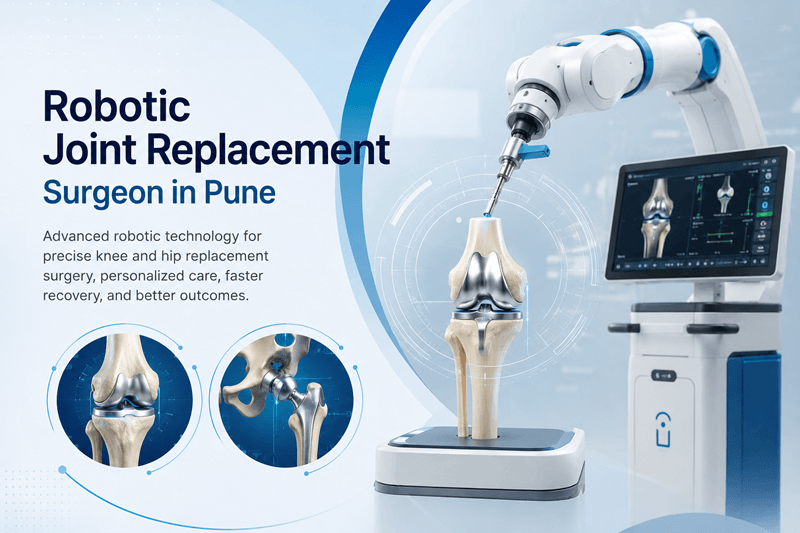
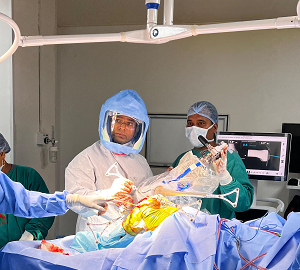
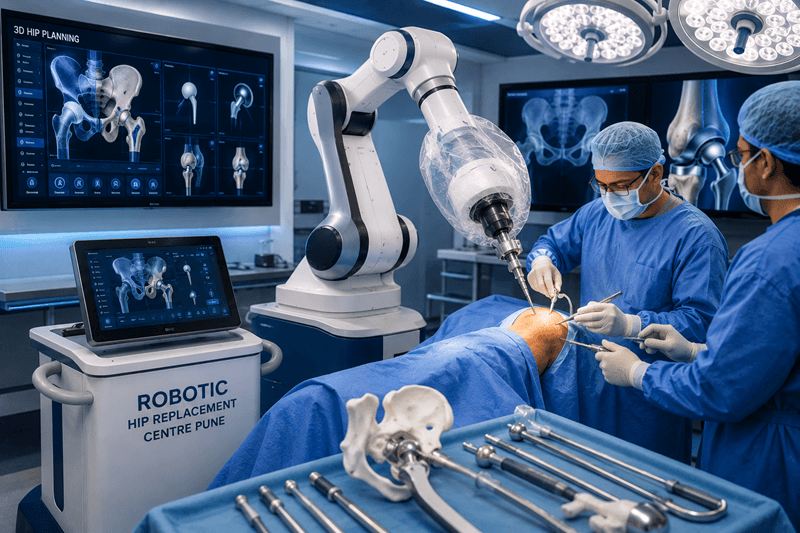
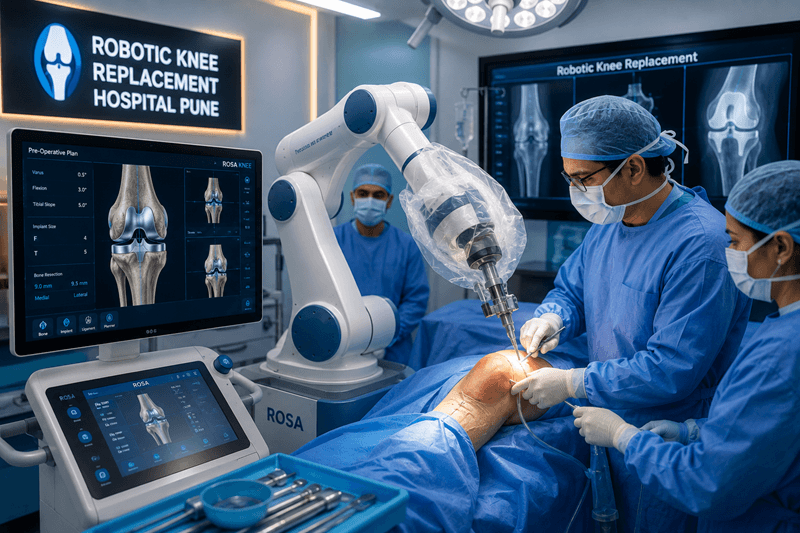
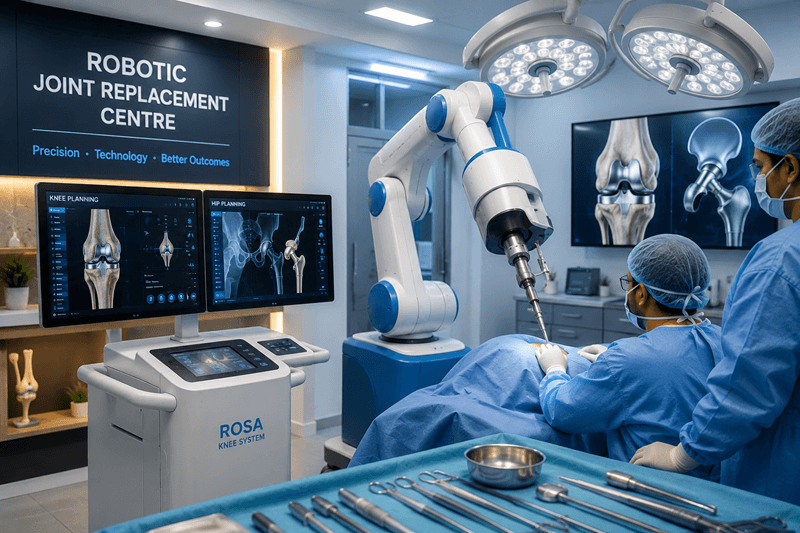
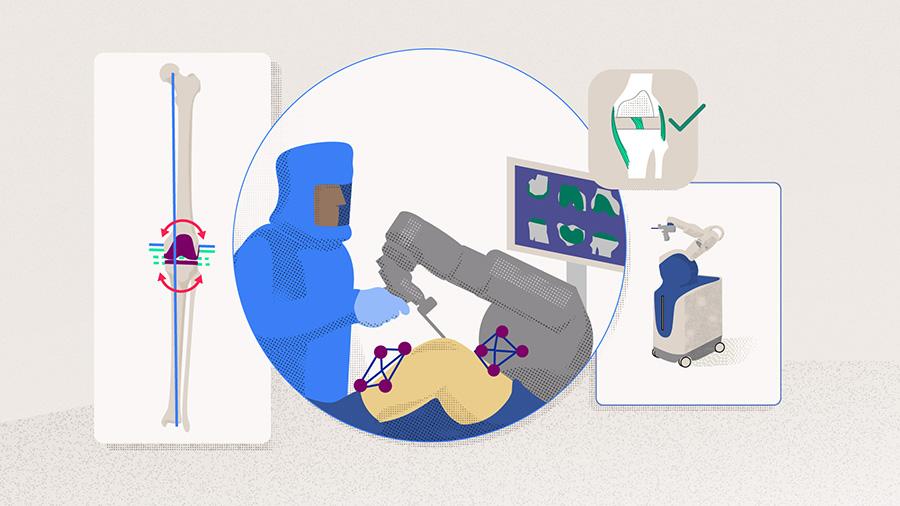
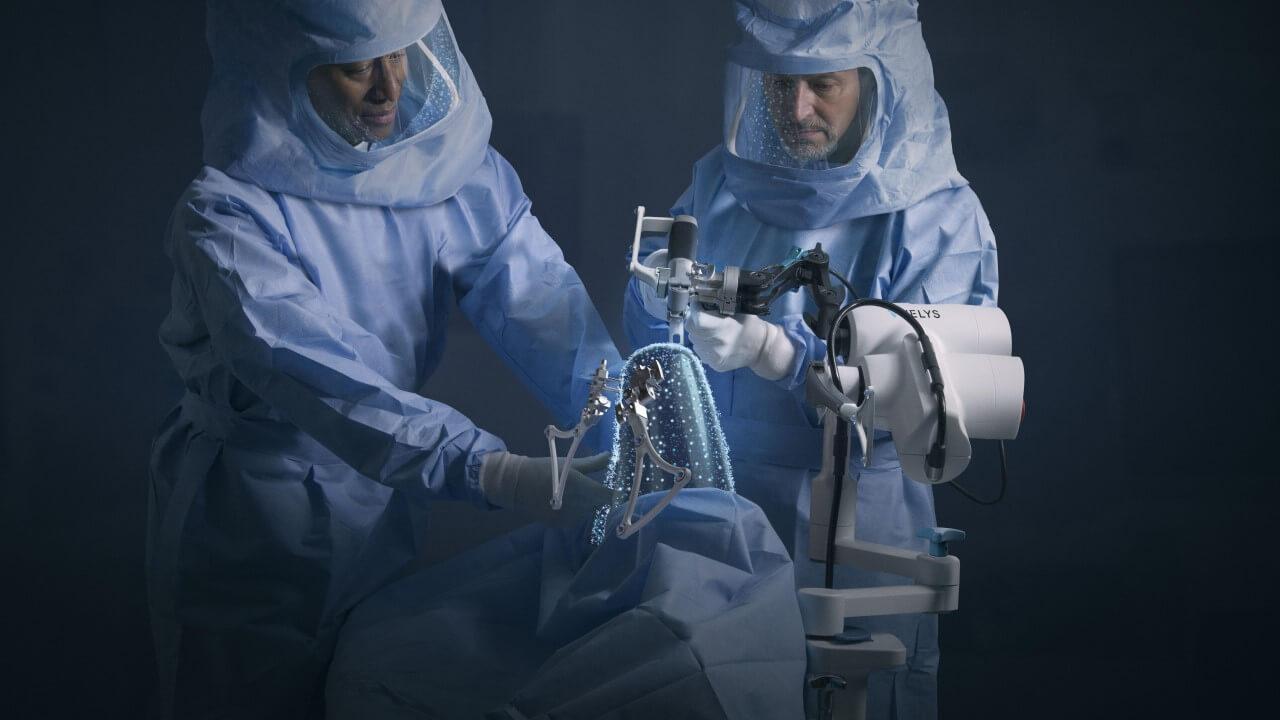
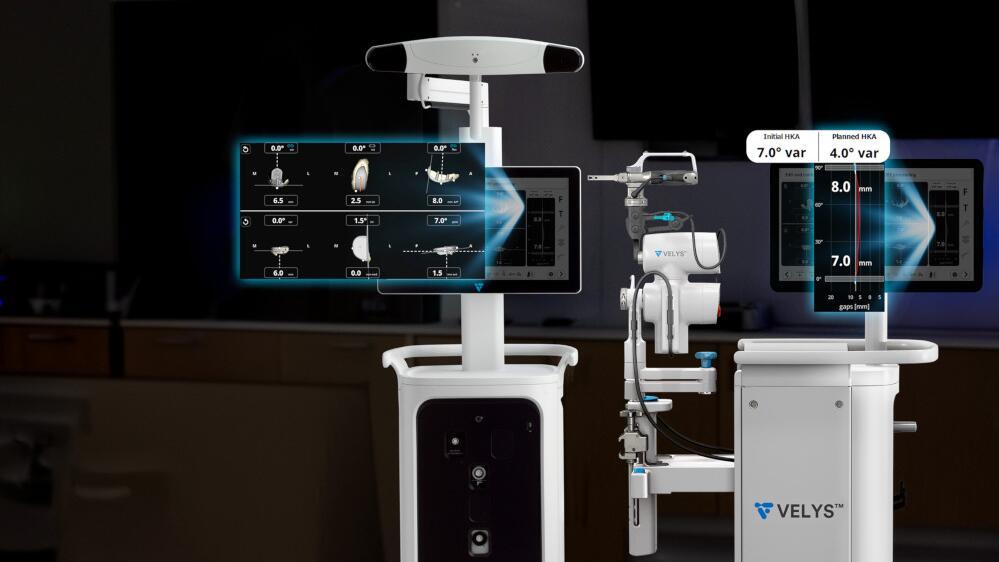
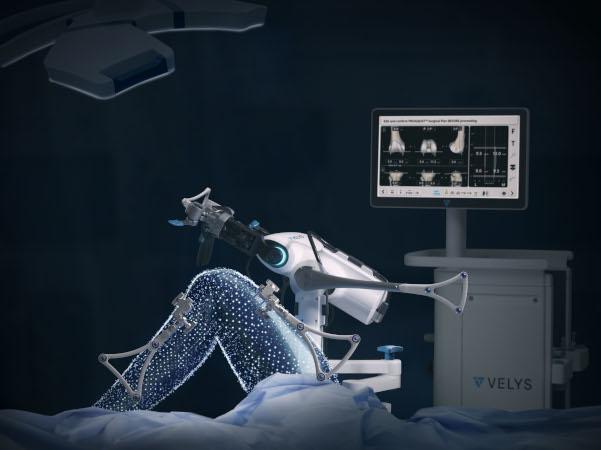
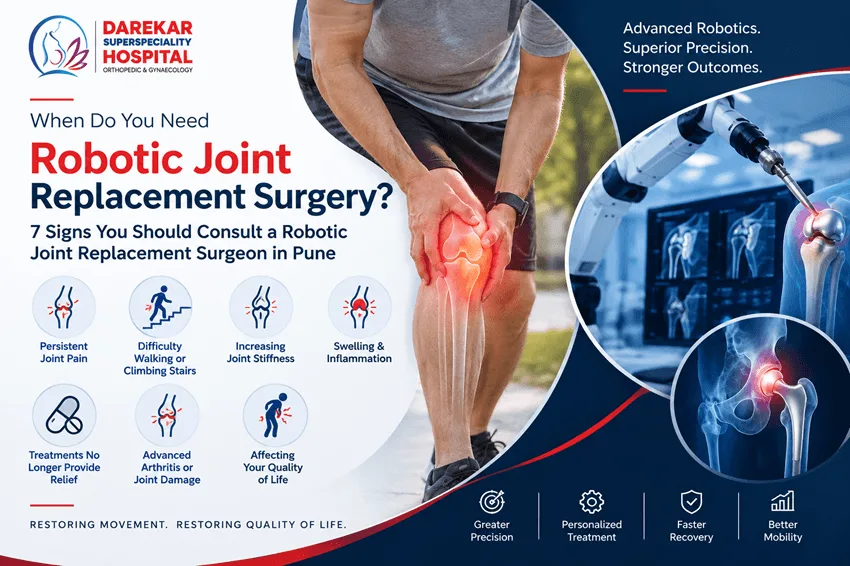
Robotic-assisted joint replacement surgery uses advanced technology to help surgeons perform procedures with exceptional precision. Accurate implant positioning and better alignment can reduce unnecessary trauma to surrounding tissues, which may contribute to a more comfortable recovery experience.
Benefits that may support recovery include:
- Greater surgical precision
- Better implant alignment
- Reduced tissue damage
- Improved joint stability
- Less postoperative discomfort
- Enhanced mobility after surgery
These advantages help create a strong foundation for successful rehabilitation.
What to Expect Immediately After Surgery
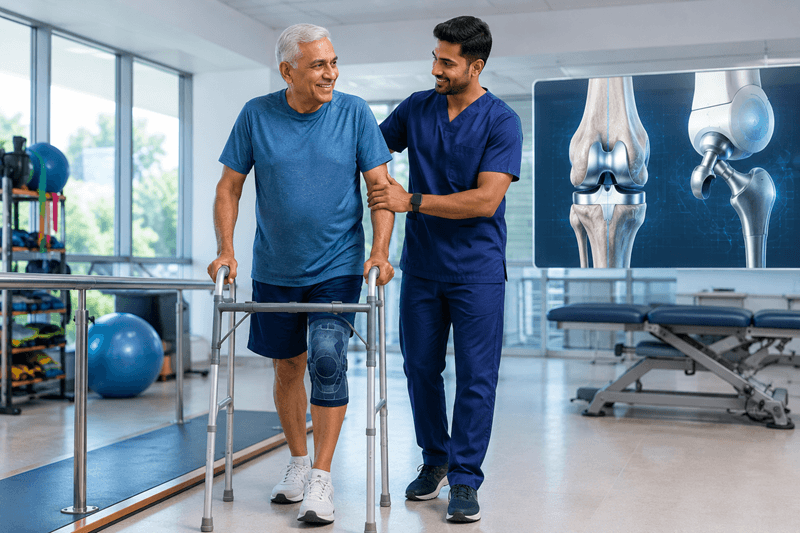
Most patients are encouraged to begin moving shortly after surgery under the guidance of healthcare professionals. Early movement plays an important role in reducing stiffness, improving circulation, and supporting recovery.
During the initial recovery period, patients may receive:
- Pain management support
- Walking assistance
- Physiotherapy guidance
- Mobility exercises
- Monitoring by the medical team
The exact recovery timeline varies depending on the patient's overall health and the type of joint replacement performed.
Recovery During the First Few Weeks
The first few weeks following robotic joint replacement surgery focus on improving mobility and rebuilding strength.
Patients are typically encouraged to:
- Follow prescribed physiotherapy programs
- Perform recommended exercises regularly
- Use walking aids if necessary
- Maintain follow-up appointments
- Follow postoperative care instructions carefully
Many patients notice gradual improvements in comfort and movement during this stage of recovery.
Physiotherapy and Rehabilitation
Physiotherapy is a critical component of successful recovery. A structured rehabilitation program helps improve flexibility, strength, balance, and joint function.
Rehabilitation goals may include:
- Restoring range of motion
- Improving muscle strength
- Enhancing walking ability
- Increasing joint stability
- Returning to daily activities safely
Consistent participation in physiotherapy often contributes to better long-term outcomes.
Returning to Daily Activities
Recovery timelines differ from patient to patient, but many individuals are able to resume routine daily activities gradually under medical supervision.
Patients often look forward to returning to:
- Walking comfortably
- Climbing stairs
- Driving
- Household activities
- Social engagements
- Recreational activities
The timing of these activities depends on individual progress and the surgeon's recommendations.
Factors That Influence Recovery
Several factors can affect the speed and success of recovery after robotic joint replacement surgery, including:
- Patient age and overall health
- Severity of joint damage before surgery
- Commitment to physiotherapy
- Muscle strength and fitness levels
- Following postoperative instructions
- Maintaining a healthy lifestyle
A personalized recovery plan helps address each patient's specific needs and goals.
Tips for a Successful Recovery
Patients can support their recovery by:
- Following medical advice carefully
- Attending all follow-up appointments
- Completing prescribed physiotherapy exercises
- Staying physically active as recommended
- Maintaining a nutritious diet
- Avoiding activities that may strain the new joint
A positive and consistent approach to rehabilitation can significantly improve recovery outcomes.
Long-Term Benefits of Robotic Joint Replacement
As recovery progresses, many patients experience substantial improvements in mobility, comfort, and overall quality of life. Robotic-assisted surgery is designed to provide accurate implant positioning and long-term joint function, helping patients enjoy a more active lifestyle.
Many individuals report reduced pain, increased confidence in movement, and greater independence after successful recovery.
Why Choose Dr. Mangesh Darekar?
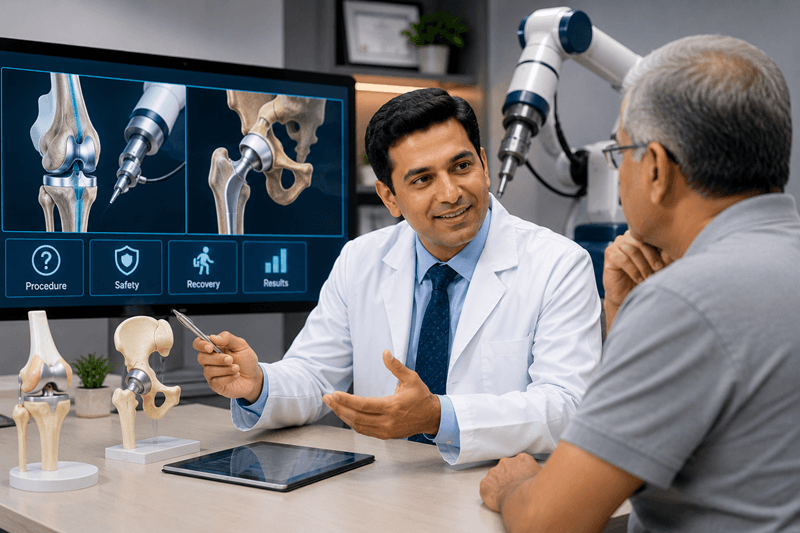
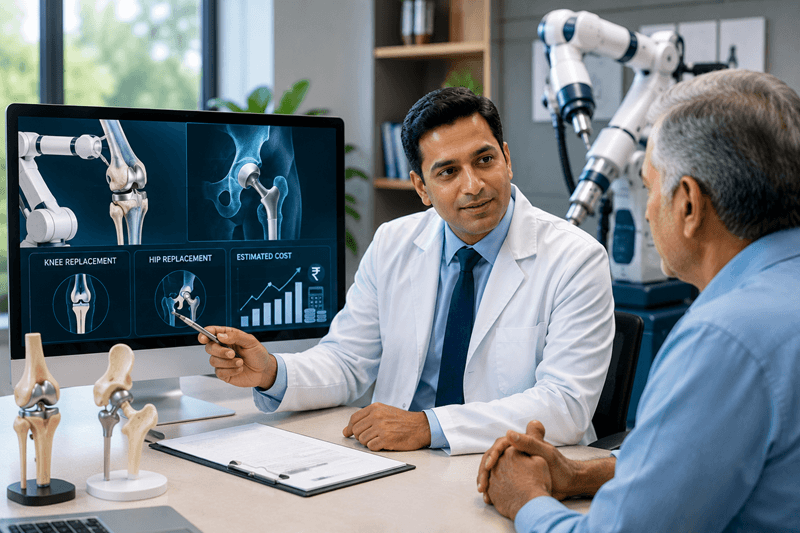
Dr. Mangesh Darekar combines advanced robotic technology with comprehensive postoperative care to support successful patient recovery. His patient-focused approach emphasizes personalized rehabilitation plans, regular follow-up care, and long-term joint health.
Patients trust Dr. Darekar for:
- Expertise in robotic joint replacement surgery
- Advanced treatment techniques
- Personalized recovery programs
- Comprehensive patient support
- Focus on long-term outcomes
Conclusion
Recovery after robotic joint replacement surgery is an important journey toward improved mobility and a better quality of life. With advanced robotic technology, personalized rehabilitation, and expert care from Dr. Mangesh Darekar, patients can work toward a smoother recovery and long-lasting joint function.
.png)
.jpg)