Advanced AI Robotic Joint Replacement in Pune
Joint pain, stiffness, and difficulty walking can significantly affect everyday life. Conditions such as osteoarthritis, rheumatoid arthritis, previous joint injuries, and age-related joint damage may gradually make activities like climbing stairs, standing for long periods, or getting up from a chair increasingly difficult. When non-surgical treatments no longer provide sufficient relief, joint replacement surgery may be considered.
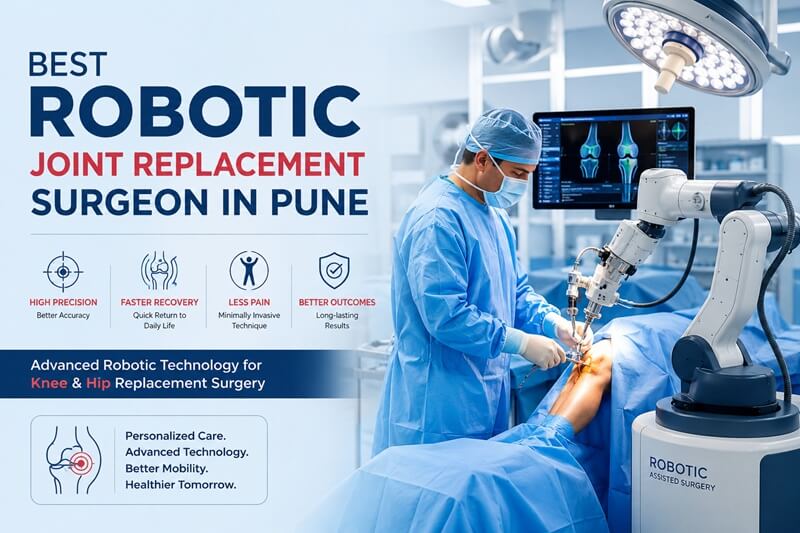
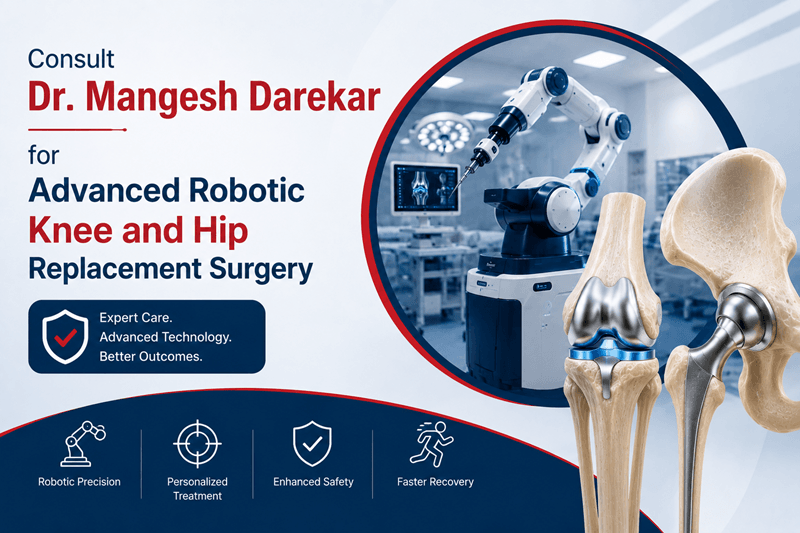
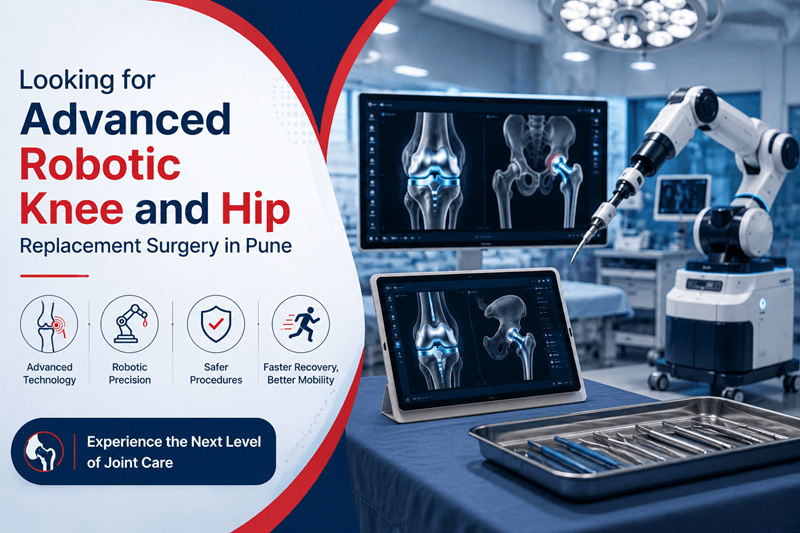
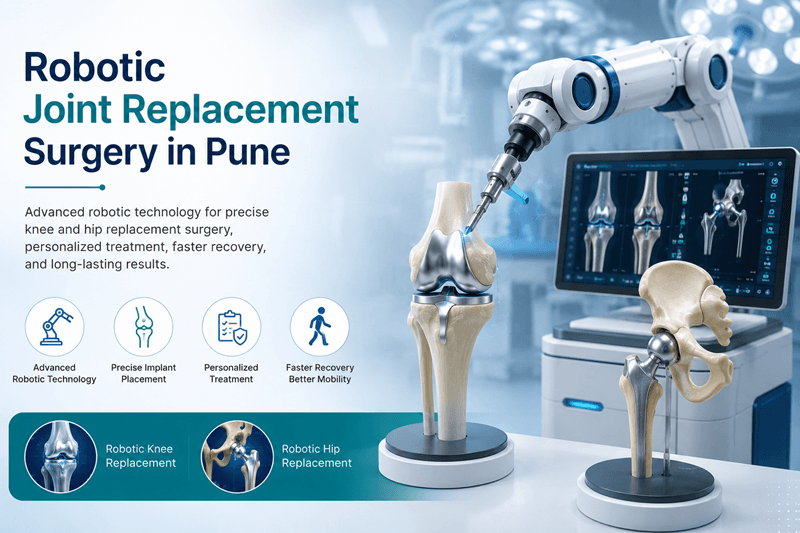
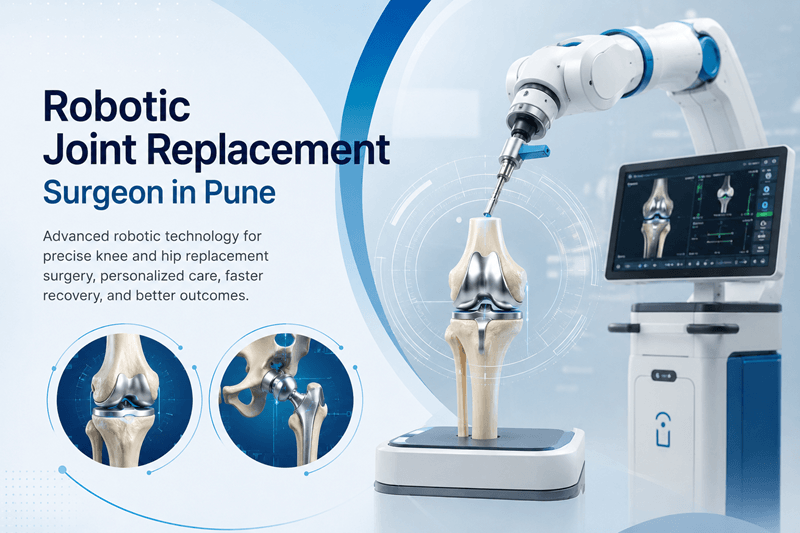
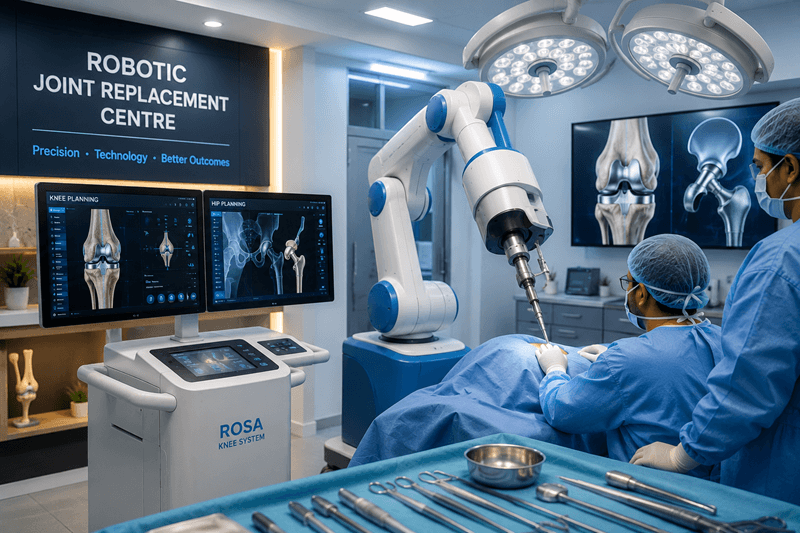
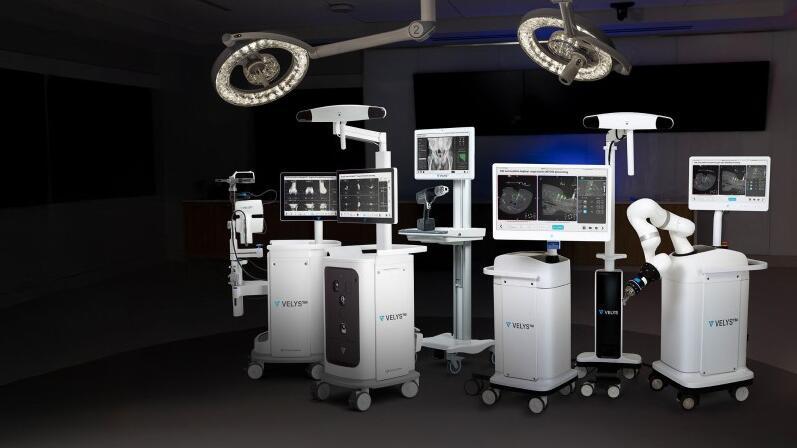
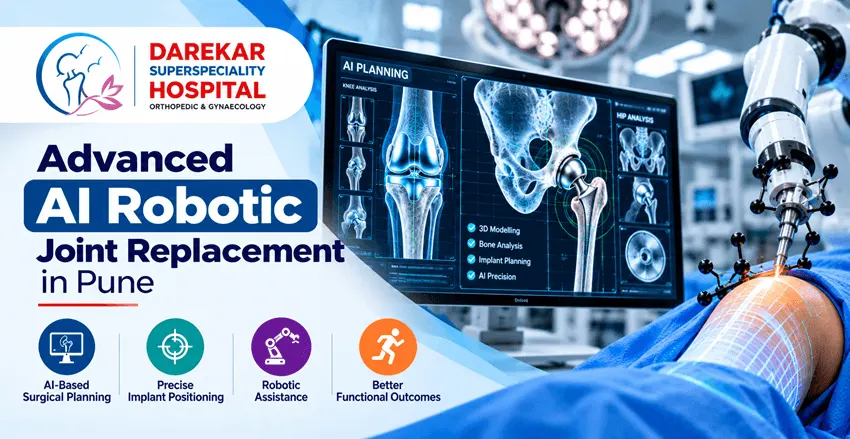
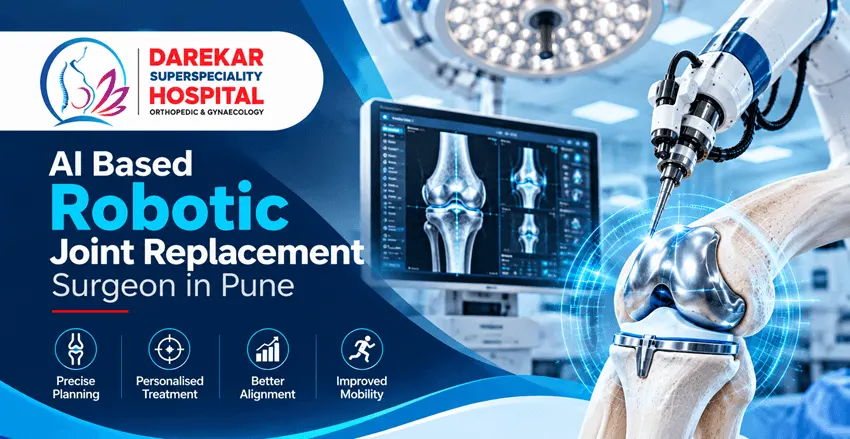
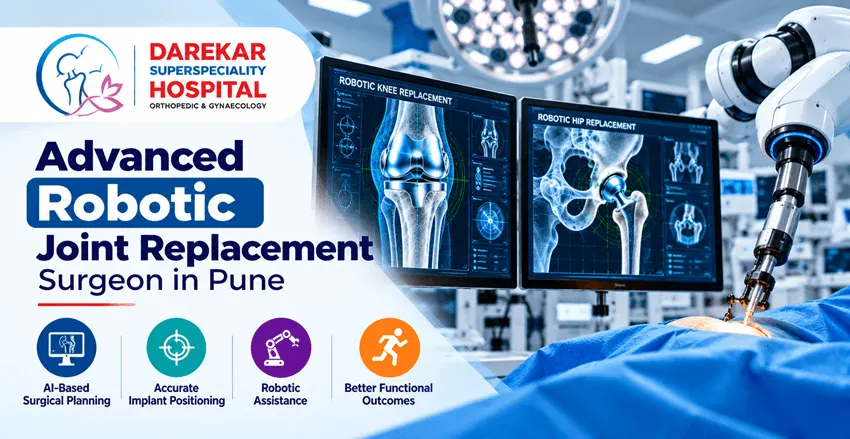
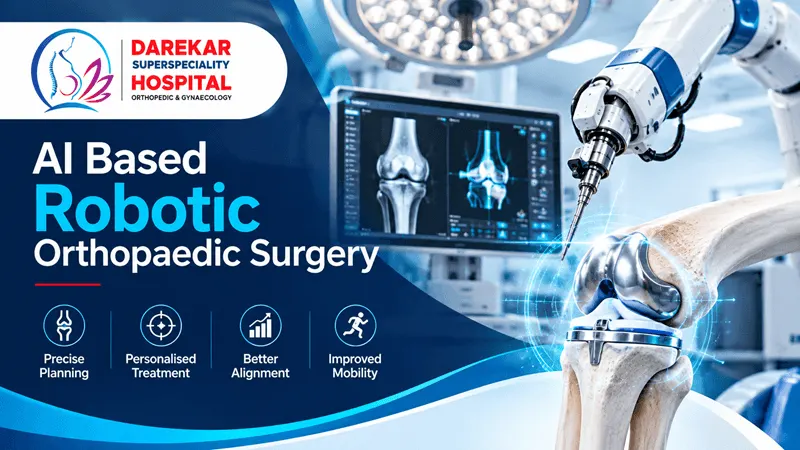
Advances in orthopaedic technology have introduced computer-assisted planning and robotic-assisted techniques for selected knee and hip replacement procedures. Advanced AI robotic joint replacement in Pune is a topic of interest for patients looking for technology-supported surgical planning and personalised orthopaedic care.
At Darekar Superspeciality Hospital and Robotic Joint Replacement Centre, patients can enquire about orthopaedic assessment and joint replacement options. The appropriate procedure and technology depend on the patient's condition, medical history, anatomy, and the surgeon's clinical assessment.
What Is Advanced AI Robotic Joint Replacement?
Joint replacement surgery involves replacing damaged joint surfaces with artificial components, also called implants. Knee and hip replacement are commonly considered when joint damage causes persistent pain, stiffness, and reduced mobility despite appropriate non-surgical treatment.
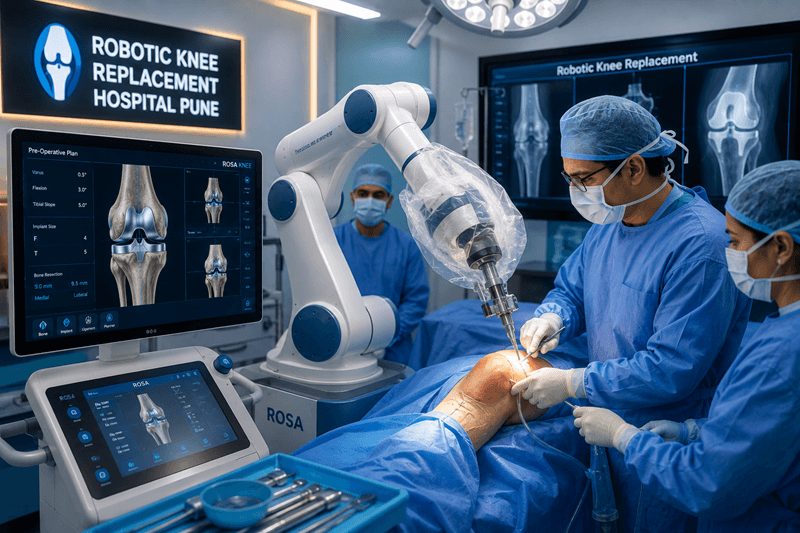
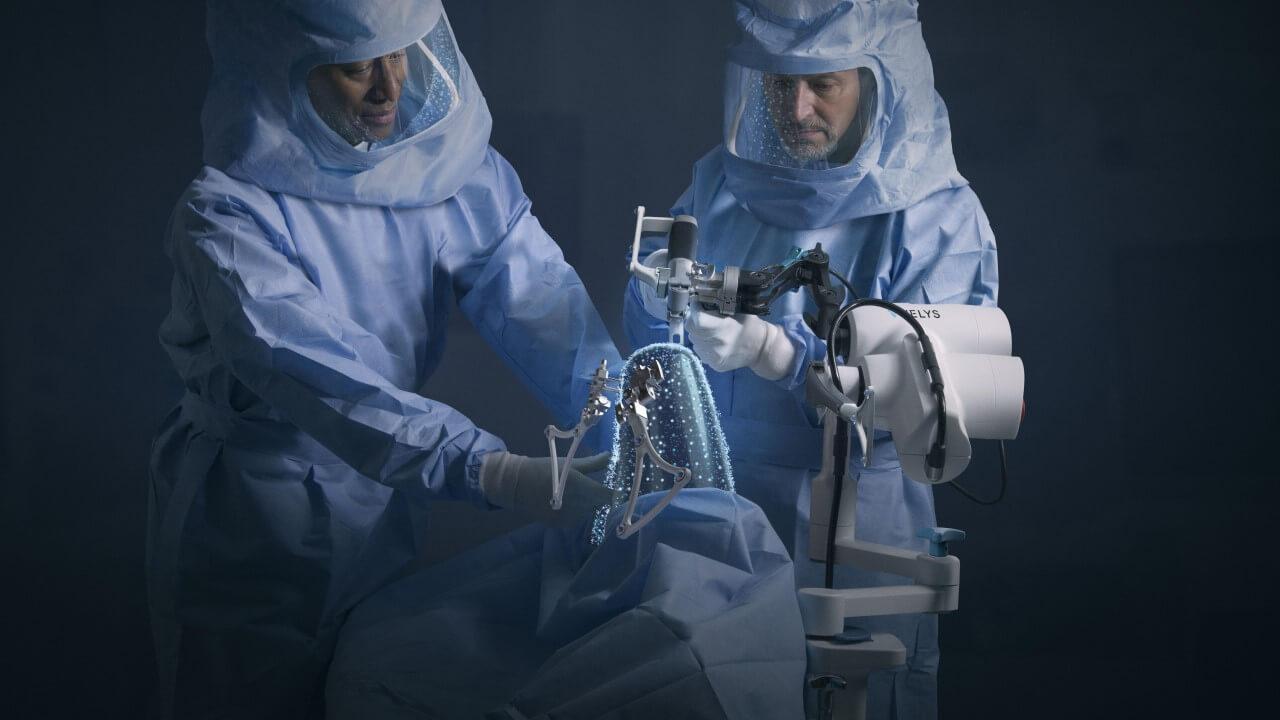
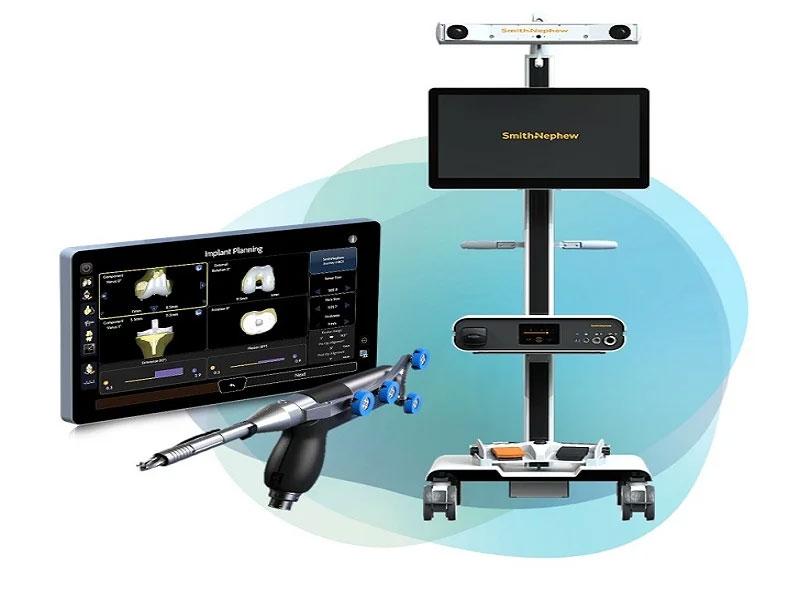
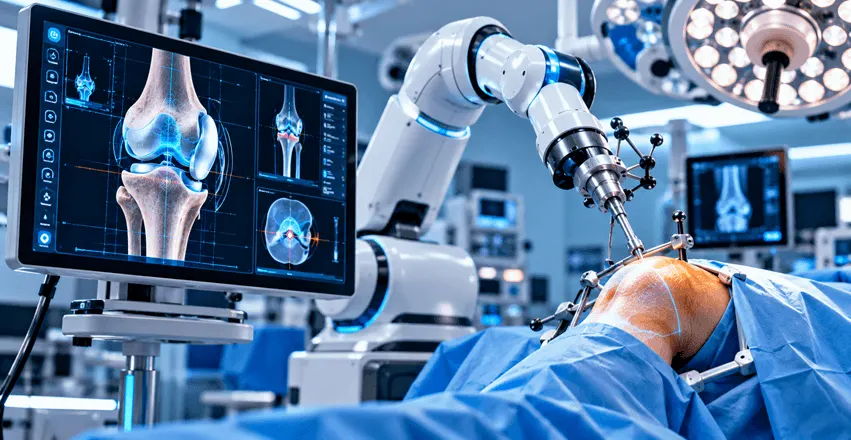
Robotic-assisted joint replacement uses specialised technology to support the surgeon during selected stages of planning and surgery. Depending on the system, the technology may use medical imaging, three-dimensional models, navigation, measurements, or real-time feedback to help the surgeon plan and carry out the procedure.
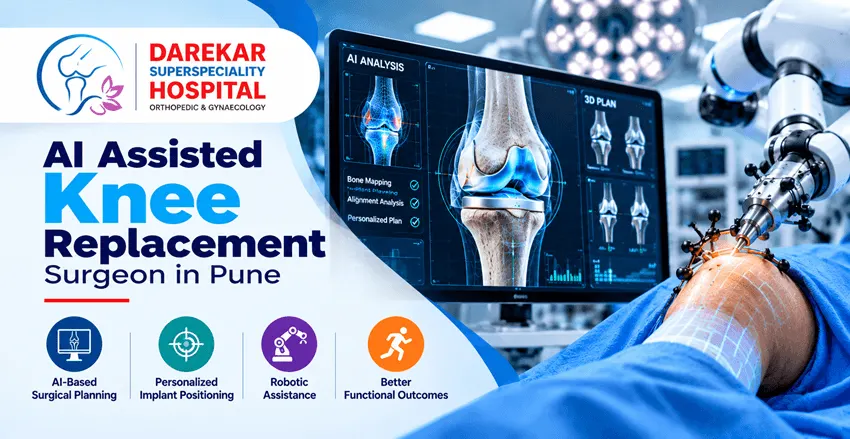
The term “AI-assisted” can refer to software that analyses information or supports planning and decision-making. However, not every robotic surgical system uses artificial intelligence in the same way. The specific features available depend on the technology being used.
The surgeon remains responsible for clinical decisions, surgical technique, implant selection, and patient care. Robotic equipment does not independently perform the entire operation.
How AI and Robotic Technology Can Support Joint Replacement
1. Digital Assessment and Surgical Planning
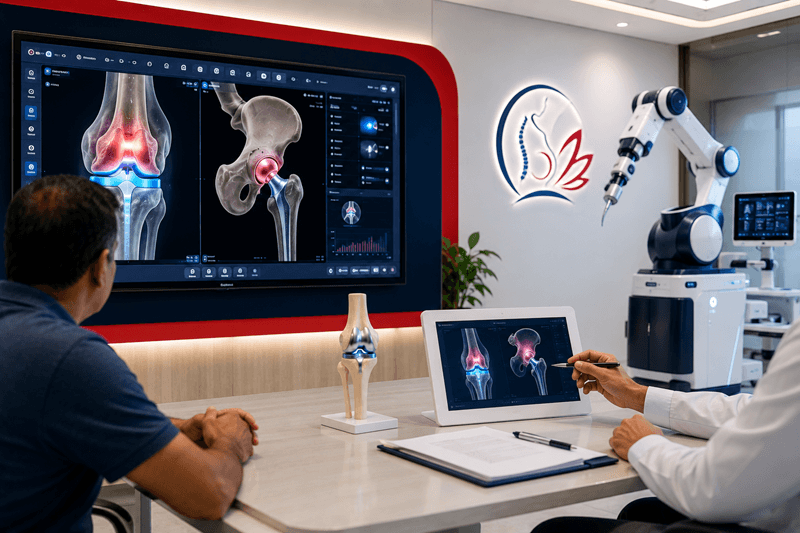
Before surgery, the orthopaedic team evaluates symptoms, physical examination findings, medical history, and relevant imaging. Depending on the procedure and robotic platform, X-rays or a CT scan may be used to understand the joint's anatomy.
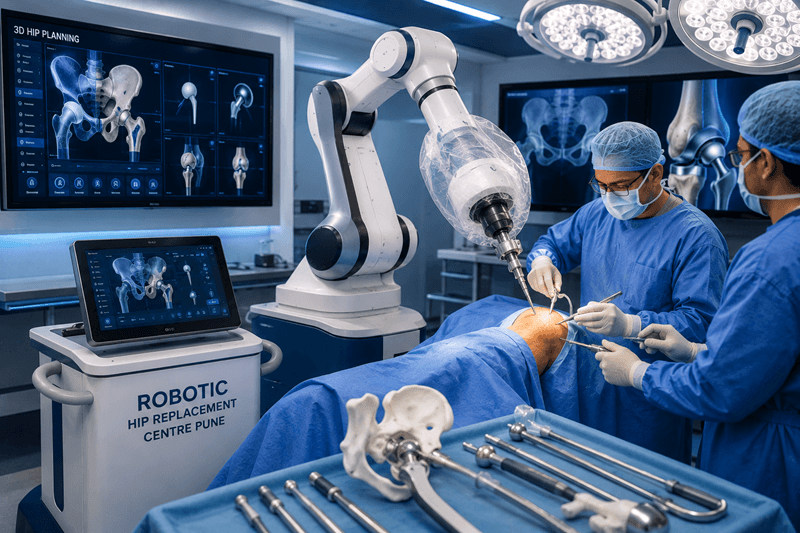
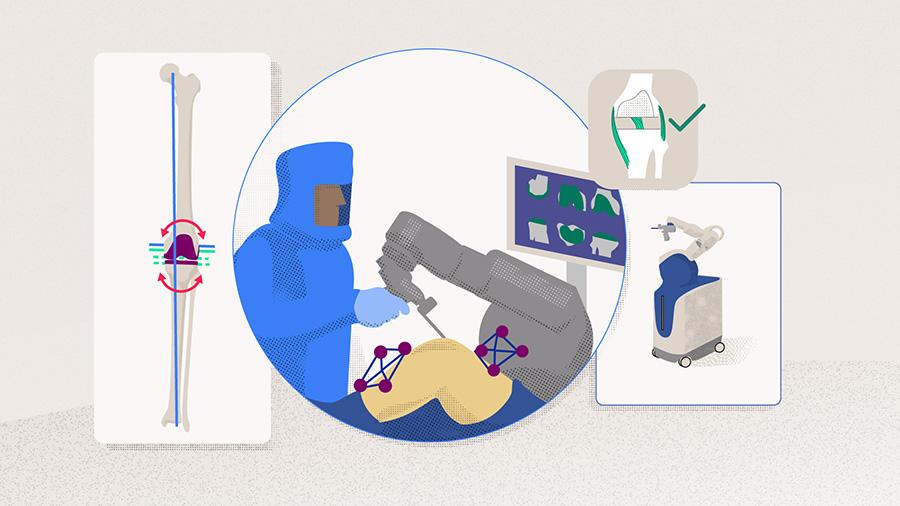
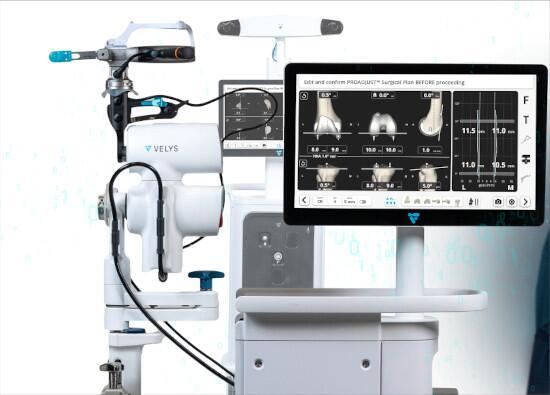
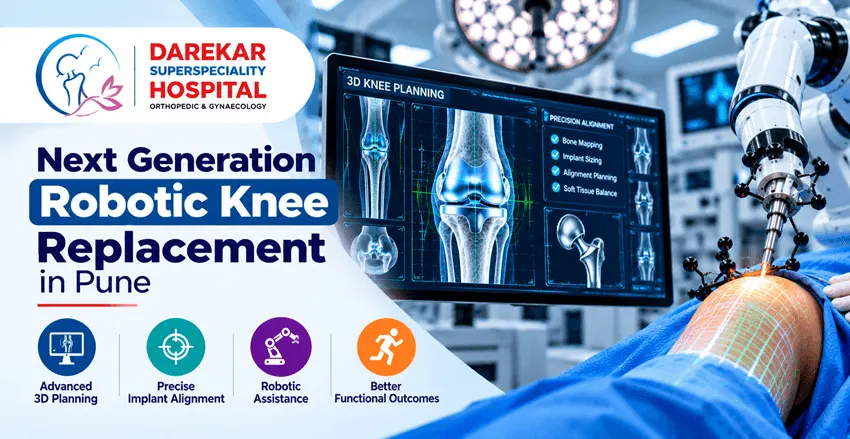
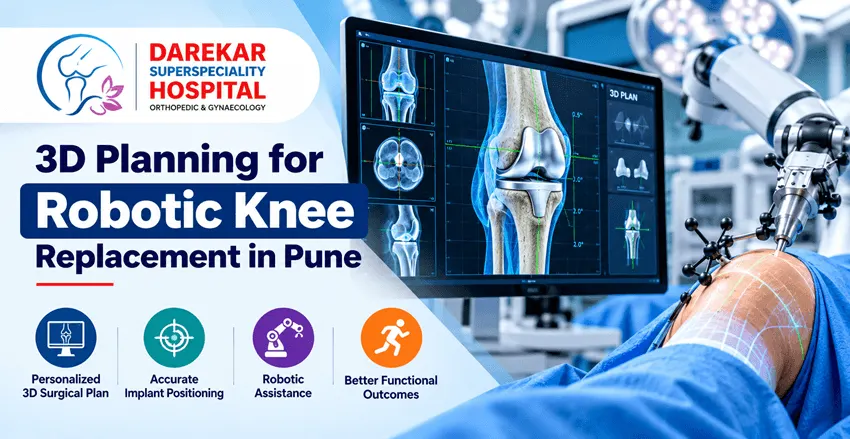
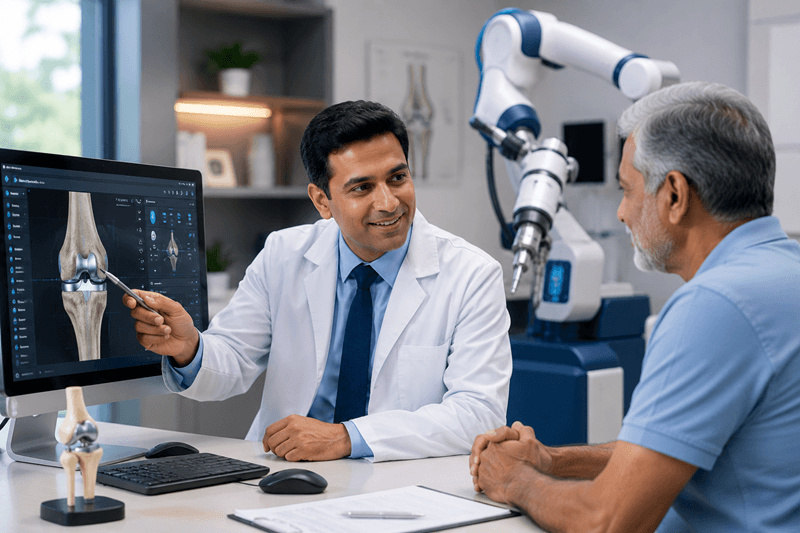
Some systems create a three-dimensional model that helps the surgeon assess bone shape, alignment, and possible implant sizes. This information can support a patient-specific surgical plan.
2. Planning Implant Position and Alignment
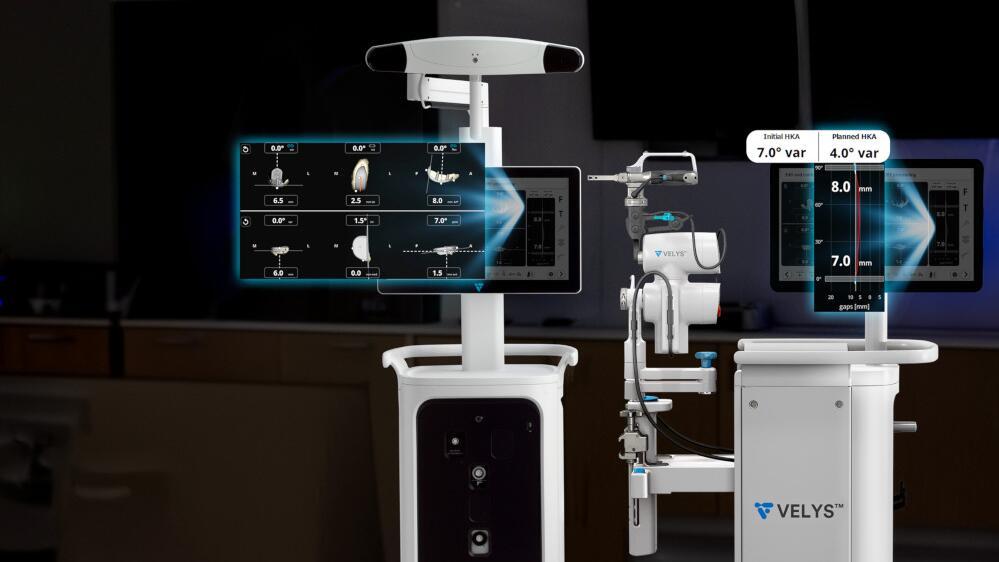
Correct implant positioning and joint alignment are important considerations during joint replacement. Robotic-assisted systems may provide measurements, navigation, or instrument guidance to help the surgeon follow the planned approach.
The exact capabilities vary between systems. More precise measurements do not automatically guarantee less pain, fewer complications, or better long-term outcomes for every patient.
3. Intraoperative Guidance
During surgery, certain robotic platforms provide feedback or guide the surgeon's instruments within planned boundaries. This may help the surgeon assess bone preparation and implant positioning.
The surgeon controls the procedure and makes decisions according to the patient's anatomy and the clinical situation encountered during the operation.
4. Individualised Surgical Decisions
Every patient has a different combination of joint damage, bone anatomy, mobility, activity requirements, and medical conditions. Digital planning can help the surgical team review these factors before surgery.
The final plan must still be based on clinical judgement. Conventional joint replacement may be the more appropriate option for some patients.
Types of Joint Replacement That May Use Robotic Assistance
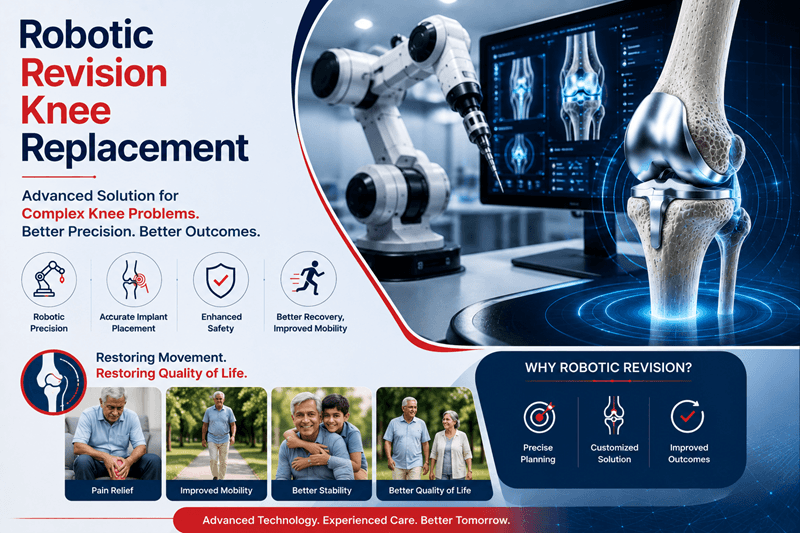
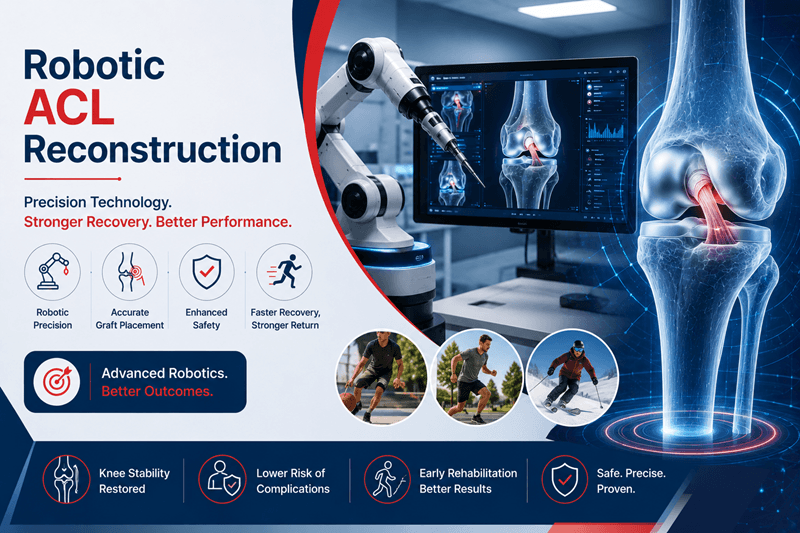
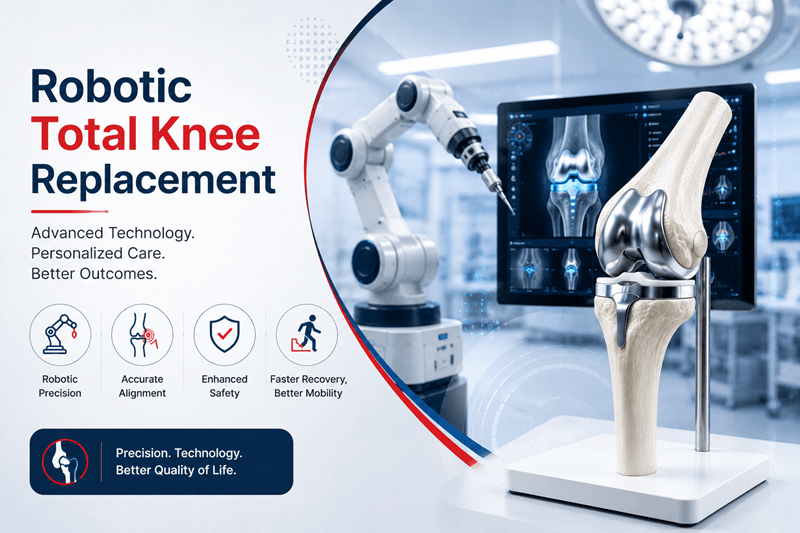
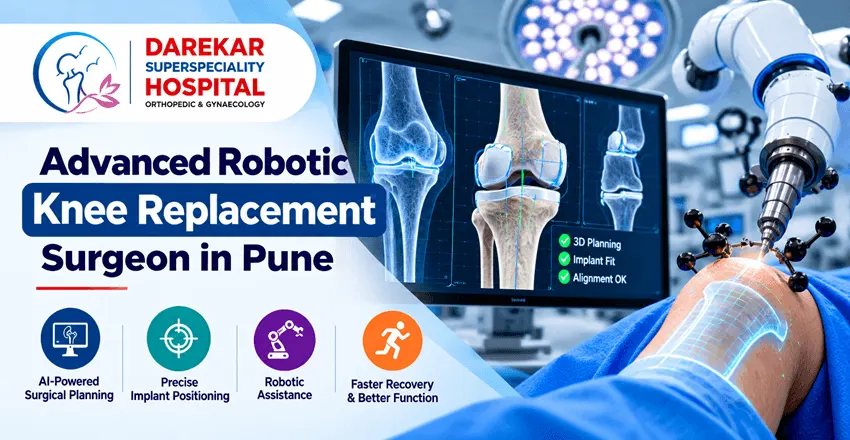
Robotic-Assisted Knee Replacement
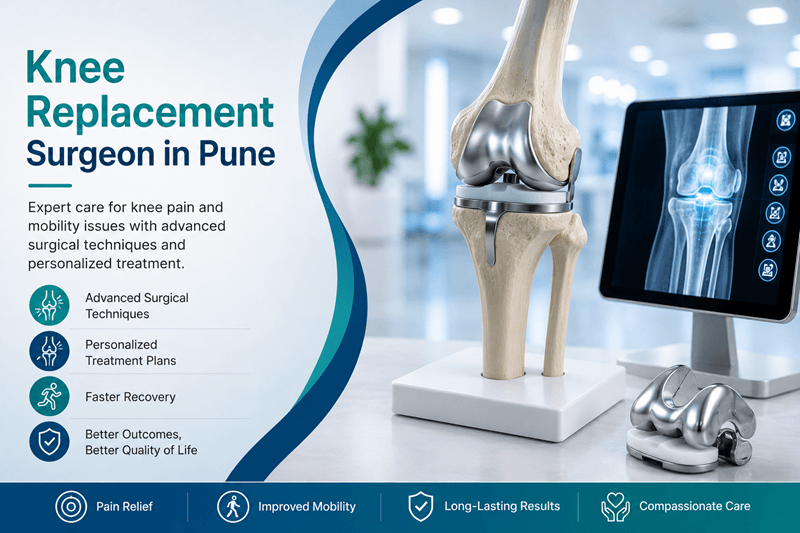
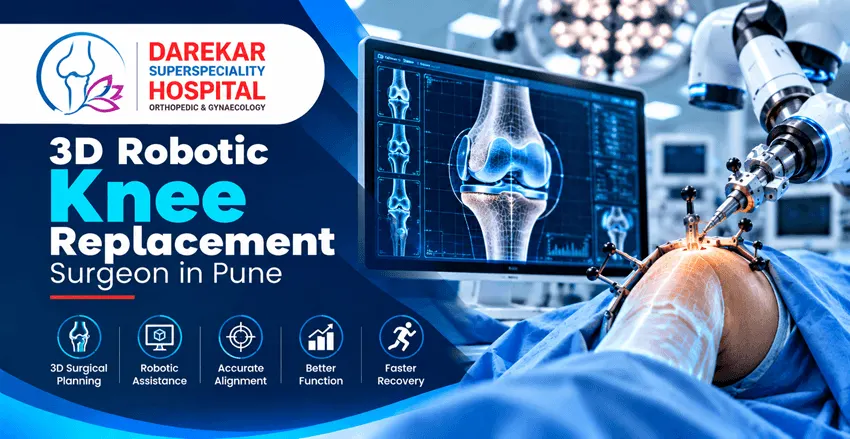
Knee replacement may be recommended for people with advanced knee arthritis or other conditions that cause substantial joint damage. Common symptoms include persistent knee pain, stiffness, swelling, reduced walking tolerance, and difficulty using stairs.
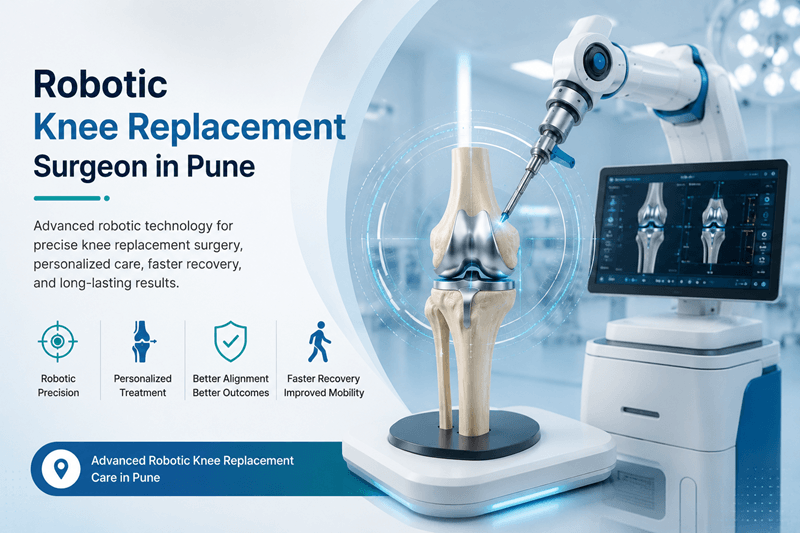
Depending on the extent of damage, a surgeon may discuss total knee replacement or partial knee replacement. Robotic-assisted technology may support planning and alignment during eligible procedures.
The decision to use robotic assistance depends on the patient's anatomy, the type of knee replacement required, the available technology, and the surgeon's assessment.
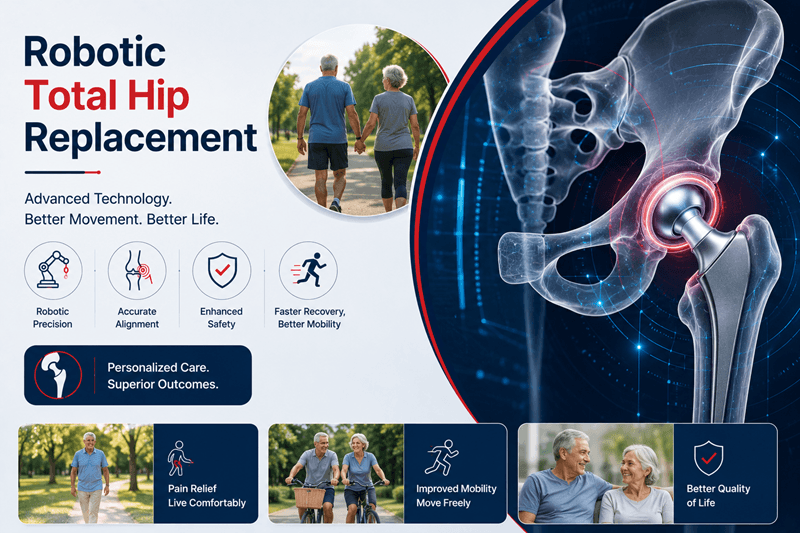
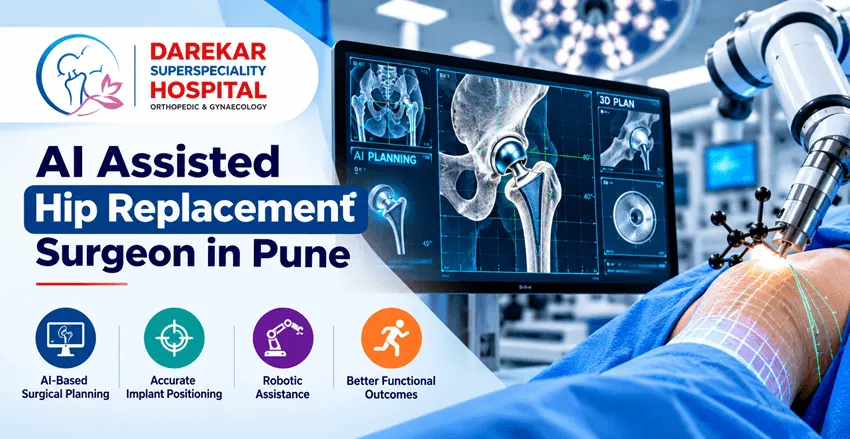
Robotic-Assisted Hip Replacement
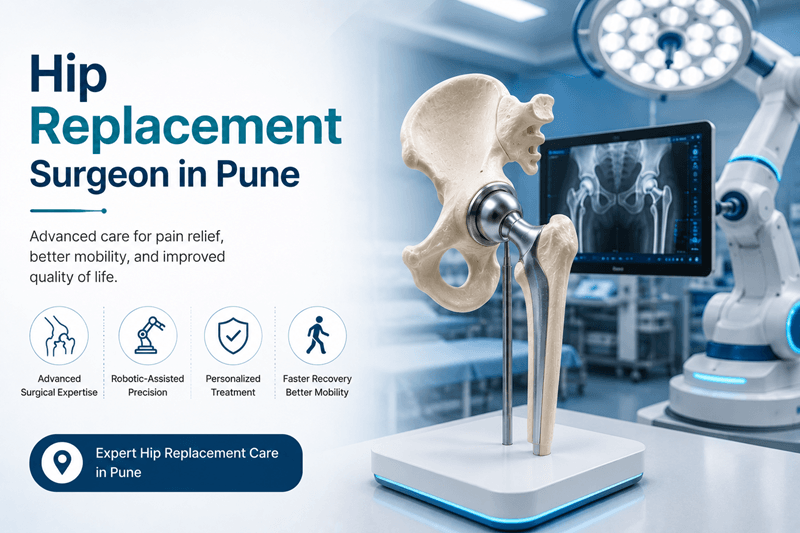
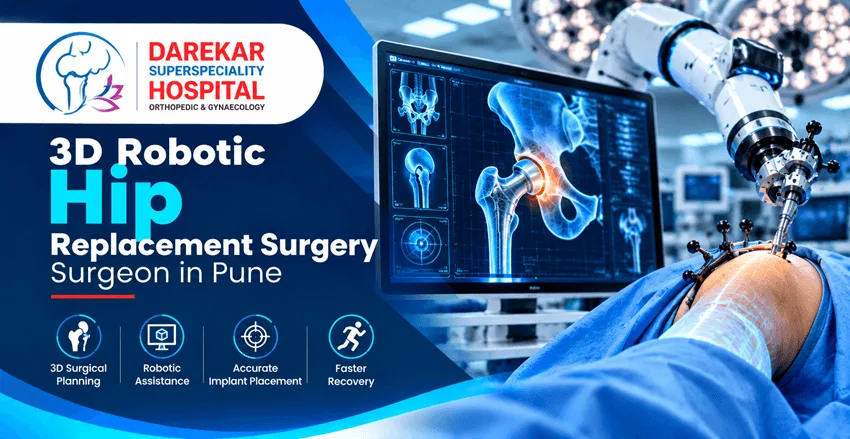
Hip replacement may be considered when severe hip joint damage causes ongoing pain and restricts daily activities. Osteoarthritis, certain inflammatory conditions, avascular necrosis, and some injuries can lead to hip joint deterioration.
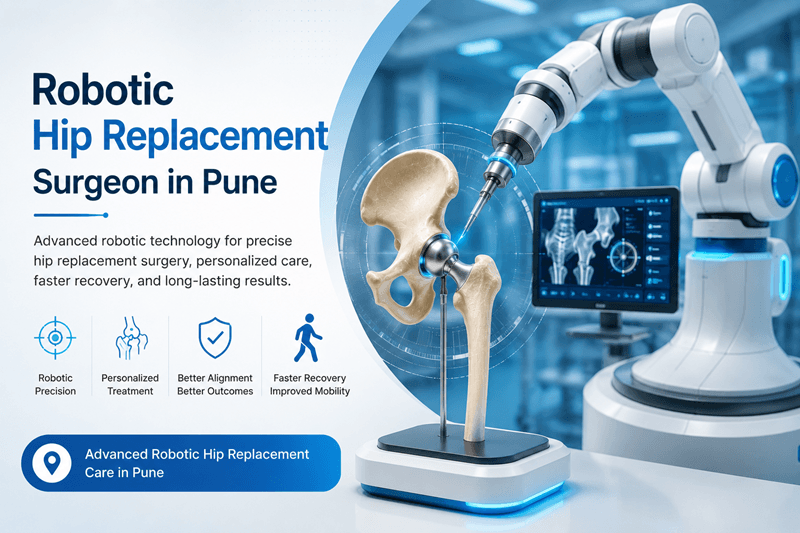
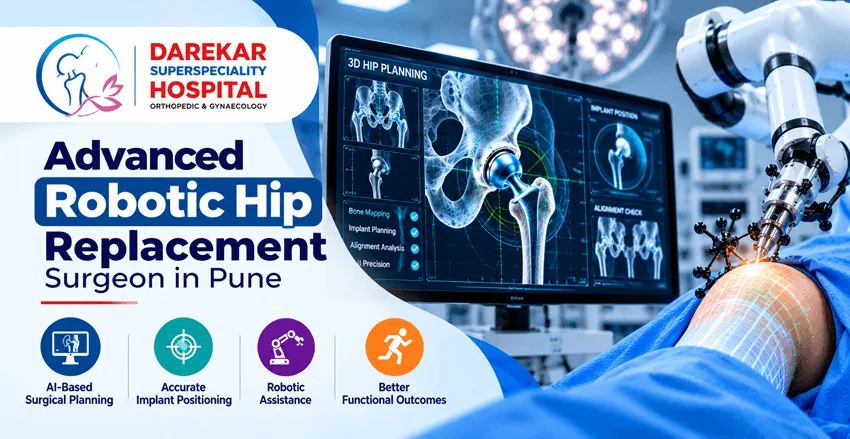
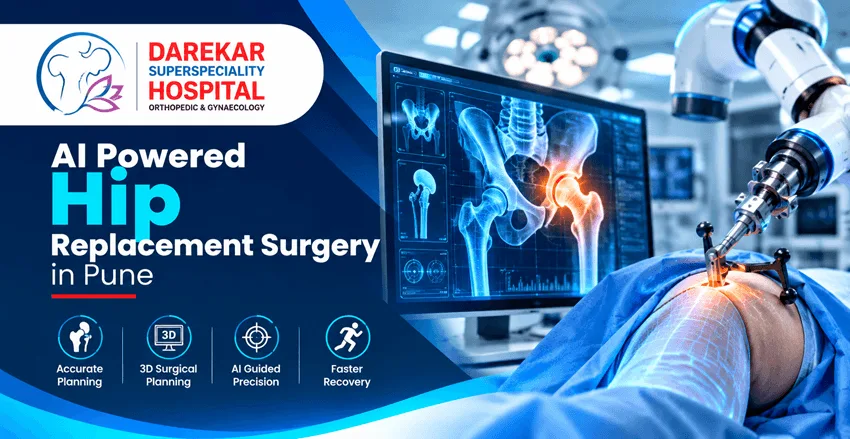
Some robotic-assisted hip replacement systems use preoperative imaging and digital planning to help the surgeon assess implant size and positioning. The specific planning and guidance features vary by system.
A detailed assessment helps determine whether hip replacement is appropriate and whether robotic assistance is suitable.
Who May Need Joint Replacement Surgery?
Joint replacement is generally considered when joint damage significantly affects quality of life and reasonable non-surgical treatments have not provided adequate relief.
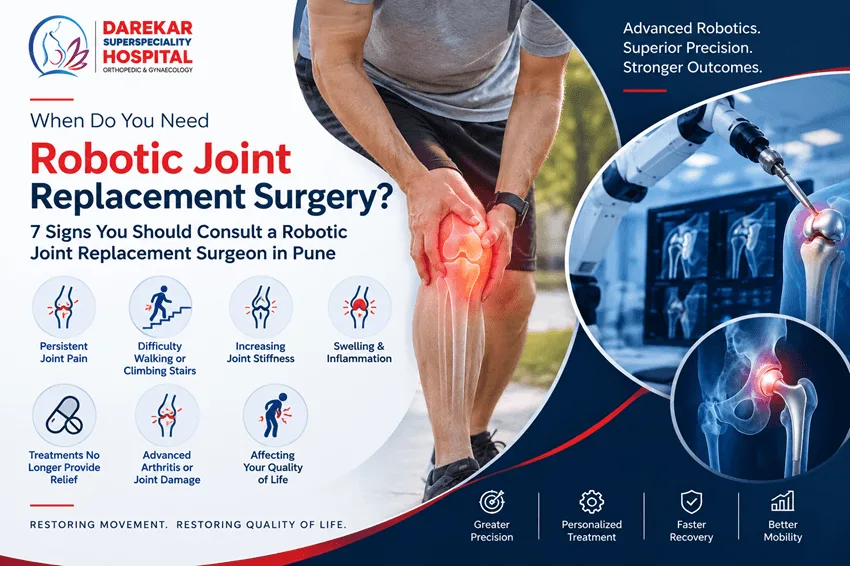
A patient may be evaluated for joint replacement if they experience:
Persistent knee or hip pain that interferes with daily activities.
Stiffness or reduced joint movement.
Difficulty walking, standing, or climbing stairs.
Joint damage associated with osteoarthritis or another diagnosed condition.
Symptoms that continue despite an appropriate trial of non-surgical care.
Reduced independence because of pain and limited mobility.
These symptoms do not automatically mean surgery is necessary. Treatment may include physiotherapy, activity modification, medicines prescribed by a clinician, weight management where appropriate, walking aids, or other suitable options. An orthopaedic surgeon can assess whether surgery is likely to offer meaningful benefit.
Potential Benefits of Advanced Robotic-Assisted Joint Replacement
Robotic-assisted technology may offer several planning and procedural advantages in appropriately selected cases.
Patient-Specific Planning
Certain systems allow the surgeon to review a digital model of the joint and plan implant positioning before surgery. This can help the team prepare for the individual patient's anatomy.
Support for Implant Alignment
Robotic guidance and intraoperative measurements may help the surgeon position implants according to the surgical plan. Evidence indicates that some robotic-assisted systems can improve the precision of implant alignment, although the relationship between alignment and patient-reported outcomes is not always clear.
Additional Measurements and Feedback
Depending on the platform, the surgeon may receive information about joint anatomy, instrument position, or alignment during the procedure. These measurements can supplement the surgeon's experience and judgement.
A Structured Surgical Workflow
Preoperative planning and technology-assisted guidance may help the surgical team organise certain steps of the procedure. The practical effect depends on the technology, the case, and the team's training.
Important: Robotic-assisted surgery does not guarantee a pain-free joint, faster recovery, a longer-lasting implant, or freedom from complications. Outcomes also depend on the patient's health, the severity of joint damage, surgical expertise, implant factors, and rehabilitation.
AI-Assisted Planning vs Robotic-Assisted Surgery
The terms AI-assisted and robotic-assisted are related but not interchangeable.
AI-assisted tools may analyse medical information, support planning, or help clinicians review relevant measurements. Their capabilities depend on the software and the information available.
Robotic-assisted surgery refers to the use of robotic technology to support surgical planning, navigation, measurements, or instrument guidance during a procedure. Some systems use preoperative imaging, while others use different methods to provide guidance.
A system described as robotic-assisted does not necessarily use AI for every function. Patients should ask the surgeon which technology is used, what it does, whether additional imaging is required, and how it may affect their treatment plan.
What Are the Risks and Limitations?
Like conventional joint replacement, robotic-assisted joint replacement is a major surgical procedure and carries potential risks. These may include:
Infection.
Blood clots.
Bleeding or anaesthesia-related complications.
Persistent pain, stiffness, or limited movement.
Implant instability, dislocation in hip replacement, or other implant-related problems.
Differences in leg length after hip replacement.
Bone or soft-tissue injury.
The possible need for additional surgery in the future.
Depending on the robotic platform, additional considerations may include preoperative CT imaging, pin-related complications, longer planning or setup time, technology availability, and additional costs.
Robotic systems also require appropriate training and experience. Technology cannot eliminate every source of surgical risk, and not every patient is suitable for every system. The surgeon should explain the expected benefits, alternatives, risks, and costs before consent.
What Happens Before Joint Replacement Surgery?
A preoperative assessment typically includes a discussion of symptoms, medical history, previous treatments, medicines, allergies, and general health. The surgeon examines the affected joint and reviews appropriate imaging.
If surgery is being considered, the team may discuss:
Whether joint replacement is appropriate.
Whether a total or partial replacement is suitable for the knee, or whether hip replacement is indicated.
The implant options and surgical approach.
Whether robotic assistance or conventional surgery is recommended.
Whether additional imaging or medical investigations are needed.
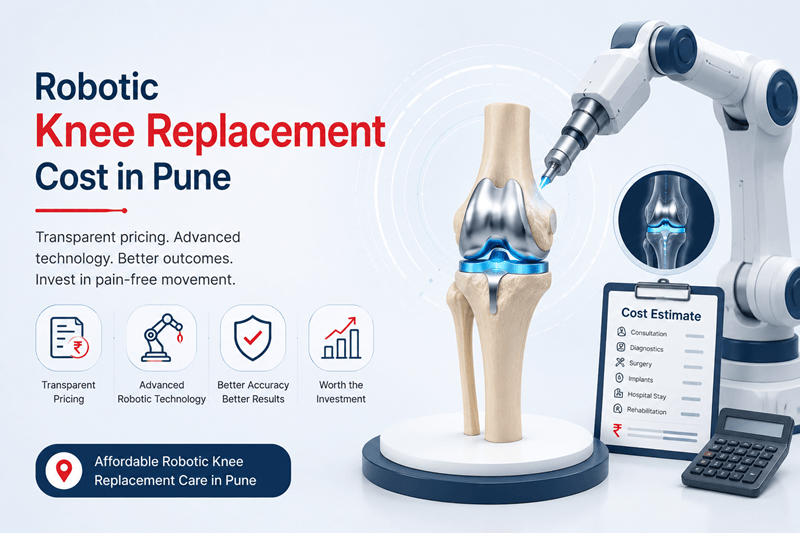
The likely hospital stay, rehabilitation plan, costs, and follow-up arrangements.
Patients should tell their healthcare team about existing medical conditions and all medicines they take. Medication changes should only be made on medical advice.
Recovery After Robotic-Assisted Joint Replacement
Recovery varies from person to person. Age, general health, muscle strength, the joint being replaced, the type of operation, and complications can all influence rehabilitation.
After surgery, the care team provides instructions about pain management, wound care, safe movement, walking aids, exercises, and follow-up appointments. Physiotherapy is often an important part of recovery.
Patients should follow their personalised rehabilitation plan rather than comparing their progress with someone else's experience. Robotic assistance alone does not determine how quickly a person returns to work, driving, walking longer distances, or other daily activities.
Seek prompt medical advice if recovery is accompanied by concerning symptoms such as fever, increasing wound redness or discharge, worsening pain, or new swelling. Sudden breathlessness, chest pain, or other potentially serious symptoms require urgent medical attention.
How to Choose a Joint Replacement Surgeon in Pune
Choosing a joint replacement surgeon involves more than the name of a technology. Patients should consider the surgeon's orthopaedic training and experience, the suitability of the proposed procedure, the hospital's facilities, and the availability of postoperative rehabilitation.
Before making a decision, consider asking:
What is causing my joint pain, and what are my treatment options?
Do I need total or partial knee replacement, hip replacement, or continued non-surgical treatment?
Why do you recommend robotic-assisted or conventional surgery for my case?
What does the specific technology do during my operation?
Will I need additional imaging, and what are the associated costs?
What are the likely risks and realistic recovery expectations?
What rehabilitation and follow-up care will I need?
A clear discussion helps patients make an informed decision based on their condition rather than on technology claims alone.
Why Consult Dr. Mangesh Darekar for Joint Replacement in Pune?
Patients seeking an orthopaedic consultation in Pune can enquire at Darekar Superspeciality Hospital and Robotic Joint Replacement Centre about knee and hip joint replacement assessment.
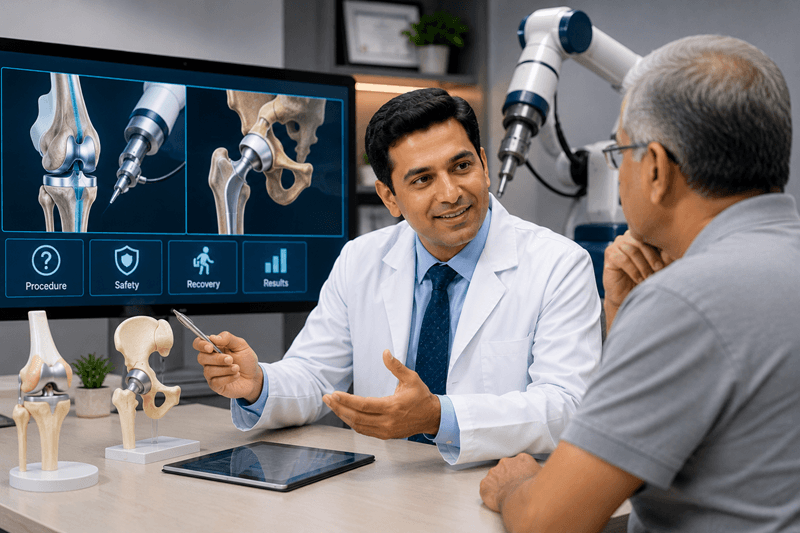
Dr. Mangesh Darekar and the hospital team can be contacted to discuss symptoms, available evaluation options, and whether joint replacement should be considered. During a consultation, patients should ask about the recommended procedure, the role of any robotic or computer-assisted technology, the risks and benefits relevant to their case, and the rehabilitation plan.
The most appropriate treatment depends on an individual clinical assessment. Patients should receive a clear explanation of the proposed approach and available alternatives before deciding on surgery.
Hospital: Darekar Superspeciality Hospital and Robotic Joint Replacement Centre
Address: 2nd Floor, Shivpushpa Landmark, Sinhagad Road, Sun City Road, above Bharti Bazaar, Pune, Maharashtra 411041
Phone: +91 97669 55988
Website: https://www.roboticjointreplacementpune.com/
Conclusion
Advanced AI robotic joint replacement combines orthopaedic expertise with technology that may support digital planning, measurements, navigation, and instrument guidance during selected knee and hip replacement procedures. These tools can help the surgeon plan for individual anatomy, but they do not replace clinical judgement or guarantee superior results.
For people living with persistent knee or hip pain in Pune, the first step is a proper orthopaedic evaluation. Understanding the diagnosis, comparing suitable treatment options, discussing the specific technology available, and following a personalised rehabilitation plan are all important parts of informed joint replacement care.
Medical disclaimer: This article is for general educational purposes only and does not replace a consultation with a qualified healthcare professional. Treatment suitability, surgical technique, risks, and expected outcomes must be assessed individually.




.png)
.jpg)