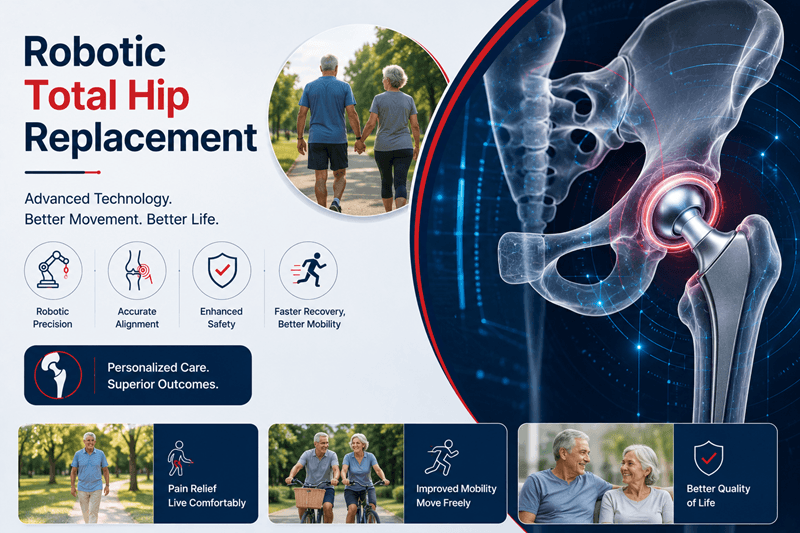
Robotic Total Hip Replacement: Precision-Driven Hip Care
Hip pain can significantly affect your quality of life, making everyday activities such as walking, climbing stairs, and even sitting uncomfortable. When conservative treatments fail to provide relief, Total Hip Replacement may become the most effective solution. With advancements in medical technology, Robotic Total Hip Replacement has emerged as a highly precise and innovative approach to hip replacement surgery.
What is Robotic Total Hip Replacement?
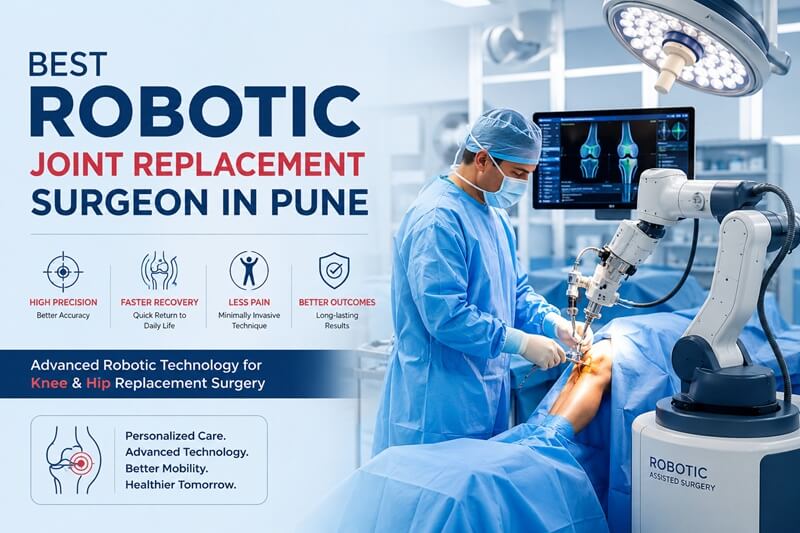
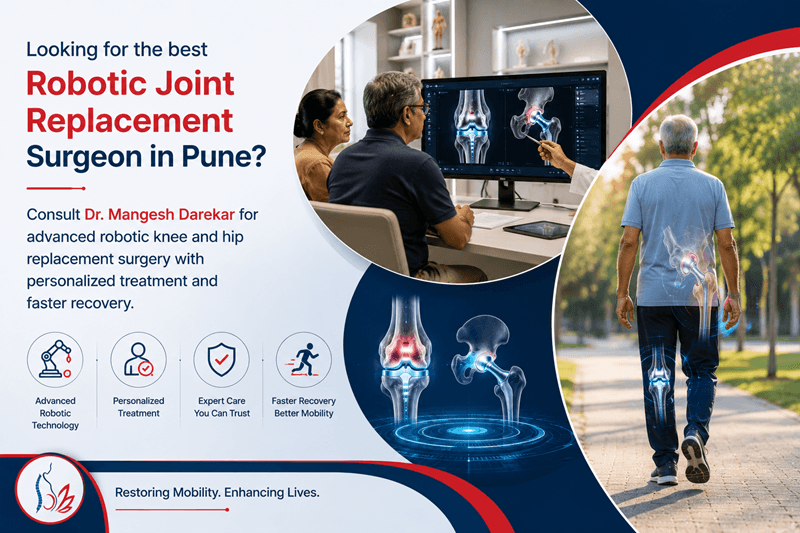
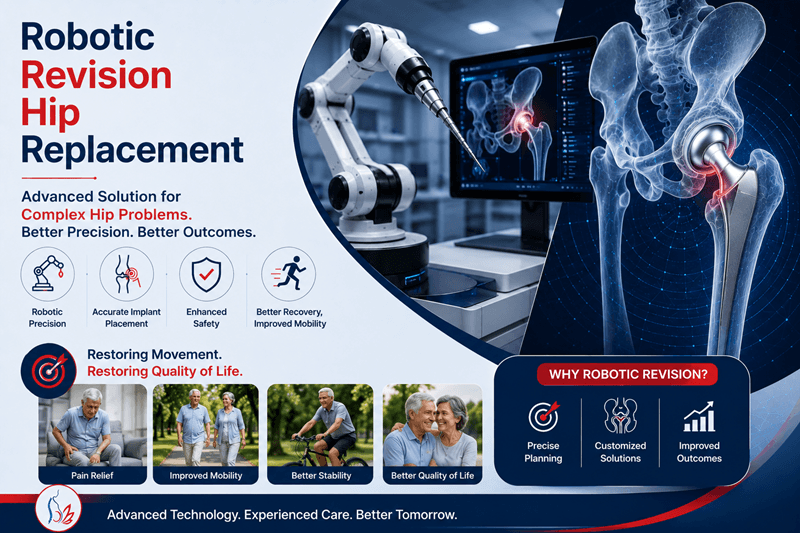
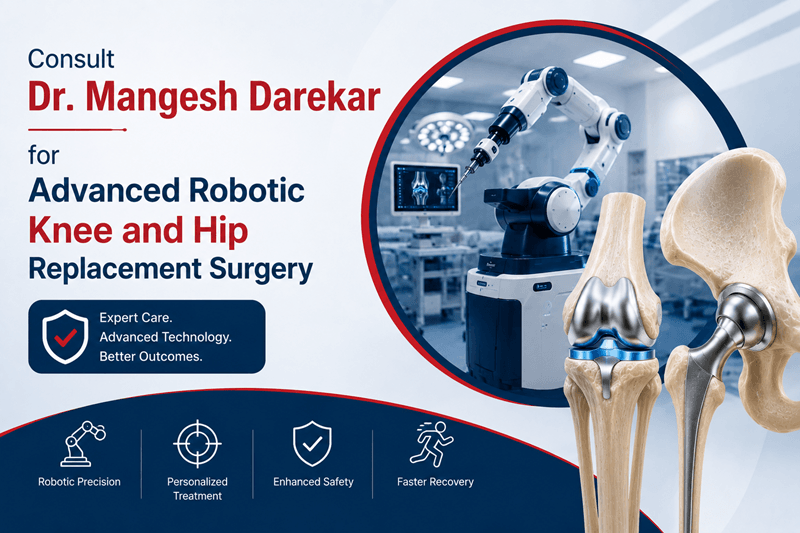
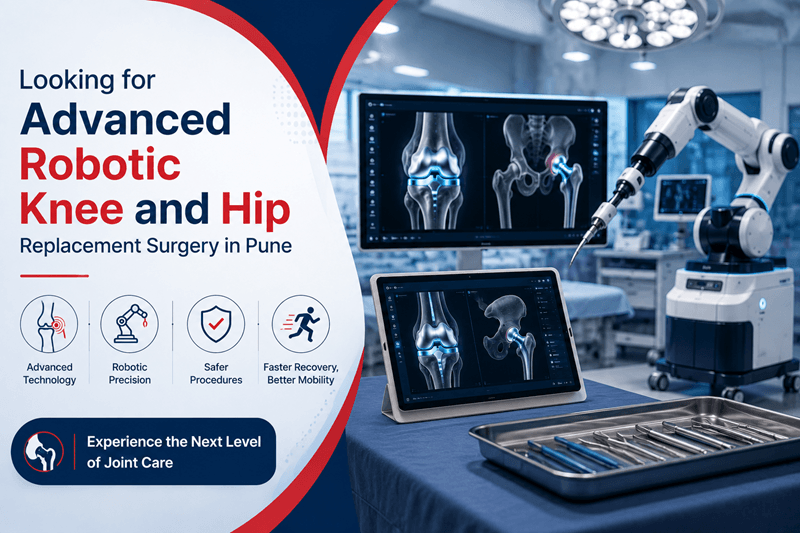
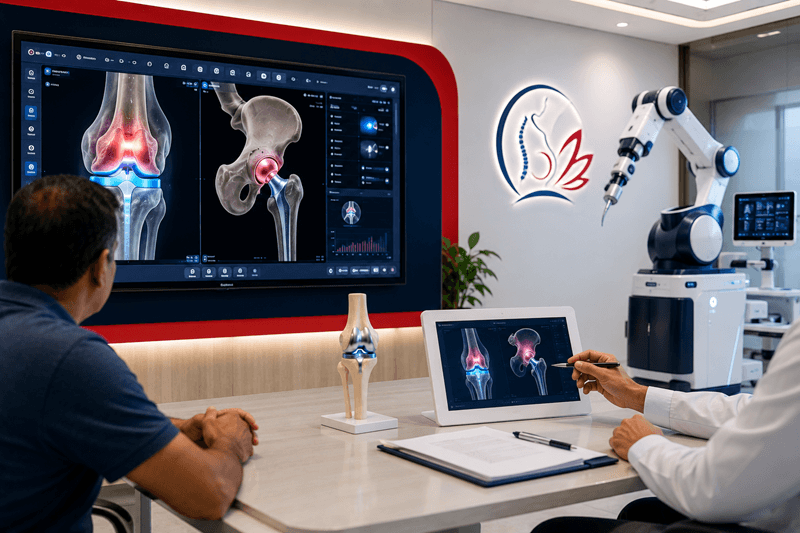
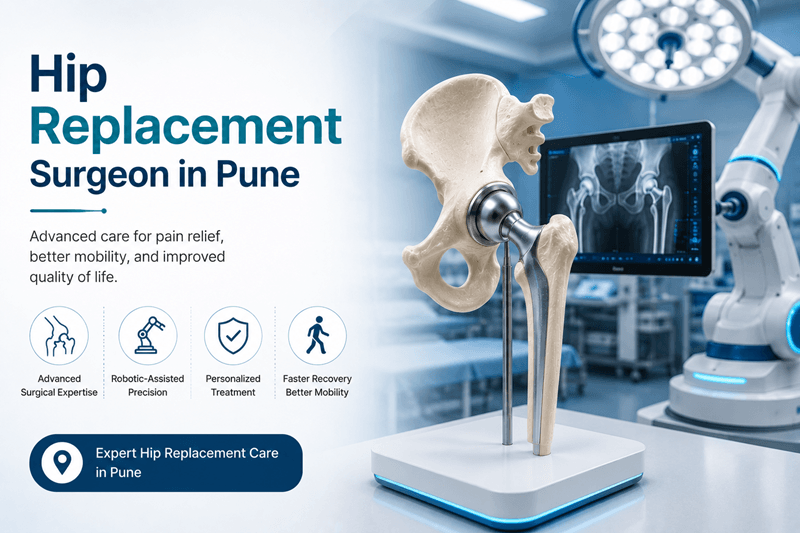
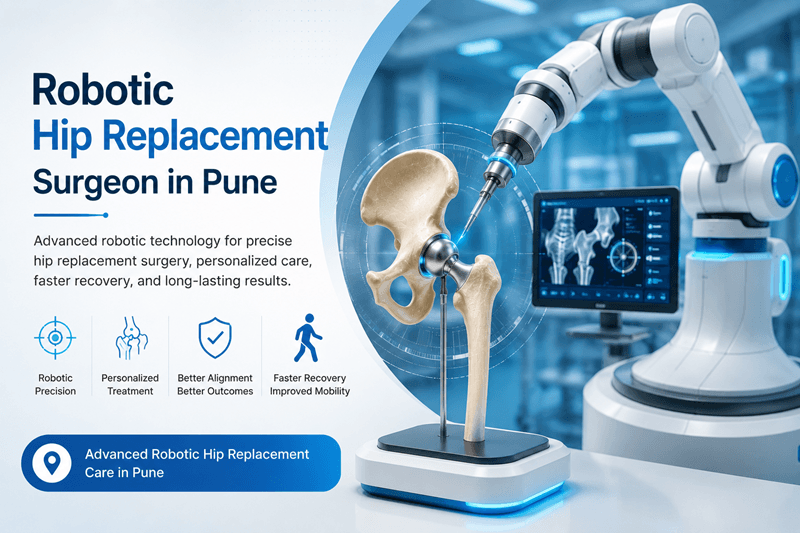
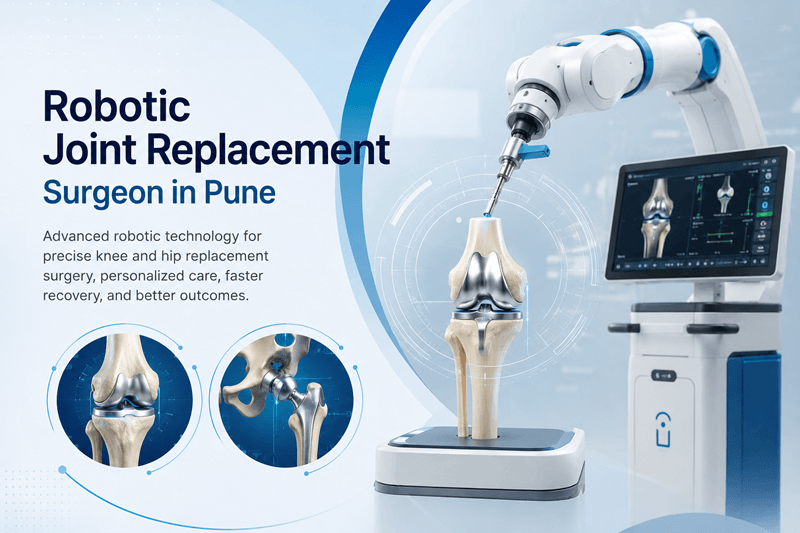
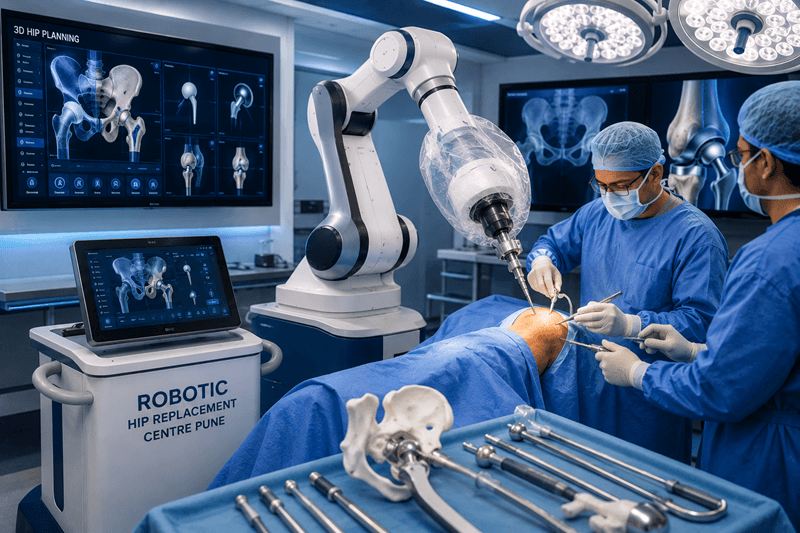
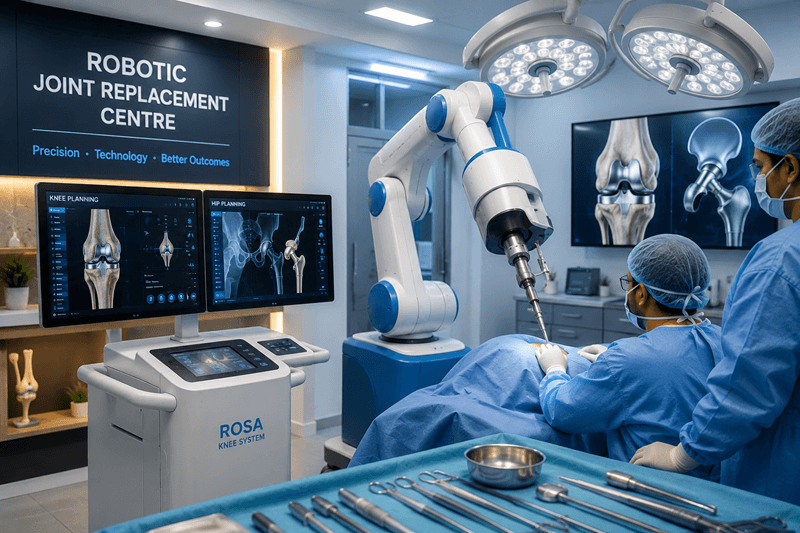
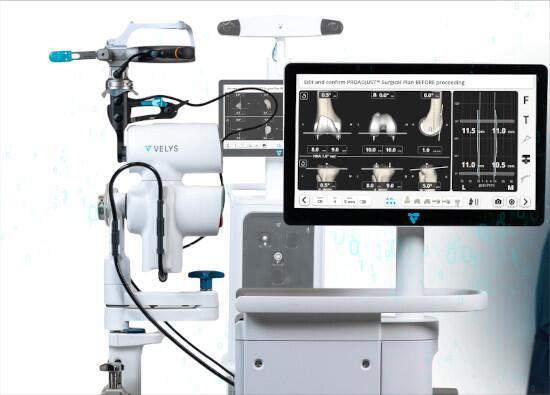
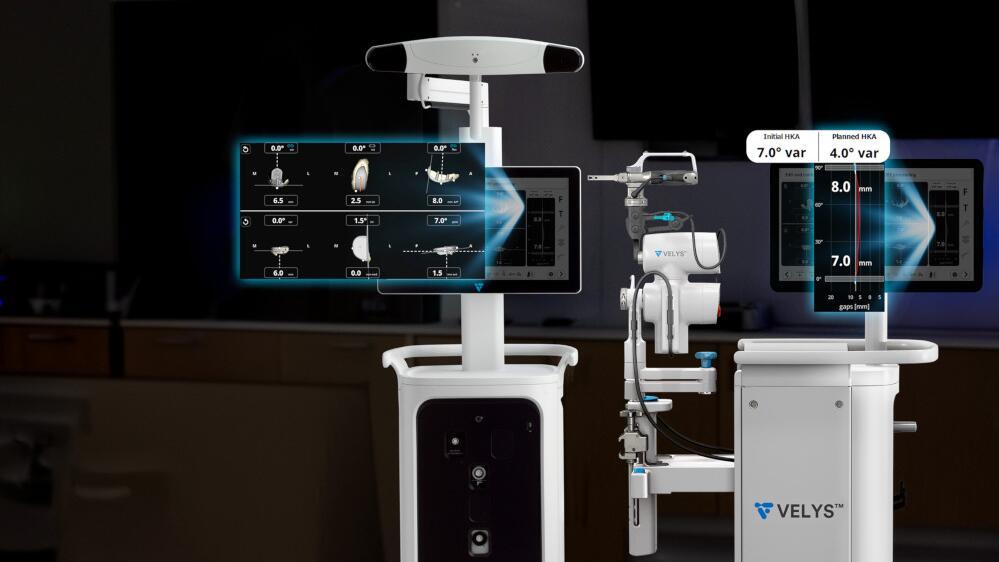
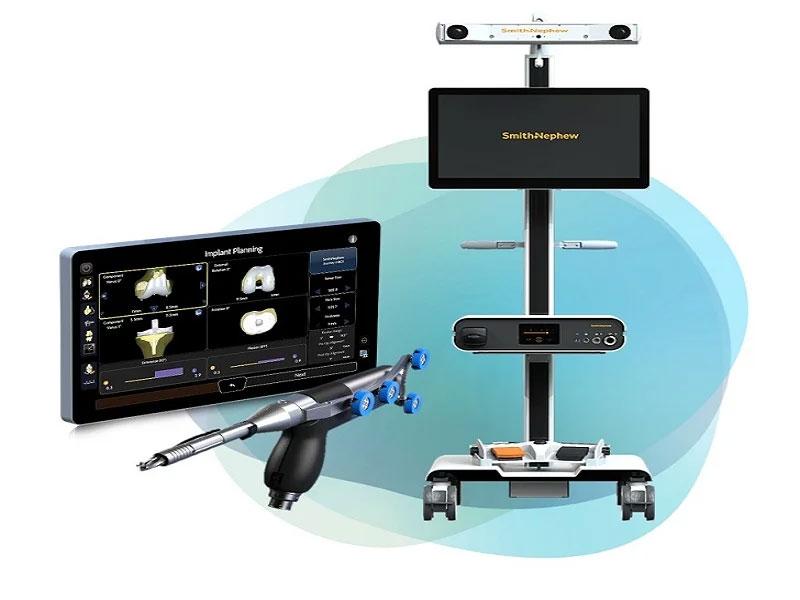
Robotic Total Hip Replacement is a technologically advanced procedure that assists orthopedic surgeons in replacing a damaged hip joint with artificial components using robotic guidance. The robotic system helps create a personalized surgical plan based on the patient's anatomy and provides real-time feedback during surgery to ensure optimal implant placement.
The procedure combines the expertise of an experienced orthopedic surgeon with the accuracy of robotic technology, leading to improved outcomes and greater patient satisfaction.
Conditions That May Require Hip Replacement
Patients suffering from the following conditions may benefit from Robotic Total Hip Replacement:
- Osteoarthritis of the hip
- Rheumatoid arthritis
- Hip joint degeneration
- Avascular necrosis
- Hip fractures
- Post-traumatic arthritis
- Chronic hip pain affecting daily activities
Benefits of Robotic Total Hip Replacement
Robotic-assisted hip replacement offers several advantages compared to traditional techniques:
- Enhanced surgical precision
- Accurate implant positioning
- Personalized surgical planning
- Reduced risk of implant misalignment
- Better joint stability
- Improved range of motion
- Faster recovery and rehabilitation
- Reduced postoperative discomfort
- Greater implant longevity
How the Procedure Works
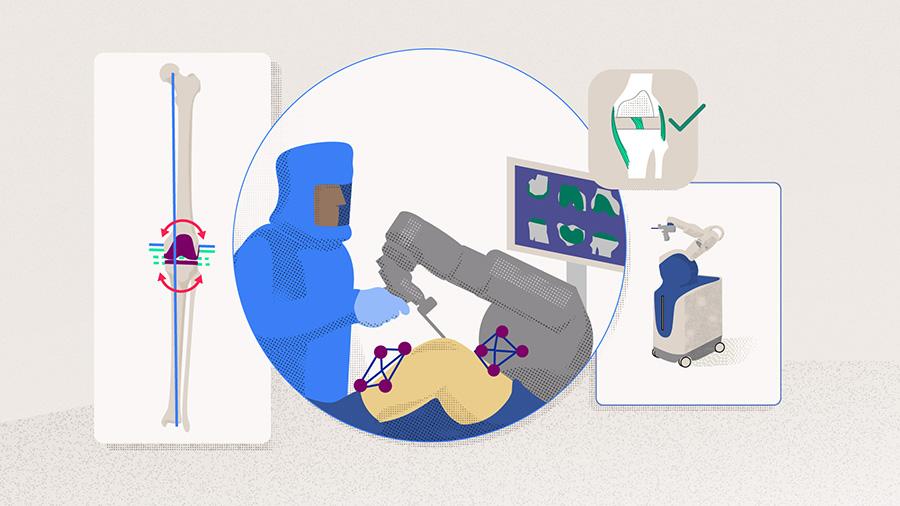
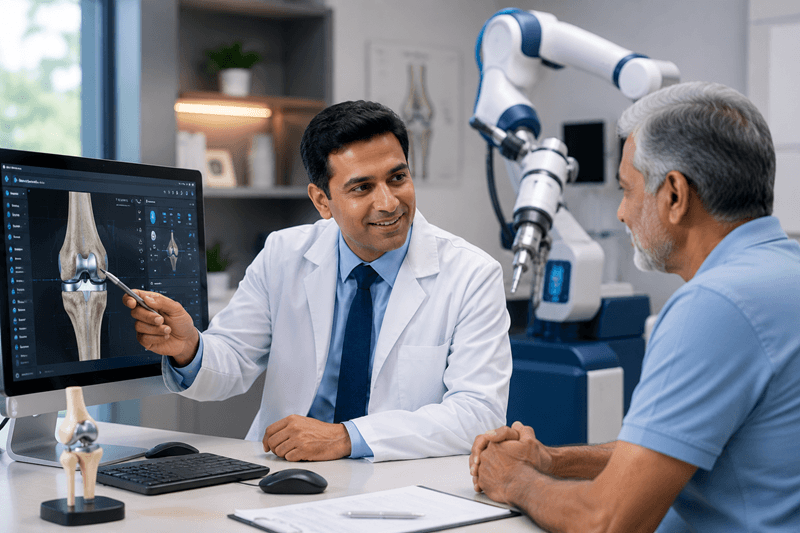
The process begins with advanced imaging and digital planning. A detailed 3D model of the patient's hip is created, allowing the surgeon to plan the surgery with exceptional accuracy.
During the operation:
- The damaged portions of the hip joint are removed.
- The robotic system assists in preparing the bone.
- Artificial implants are positioned according to the preoperative plan.
- Real-time robotic guidance ensures accuracy throughout the procedure.
- The surgeon verifies stability, alignment, and movement before completing the surgery.
Recovery After Robotic Hip Replacement
Recovery varies from patient to patient, but most individuals experience significant improvement within a few weeks. Physical therapy plays a crucial role in restoring strength, flexibility, and mobility.
Typical recovery milestones include:
- Standing and walking with assistance shortly after surgery
- Gradual return to daily activities
- Improved mobility within several weeks
- Continued strengthening through rehabilitation exercises
- Long-term improvement in comfort and function
Following your surgeon's recommendations is essential for achieving the best possible outcome.
Why Choose Robotic Technology for Hip Replacement?
Traditional hip replacement surgery has been highly successful for many years. However, robotic assistance introduces an additional level of precision that can help optimize implant placement and alignment. Proper implant positioning is a key factor in joint function, stability, and long-term success.
By combining advanced technology with surgical expertise, robotic hip replacement aims to deliver more predictable and personalized results.
Who is a Good Candidate?
You may be a suitable candidate for Robotic Total Hip Replacement if you:
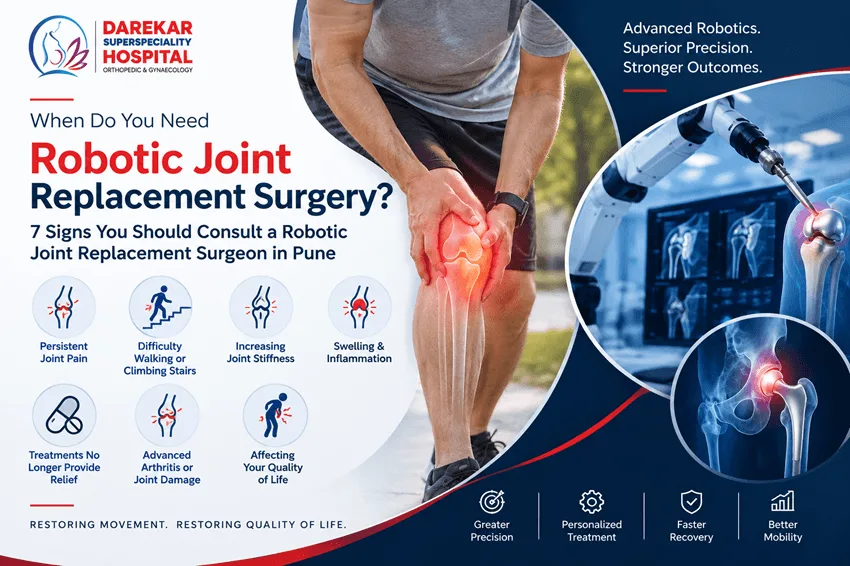
- Experience persistent hip pain
- Have limited mobility due to hip joint damage
- Do not respond adequately to medications or physical therapy
- Have advanced arthritis of the hip
- Wish to improve your quality of life and activity level
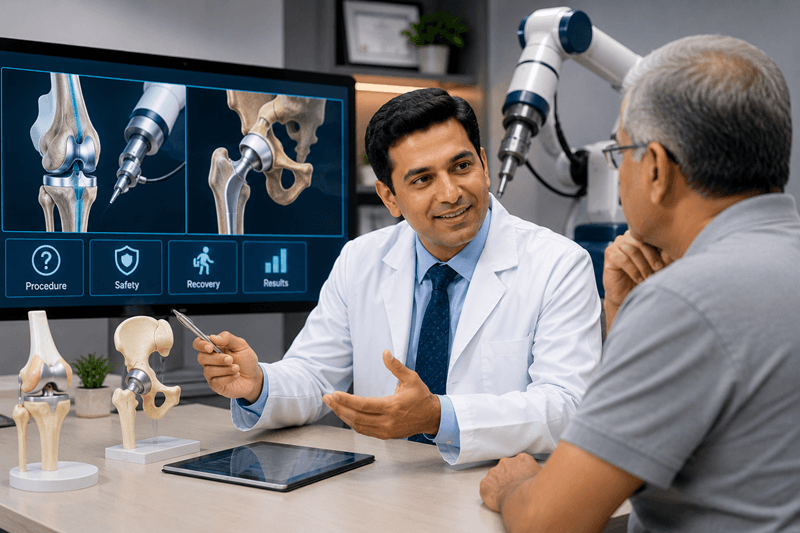
A comprehensive orthopedic evaluation is necessary to determine the most appropriate treatment option for your condition.
Conclusion
Robotic Total Hip Replacement represents a major advancement in orthopedic surgery. By utilizing robotic technology to assist with surgical planning and implant placement, patients can benefit from enhanced precision, improved joint function, and a smoother recovery experience. If chronic hip pain is limiting your daily activities, consulting an orthopedic specialist can help determine whether robotic-assisted hip replacement is the right solution for you.


.png)
.jpg)